

In this guide
- Mites, lice and parasites in backyard chickens
- Signs that need investigation
- How parasites reach a flock
- Prevention: housing, bedding and daily checks
- Dust baths and normal feather care
- Scaly-leg mites
- Checking for red mites
- Internal parasites and testing
- Treatment and Australian product directions
- When to seek veterinary help
Mites, lice and parasites in backyard chickens
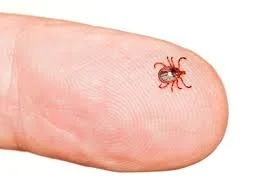
External parasites live on birds or in their housing, while internal parasites affect the body. Red mites, poultry lice, scaly-leg mites and worms are different problems and require different responses. A poultry-experienced veterinarian can help identify the cause before a product is chosen.
Signs that need investigation
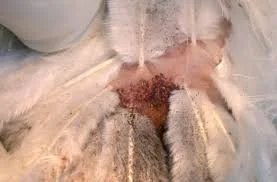
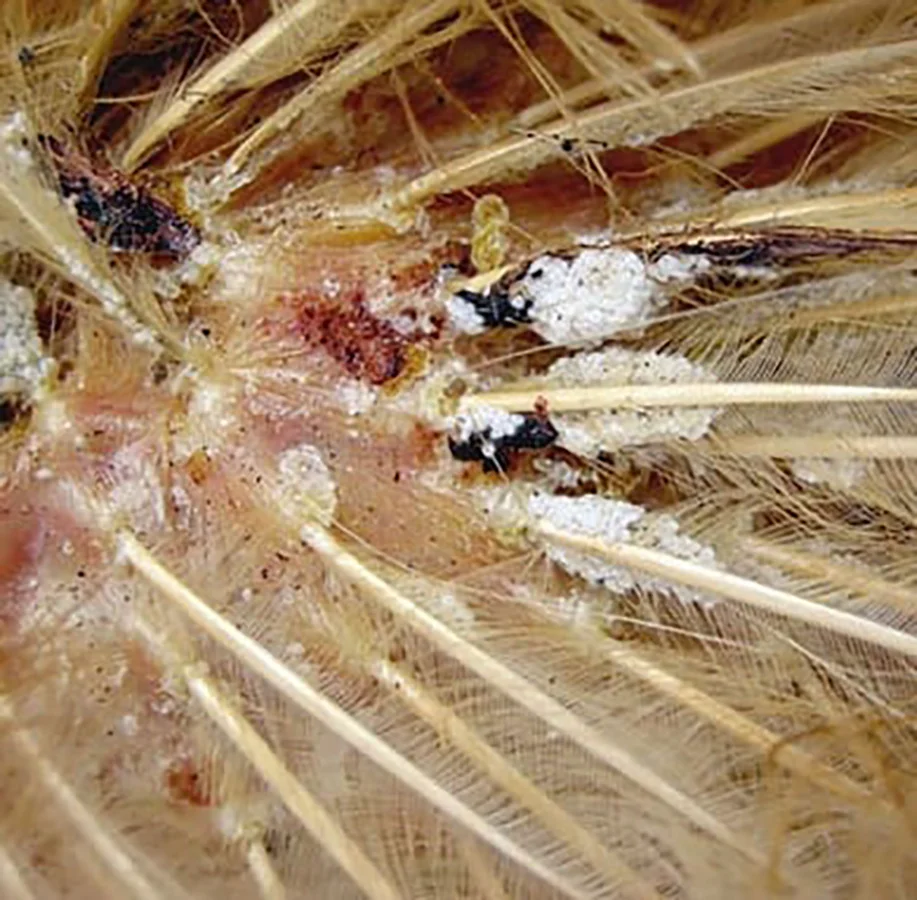
Watch for repeated scratching, damaged feathers, poor condition, pale combs, reduced laying or changed droppings. Examine birds gently and inspect housing crevices. These signs do not prove a parasite infestation: illness, diet and injuries can look similar.
How parasites reach a flock
New arrivals, shared equipment, contaminated surroundings and contact with wild birds can introduce parasites. Some internal worms involve insects or other intermediate hosts. A tidy run reduces exposure but cannot make a flock parasite-proof.
Prevention: housing, bedding and daily checks
Keep feed and water protected, remove damp bedding and inspect perches, joins and nest areas. Review new-bird quarantine and treatment history with your vet. Clean tools before moving them between enclosures, and monitor the whole flock rather than only the visibly affected bird.
Dust baths and normal feather care
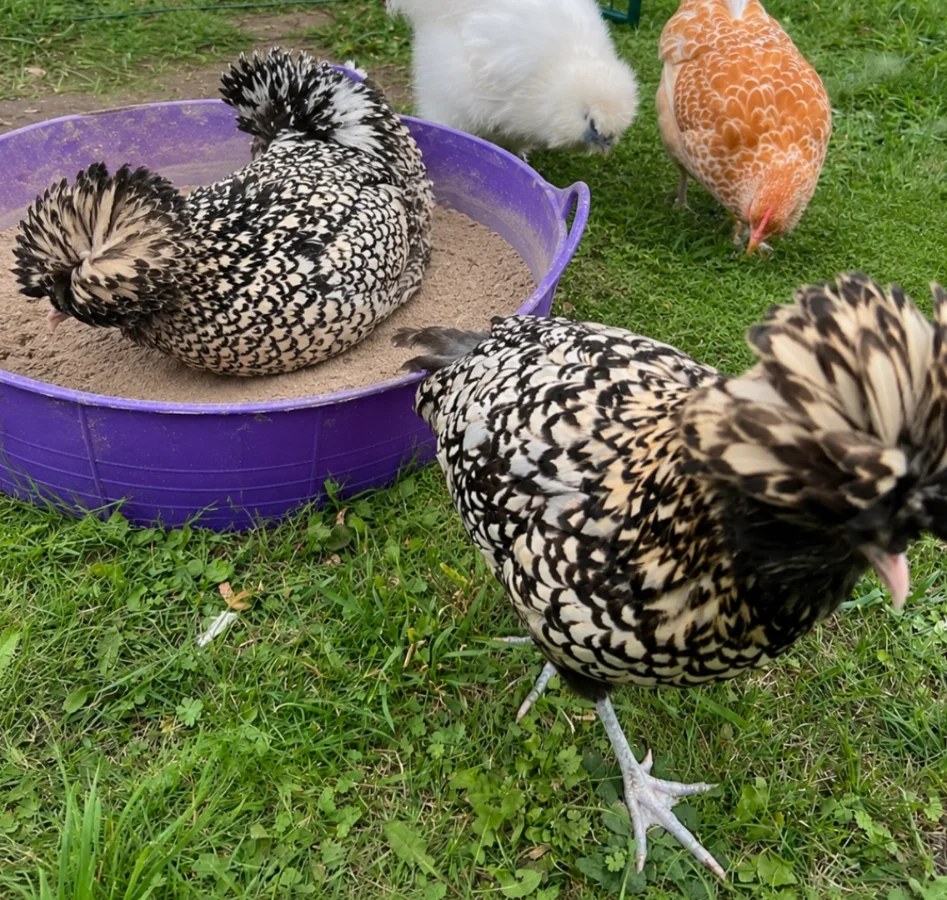
Provide a sheltered area of dry, loose soil or suitable sand. Chickens use dust baths for normal feather care and enrichment. Dust bathing alone will not reliably remove an established infestation. Avoid airborne powders or adding pesticides without an appropriate product label and professional advice.
Scaly-leg mites
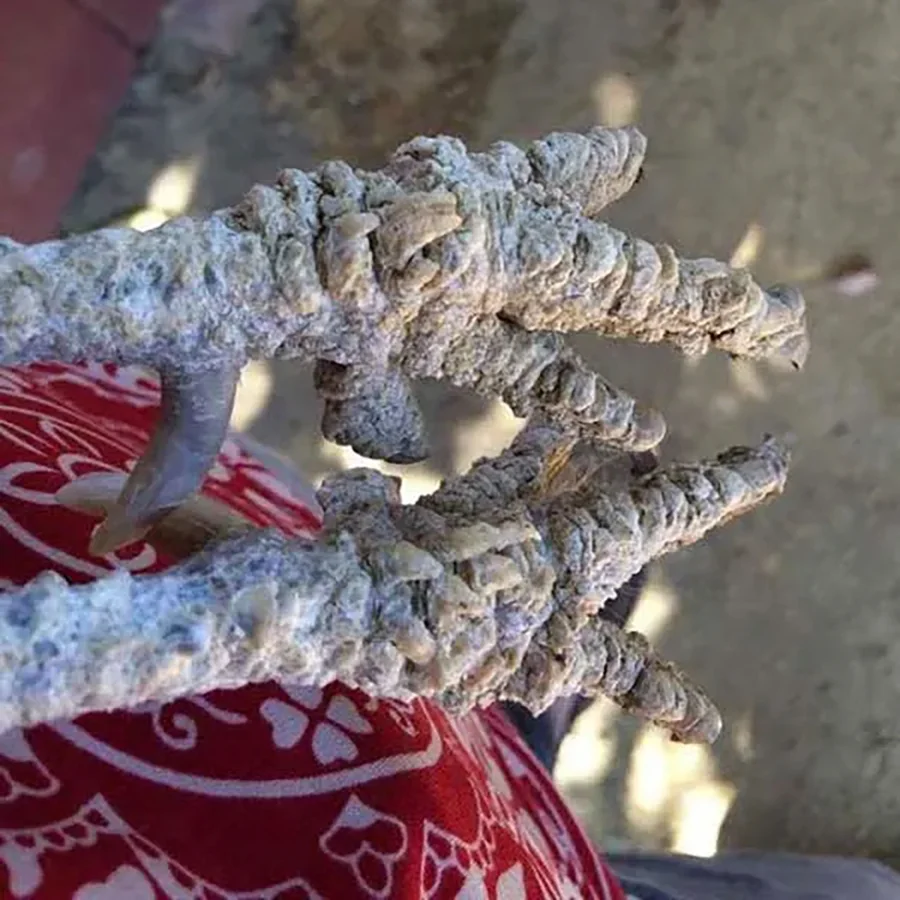
Raised, crusted leg scales can occur with scaly-leg mites, but a vet should check painful, swollen or damaged legs. Do not pull scales away, pick at crusts or use a harsh home treatment. Clean the housing and arrange treatment appropriate to the birds and their condition.
Checking for red mites
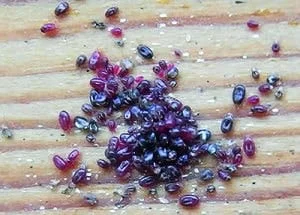
Red mites may hide in housing during the day and feed at night. Inspect joints, perch ends and crevices with a torch, taking care not to stress the birds. Identification matters because not every small insect in a coop is the same parasite.
Internal parasites and testing
Weight loss, diarrhoea or reduced laying have many possible causes. Your vet may recommend testing droppings and reviewing husbandry. There is no single treatment schedule suitable for every Australian backyard flock, and herbs or vinegar should not be relied on to clear a confirmed infection.
Treatment and Australian product directions
Use a veterinary plan that covers the birds and, where relevant, their environment. Check that the product is suitable for chickens of the right age and for laying hens. Follow the Australian label or prescribing veterinarian, including egg and meat withholding periods. Dog, cat and garden products are not interchangeable with poultry medicines.
When to seek veterinary help
Weakness, severe infestation, wounds, breathing difficulty or failure to eat and drink require prompt professional help. Record the signs, birds affected and any products already used. Do not postpone a vet appointment while trying a sequence of unproven remedies.
