
In this guide
Identify the mite before treating
Red mites often hide in housing and feed on birds at night. Other parasites may remain on the bird, and management differs. Ask a poultry-experienced veterinarian to help identify the problem and choose a suitable plan.
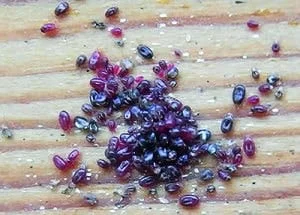
Inspect birds and housing
Look at perch ends, crevices and nesting areas and examine affected birds gently. Pale combs, restlessness, scratching or poor condition are not specific to mites. Breathing difficulty, marked weakness or failure to eat and drink requires prompt help.
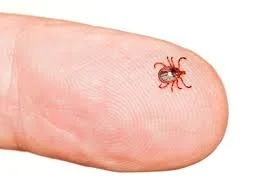
Treat the flock and environment appropriately
Follow a veterinary plan and the Australian directions for an appropriate product. Check whether it is suitable for laying hens and observe egg and meat withholding periods. Do not substitute dog or cat flea products or combine chemicals without advice.
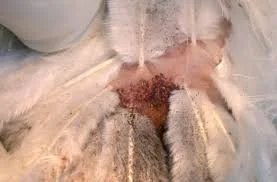
Cleaning supports control
Remove soiled bedding and organic debris and clean accessible surfaces and equipment. Use cleaning and disinfecting products for their labelled purpose, with correct dilution and safe drying time. A general disinfectant does not automatically control every parasite or its eggs.
Dust baths and powders
Provide a sheltered dry dust bath for normal behaviour. Do not rely on diatomaceous earth, herbs or vinegar to eradicate an infestation. Avoid airborne powders and unlabelled applications directly to hens.
Monitor and prevent recurrence
Recheck birds and housing at intervals recommended for the identified parasite and treatment. Keep equipment clean, manage new arrivals with a quarantine plan and investigate recurring problems. No housing material or routine makes a flock permanently mite-proof.
