Good With Most
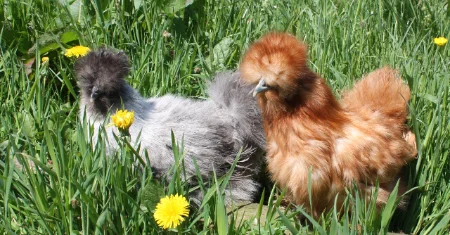
Choose calm companions and introduce hens gradually. Watch for bullying and competition, and give every bird easy access to feed, water, resting places and space to retreat.
Chicken buying guide ›
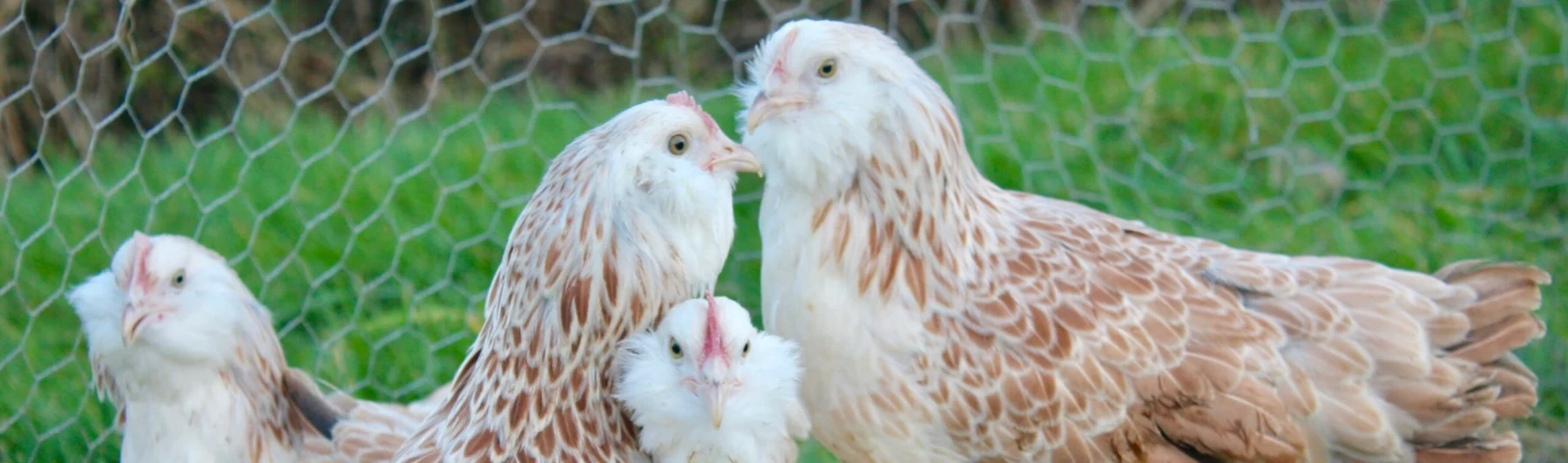
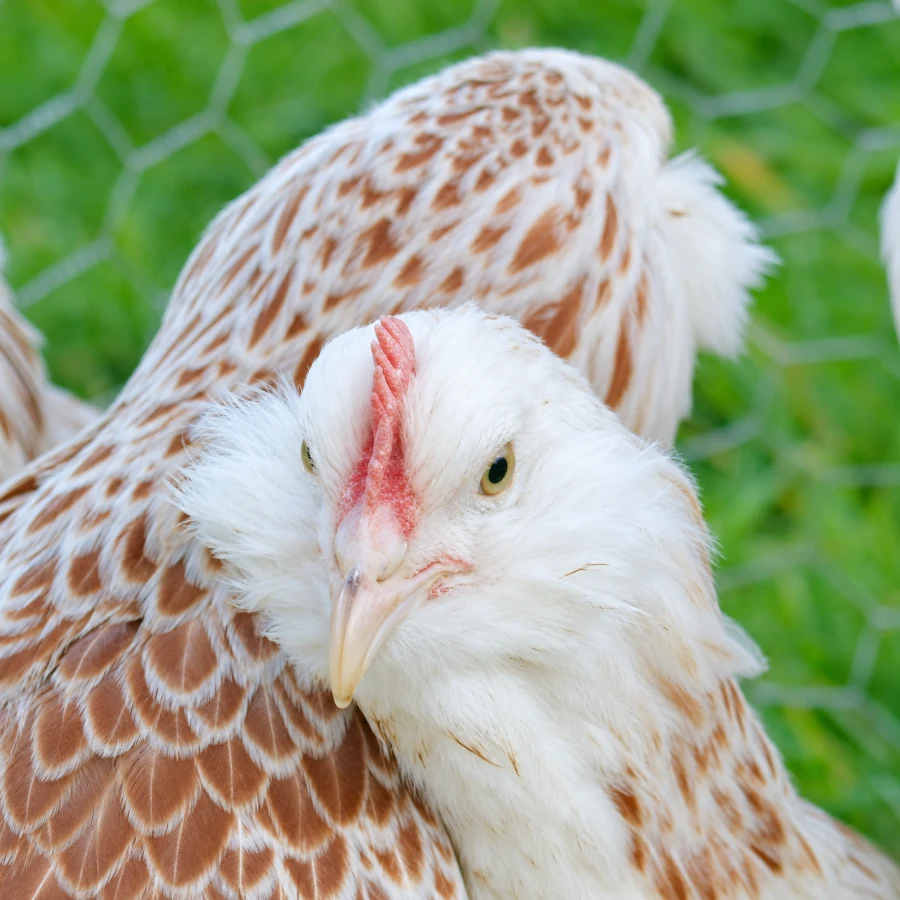
Meet Bantam Faverolles: gentle garden companions with soft salmon plumage and fluffy beards.
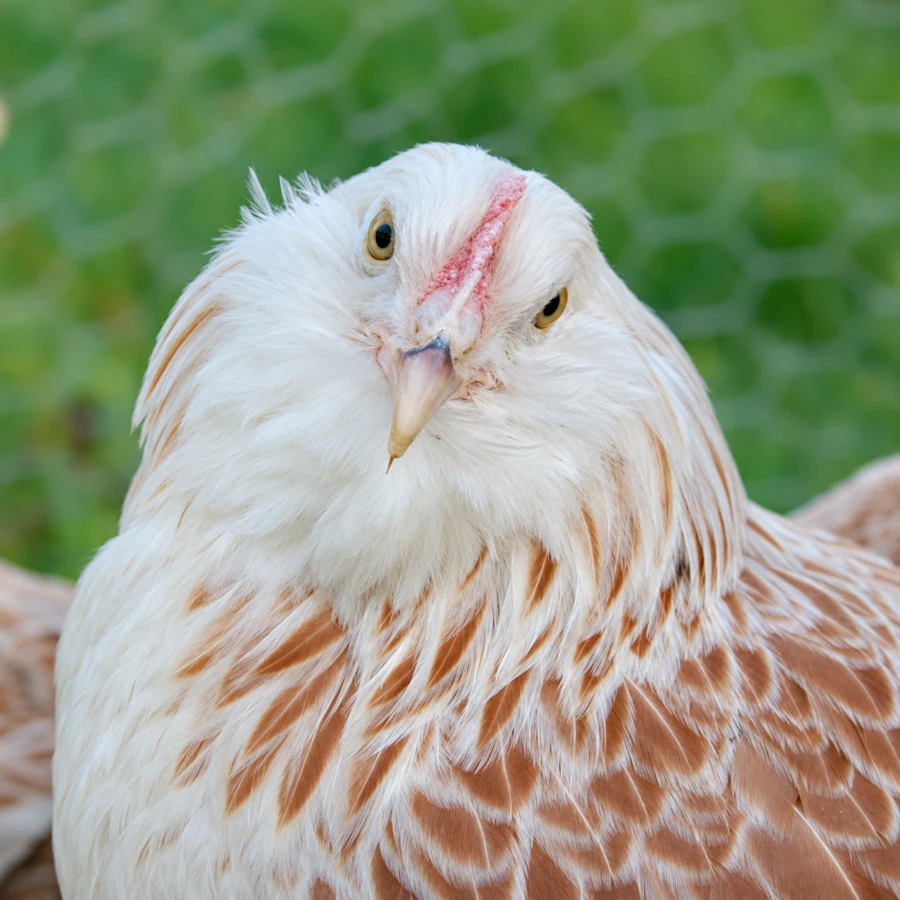
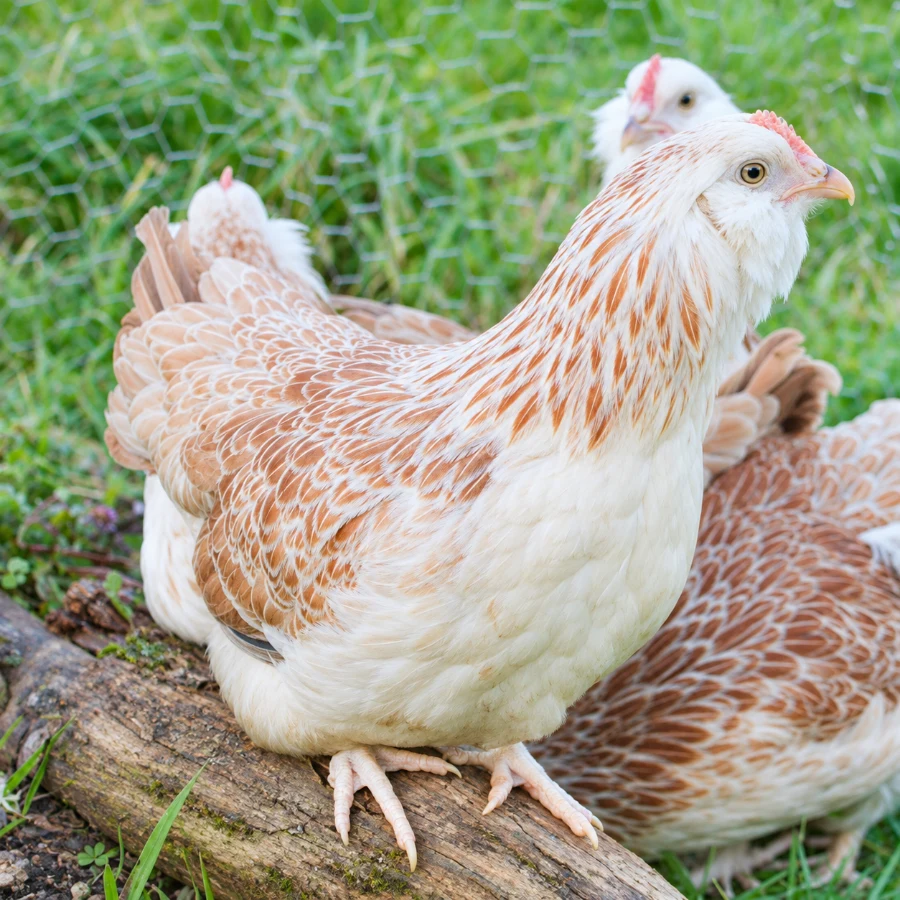
Bantam Faverolles combine a compact body with soft feathering, a distinctive beard and feathered legs. Salmon-coloured hens show warm tones alongside pale cream feathers, giving this small breed its recognisable appearance.
Often described as gentle companions, they can become comfortable around familiar people through patient interaction. Every chicken is different, so build trust gradually and choose flock mates whose size and temperament suit quieter birds.
For Australian gardens, provide secure housing, dry ground, reliable shade and fresh water. Their feathered feet benefit from regular checks, while daily scratching, dust bathing and foraging opportunities help keep a flock occupied.
Choose calm companions and introduce hens gradually. Watch for bullying and competition, and give every bird easy access to feed, water, resting places and space to retreat.
Chicken buying guide ›
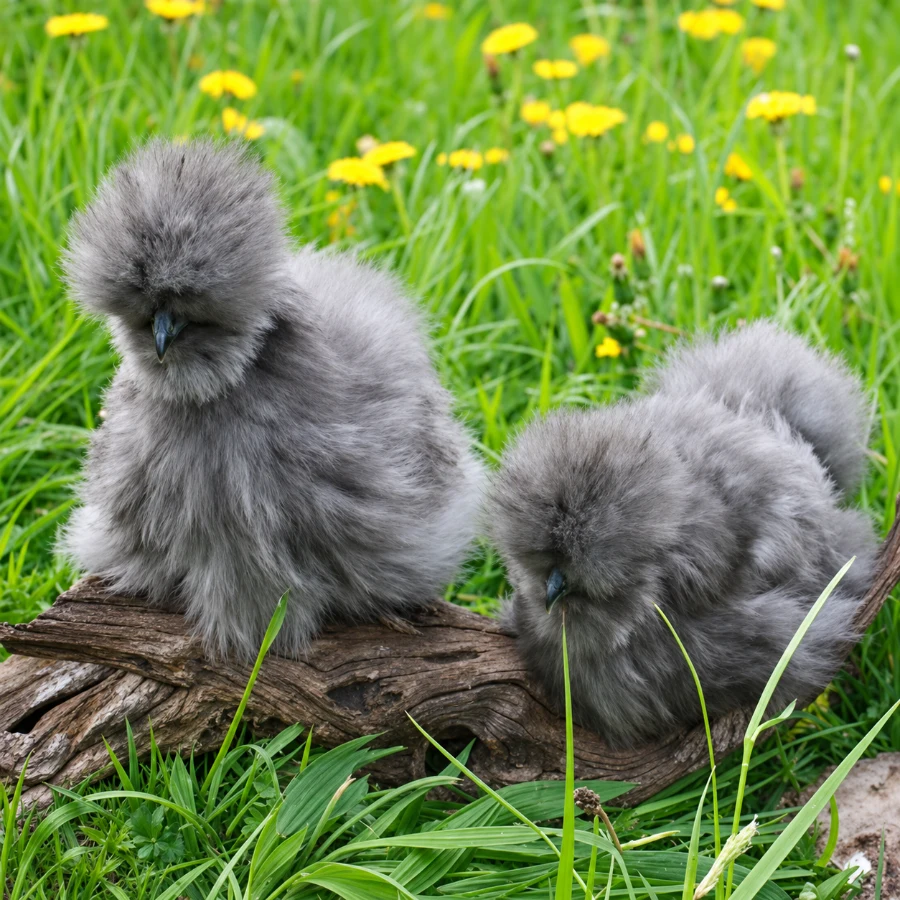
Their gentle reputation can make them enjoyable garden companions. Build confidence patiently, respect individual handling preferences and supervise children around chickens.

An approximate annual laying guide. Small cream eggs may have a pinkish tint; output and shell appearance vary with breeding line, age, season, broodiness and care.
Bantam Faverolles are often quiet, curious birds that enjoy investigating a familiar garden. Their fluffy beards and soft plumage give them a distinctive appearance, but individual confidence and willingness to be handled vary.
Spend time calmly near new birds and keep routines consistent. Gentle, positive contact helps build trust; avoid chasing or forcing a nervous hen to interact. Support the whole body when lifting and supervise children closely.
Monitor flock behaviour rather than relying only on breed labels. Provide several feeding and drinking points and places where quieter hens can move away. Introduce newcomers carefully and check that each bird is eating, drinking and resting normally.
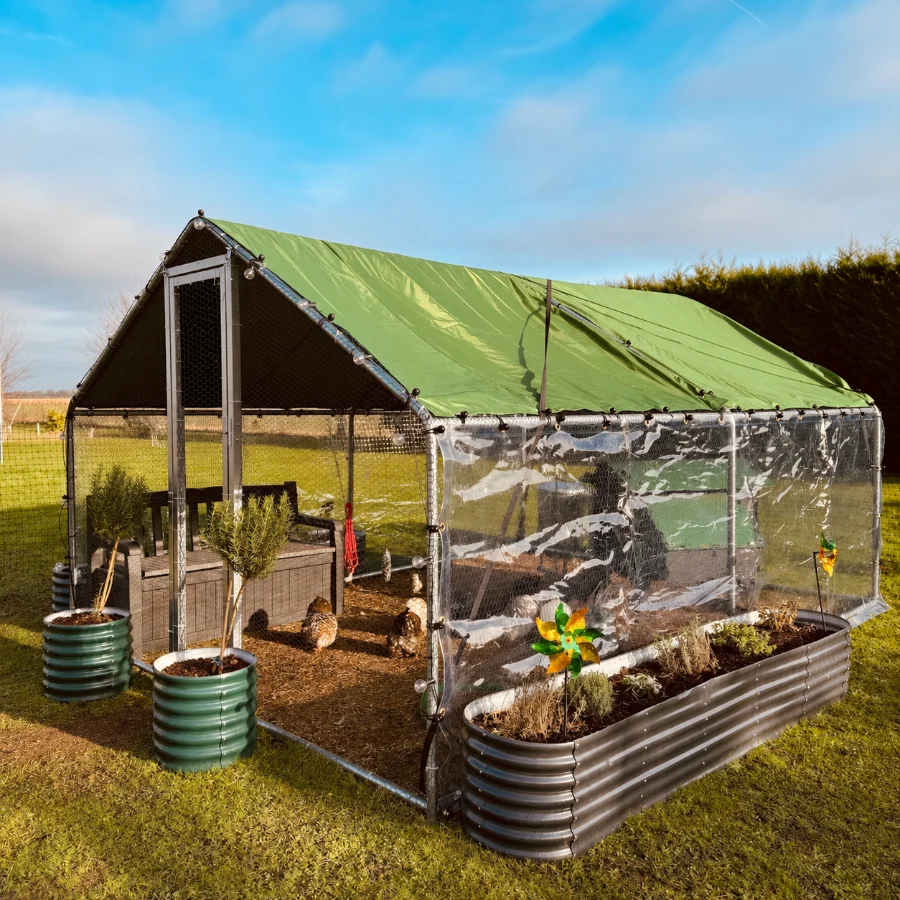
Provide a predator-resistant house and secure run with well-drained footing, clean bedding and shelter from wind and rain. Feathered legs and feet need regular checks for mud, trapped debris and damaged feathers, especially after wet weather.
Offer stable perches, an easy access ramp, a sheltered dust bath and space to scratch and forage. Check fences and overhead protection carefully, and keep feeders and drinkers positioned so that timid hens can reach them without competition.
Australian hot weather calls for dependable shade, good ventilation and plentiful fresh drinking water. Check birds and housing daily, maintain appropriate complete feed and adjust shelter to local conditions. Gentle flock companions and gradual introductions are particularly important for quieter hens.
The Faverolles breed originated in France during the nineteenth century, where the larger birds were developed for farm production. The breed takes its name from the village of Faverolles and became recognised for its beard, feathered legs and five toes.
Bantam Faverolles retain the familiar appearance in a smaller form. Today they are kept as garden companions and exhibition birds as well as for eggs, with salmon among their best-known colours.
Bantam and large Faverolles need housing suited to their own size and flock circumstances. Ask about a bird’s breeding line, age and care history, and plan around Australian weather rather than assuming overseas keeping conditions apply.