Good With Most
Choose calm companions and introduce hens gradually. Watch for bullying and competition, with several feeding and drinking points, accessible resting places and space to retreat.
Chicken buying guide ›
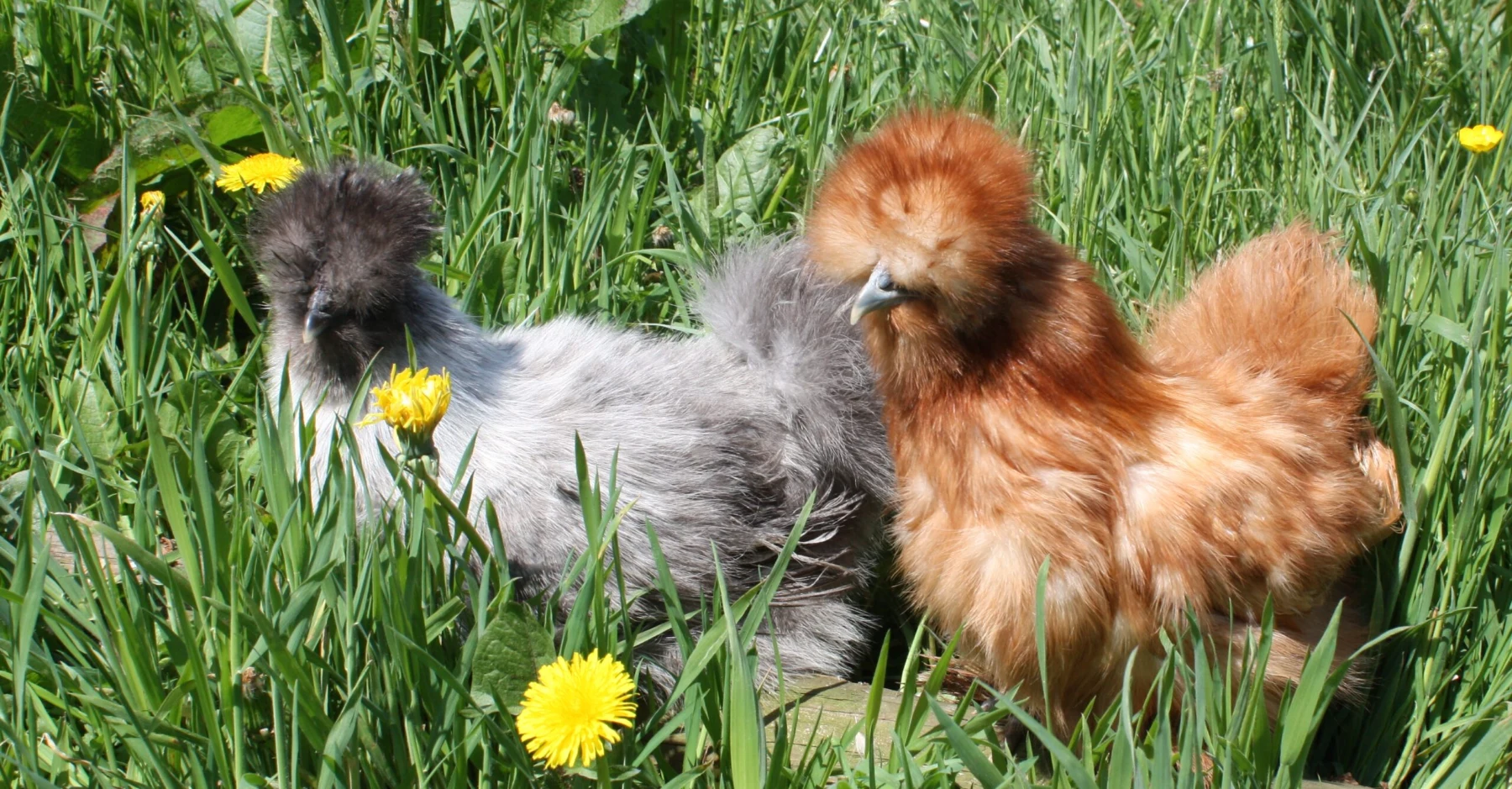
Meet Bearded Silkies: soft plumage, fluffy beards and gentle garden companions.
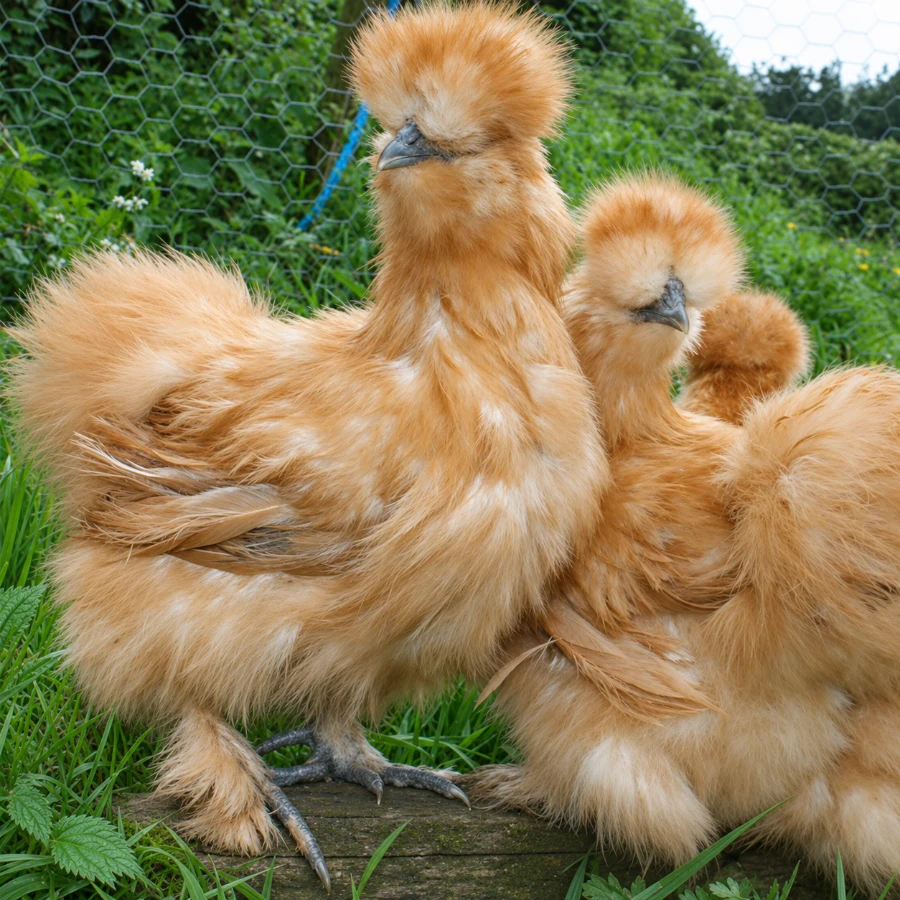
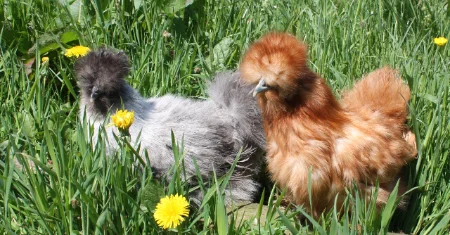
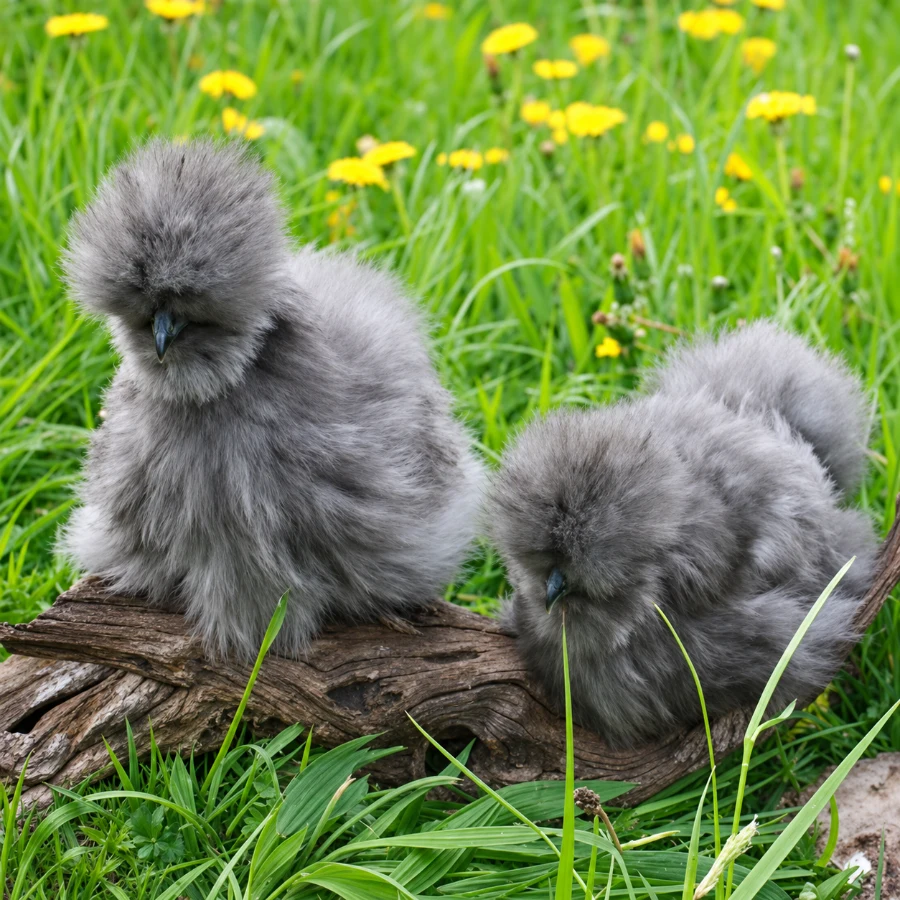
Bearded Silkies combine soft, hair-like feathering with rounded crests and fluffy facial muffs and beards. Their distinctive appearance comes in a range of colours, making them recognisable members of a thoughtfully planned garden flock.
Often regarded as gentle companions, they can become comfortable with familiar people through calm, regular interaction. Individual temperaments vary, so build trust patiently and choose flock mates whose size and confidence suit quieter hens.
For Australian gardens, prioritise secure housing, dry shelter, reliable shade and fresh water. Soft feathering and feathered feet need particular attention in wet weather, while easy access to food, drinkers and resting places helps every bird settle.
Choose calm companions and introduce hens gradually. Watch for bullying and competition, with several feeding and drinking points, accessible resting places and space to retreat.
Chicken buying guide ›
Their gentle reputation can make them enjoyable garden companions. Build trust patiently, respect individual handling preferences and supervise children around chickens.

An approximate annual laying guide. Broodiness can interrupt laying, and output varies with breeding line, age, season, nutrition and individual care.
Bearded Silkies are often quiet, curious birds that enjoy investigating familiar surroundings. Their fluffy facial feathers and soft plumage give them a distinctive appearance, while each hen has her own confidence and handling preferences.
Spend time calmly near new birds and keep routines consistent. Allow nervous hens to approach at their own pace, avoid chasing and support the whole body when lifting. Gentle, supervised interaction is especially important around children.
Silkie hens can become broody, affecting laying and daily behaviour. Keep an eye on each bird’s usual feeding, drinking and activity, and provide a peaceful flock environment with several access points and places for quieter hens to move away.
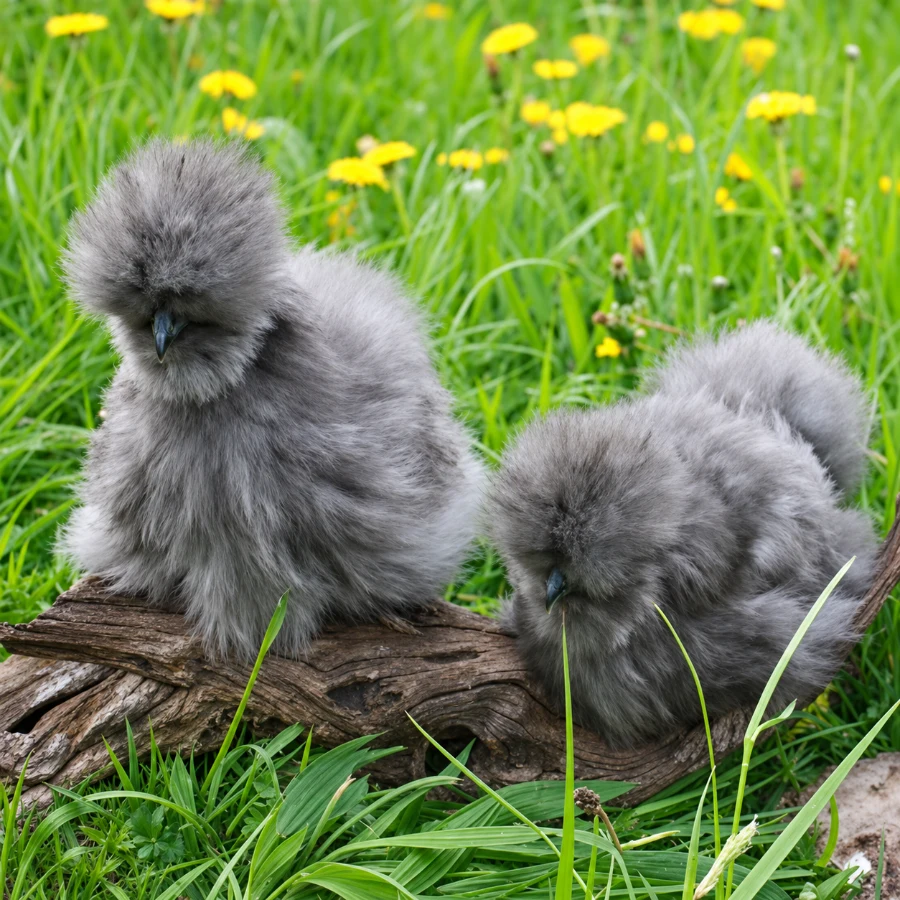
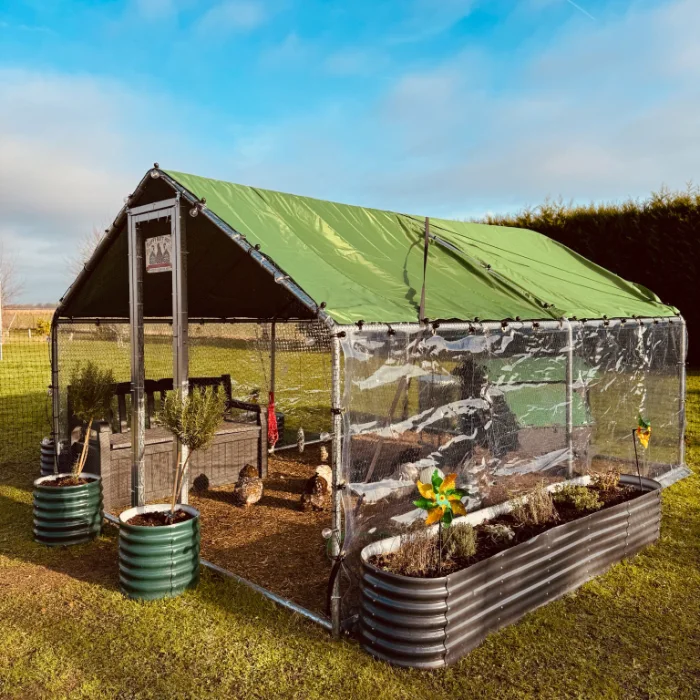
Provide a predator-resistant house and sheltered run with clean, dry bedding and well-drained ground. Soft Silkie feathering needs protection from prolonged rain, and feathered feet should be checked regularly for mud, debris and damaged feathers.
Offer stable, low resting places and gentle ramps suited to each bird’s mobility. Keep food and water within comfortable reach and check that crest and facial feathers are not interfering with normal feeding, drinking or movement. Provide a sheltered dust bath and room to scratch and forage.
Australian summers require dependable shade, good airflow and plentiful fresh drinking water. Maintain shelter from wind and wet weather, feed an appropriate complete ration and check birds and housing daily. Introduce calm companions gradually and monitor competition closely.
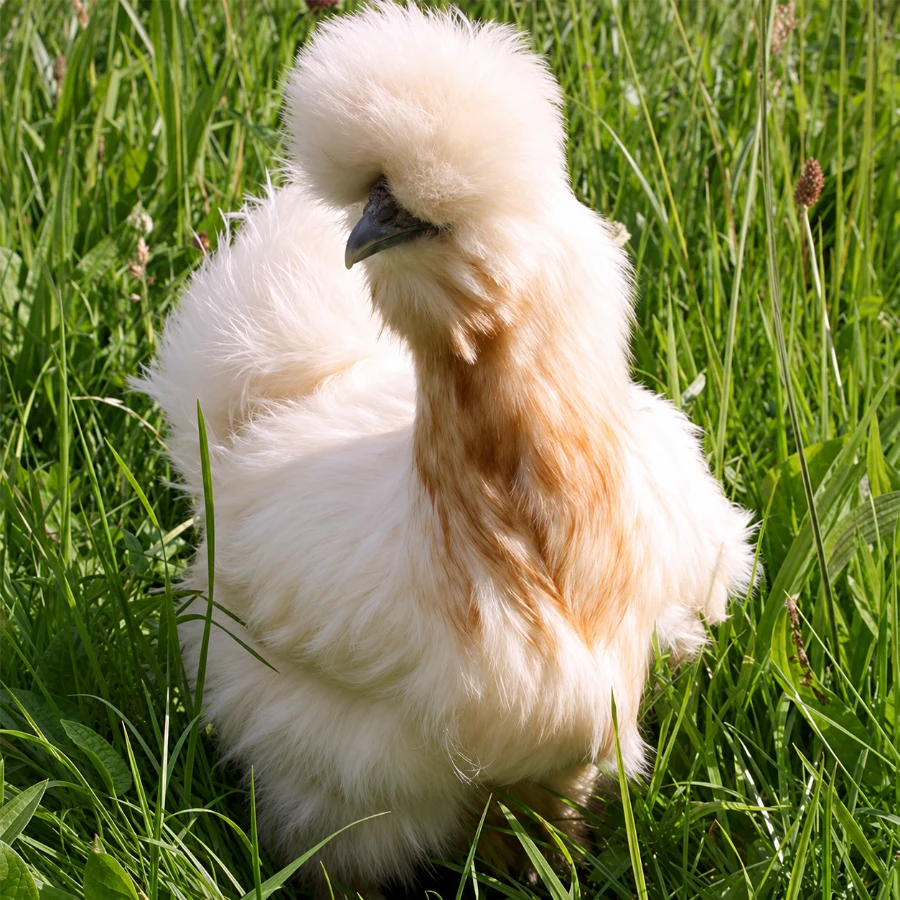
Silkies have a long history in Asian poultry keeping and became widely known for their unusually soft feather structure. Generations of poultry enthusiasts have maintained different colours, sizes and varieties.
Bearded and non-bearded Silkies share the familiar crested outline. The bearded variety has additional facial feathering around the cheeks and beneath the beak, creating the fluffy beard and muffs that distinguish it.
Today Silkies are kept for exhibition, garden companionship and eggs, with broodiness an important consideration for keepers. Ask about each bird’s breeding line, age and care history, and prepare housing for Australian weather and the needs of your own flock.