Good With Most
Choose calm companions and supervise introductions. Provide several feeding and drinking points, resting places and enough room for quieter hens to move away from more assertive birds.
Chicken buying guide ›

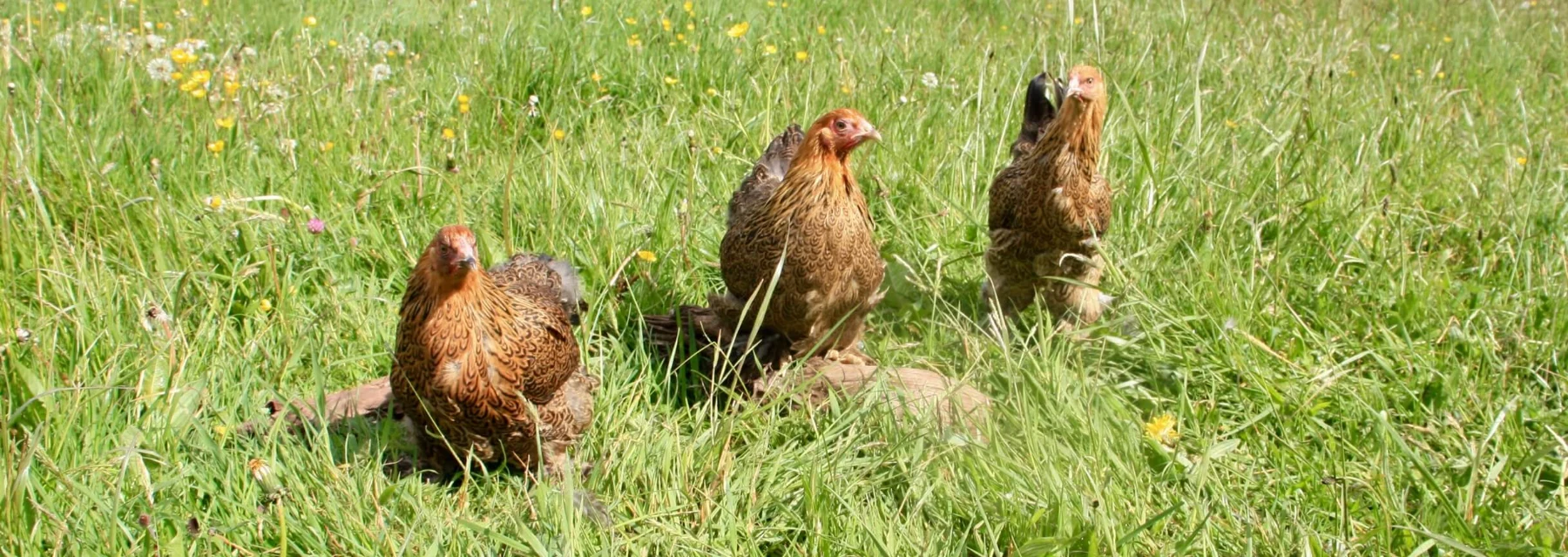
Discover Bantam Brahmas: gentle garden companions with patterned plumage and feathered feet.
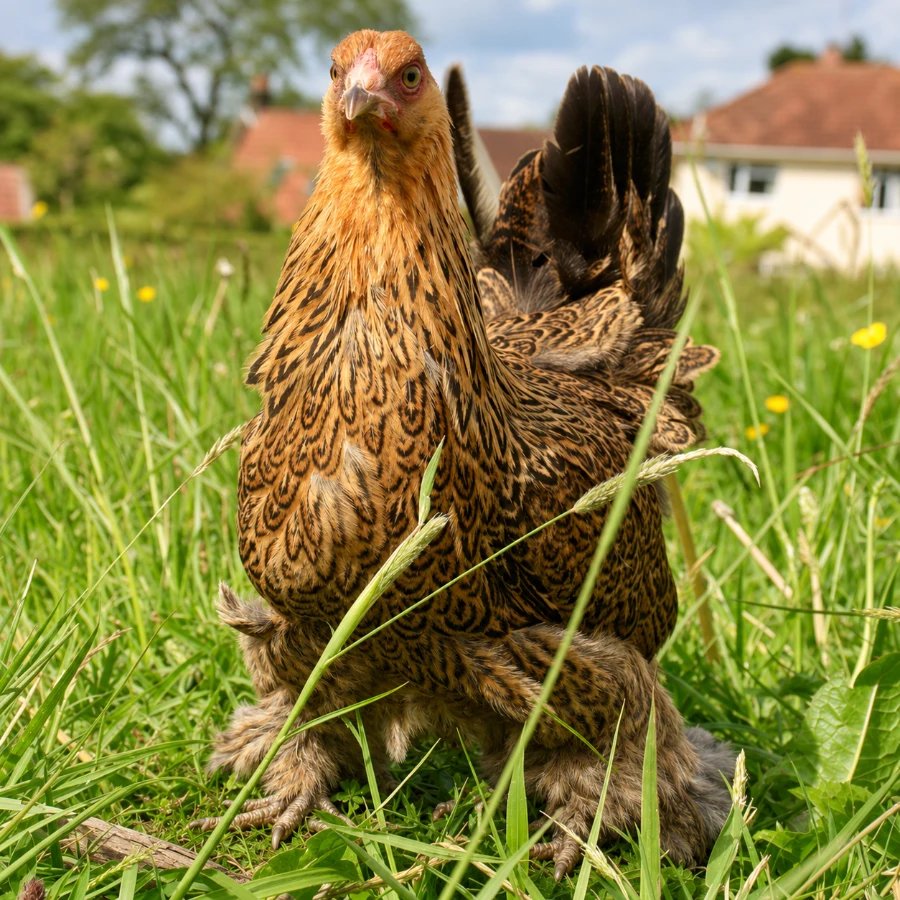
Bantam Brahmas carry the familiar Brahma outline in a smaller bird, with broad bodies, decorative plumage and feathered legs and feet. Their compact size can suit a carefully planned garden flock with enough space for daily activity.
Often regarded as gentle birds, they can become comfortable around familiar keepers through calm, regular interaction. Some are quieter than their companions, so introduce new birds gradually and watch for bullying or competition.
For Australian conditions, prioritise dependable shade, ventilation and fresh water alongside clean, dry footing. Feathered feet need regular checks, especially after wet weather, and secure housing is essential for every flock.
Choose calm companions and supervise introductions. Provide several feeding and drinking points, resting places and enough room for quieter hens to move away from more assertive birds.
Chicken buying guide ›
Their gentle reputation can make them enjoyable garden companions. Build confidence patiently, respect each bird’s handling preferences and supervise children around chickens.

An approximate annual laying guide for small to medium eggs. Output varies with breeding line, age, season, broodiness, nutrition and individual care.
Bantam Brahmas are often calm, observant birds that enjoy exploring familiar surroundings. Their small size and feathered outline give them a distinctive garden presence, while individual confidence and willingness to interact vary.
Spend time quietly near new hens and use a consistent routine. Allow nervous birds to approach at their own pace, avoid chasing and support the whole body when lifting. Gentle, supervised interaction is especially important around children.
A peaceful flock depends on space and individual behaviour as well as breed. Watch for birds being excluded from feed, water or resting areas, and provide several access points and places to retreat. Choose companions thoughtfully and monitor new introductions.
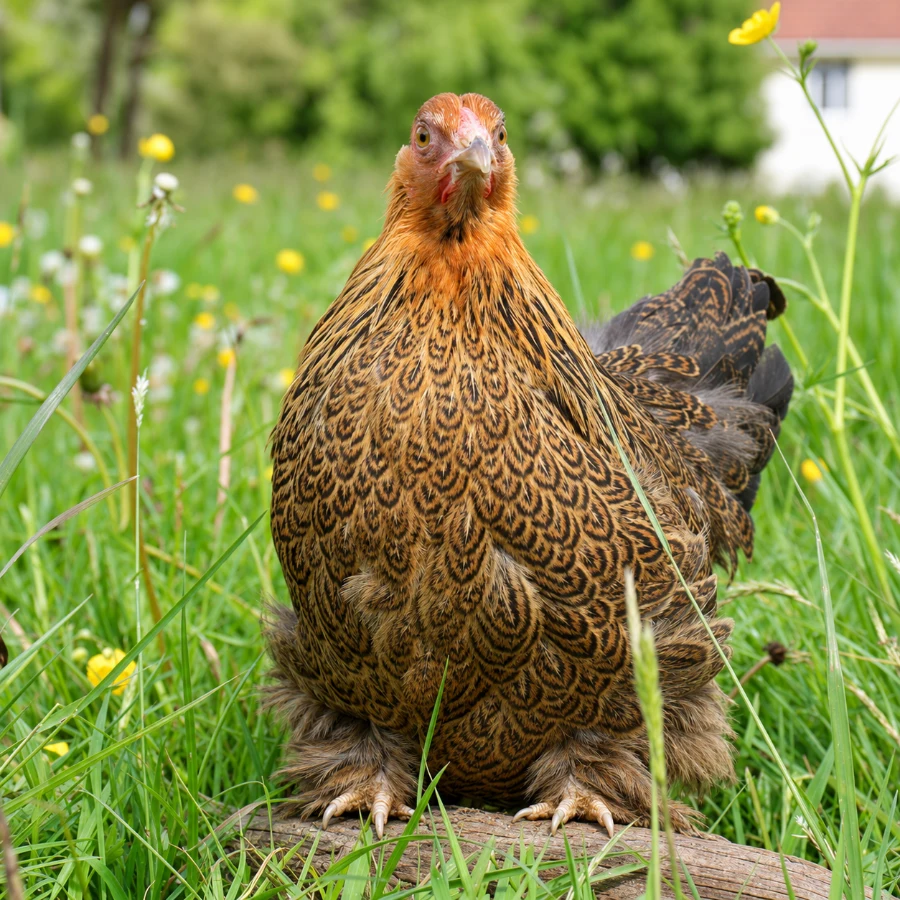
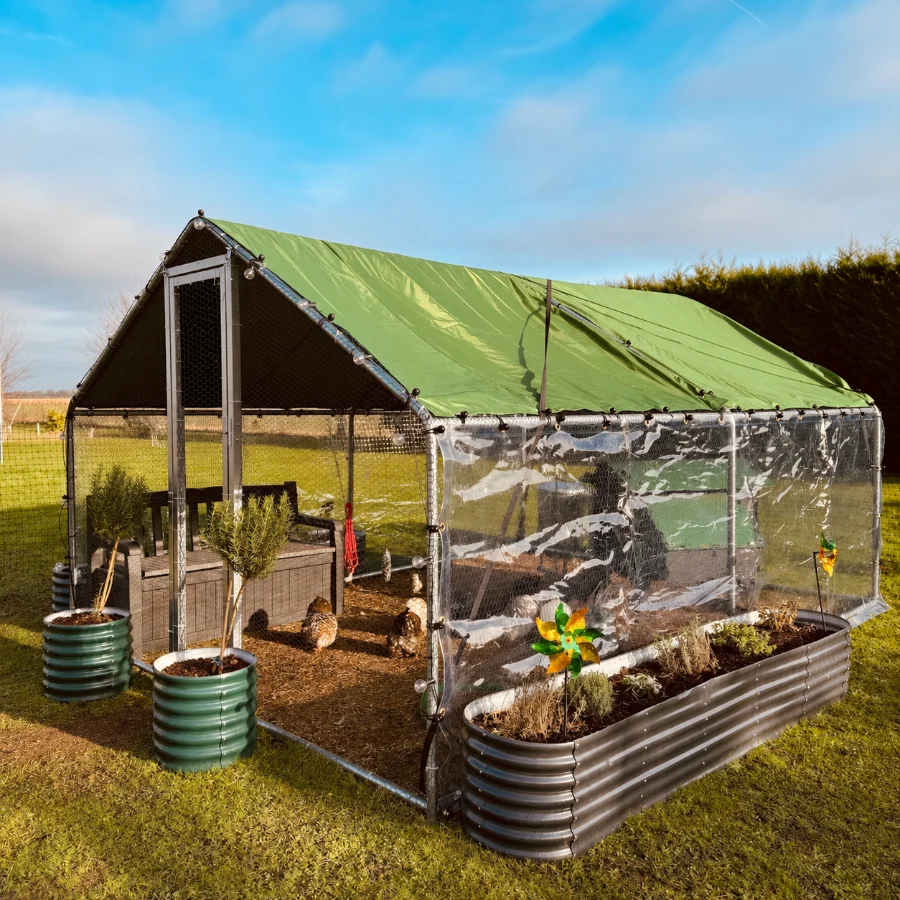
Provide a predator-resistant house and secure run with room to walk, scratch, dust bathe and forage. Use clean bedding and well-drained footing; feathered feet can collect mud and debris, so inspect them regularly, particularly during wet weather.
Offer stable resting places, suitable perches and easy access to the house and nesting areas. Keep feeders and drinkers within comfortable reach and provide enrichment and sheltered dust-bathing space. Check fences and overhead protection rather than relying on a bird’s size or temperament for safety.
Australian summers require reliable shade, airflow and plentiful fresh drinking water. Check birds and housing daily and adapt shelter to local heat, wind and rain. Feed an appropriate complete ration and maintain a calm flock routine, with particular attention to quieter birds.
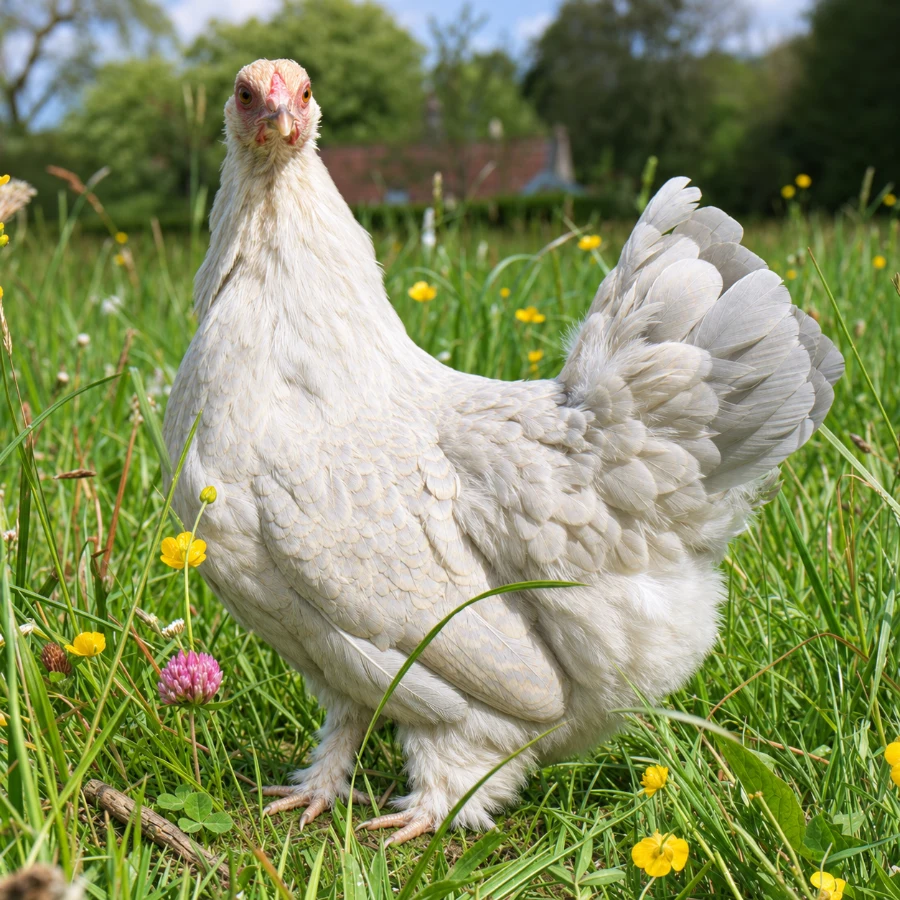
The Brahma was developed during the nineteenth century from Asian poultry brought to North America. The larger breed became known for its broad body, feathered legs and distinctive appearance before spreading through international poultry keeping.
Bantam Brahmas were subsequently developed to retain the familiar appearance in a smaller form. They are kept for exhibition, garden companionship and eggs, with different plumage varieties maintained by breeders.
Bantam and large Brahmas have different space and handling considerations. Ask about each bird’s breeding line, age and care history, and prepare housing for Australian weather and the needs of your particular flock rather than assuming overseas conditions apply.