Good With Most
Choose companions thoughtfully and introduce birds gradually. Monitor individual behaviour and provide several feeding, drinking and resting places so quieter flock members are not overwhelmed.
Chicken buying guide ›

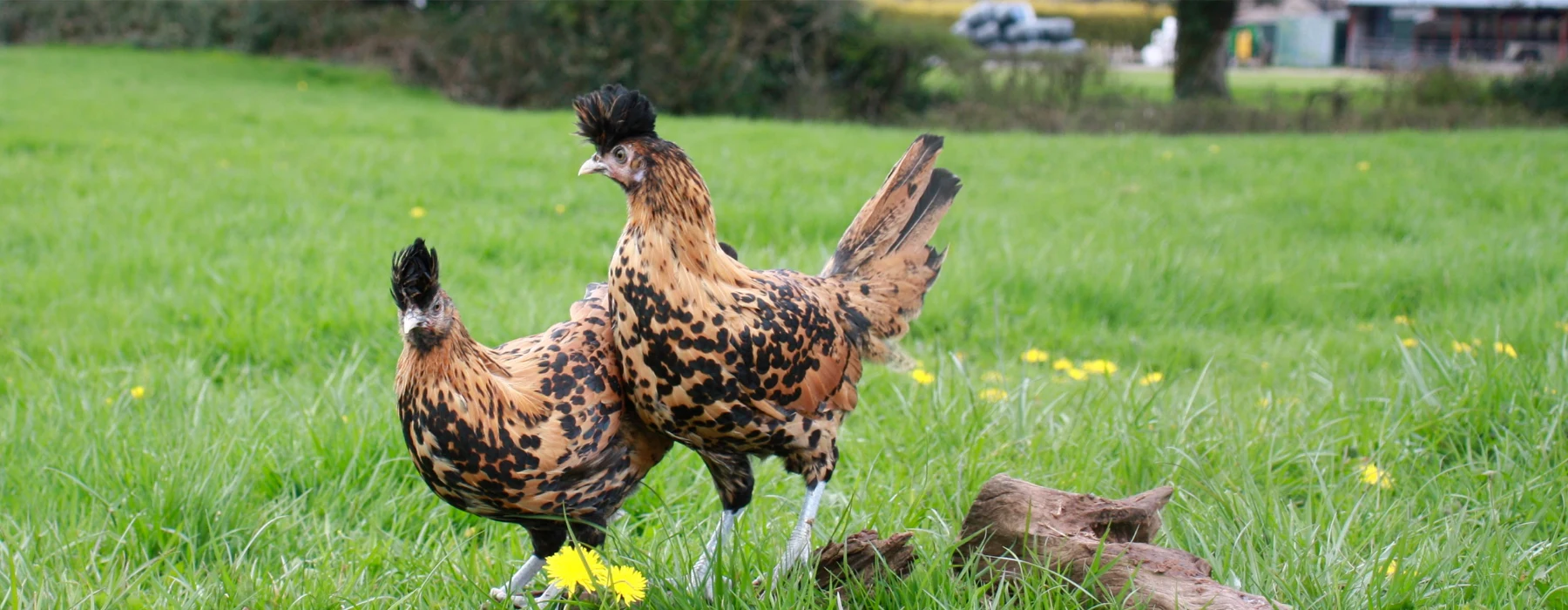
Discover characterful Appenzeller chickens with their distinctive pointed crests.
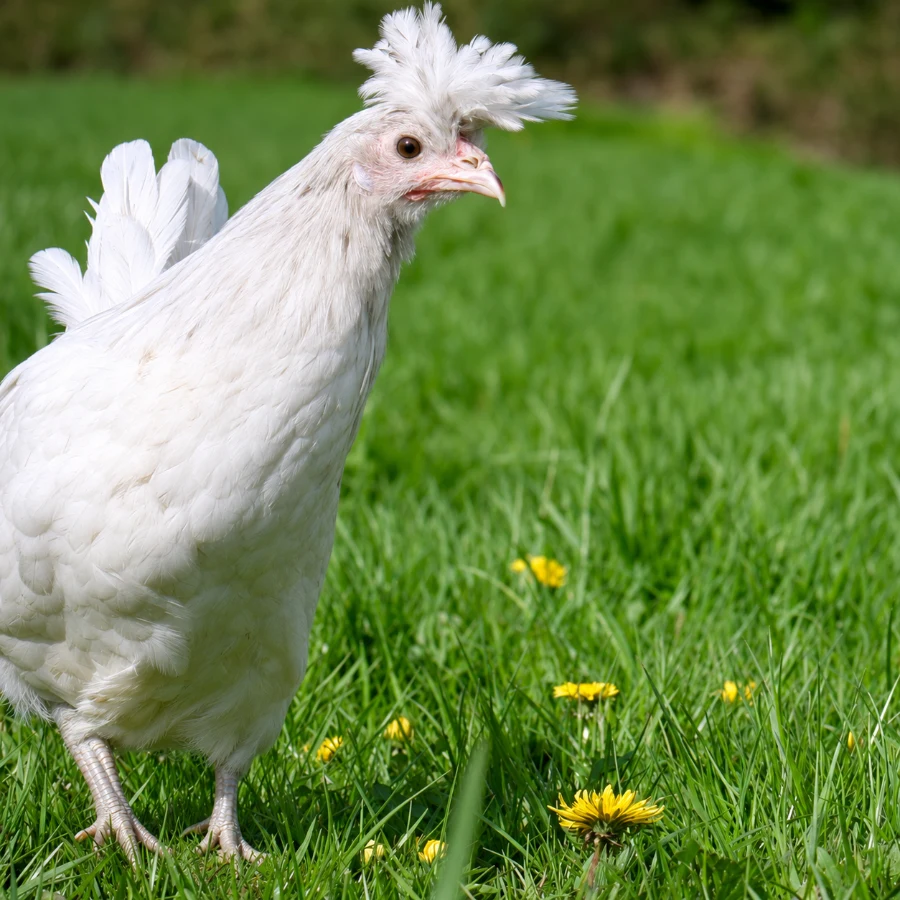
Appenzellers are striking, active chickens with a distinctive pointed crest and an alert garden presence. The crested Spitzhauben type shown here combines eye-catching plumage with a busy, inquisitive nature.
They often enjoy foraging, exploring and keeping an eye on their surroundings. Patient interaction and a predictable routine can help build confidence, although individual birds may prefer company to being handled.
For Australian gardens, plan a spacious, secure run with enrichment, safe roosts, shade and fresh drinking water. Choose compatible companions and allow enough room for every bird to forage, rest and retreat.
Choose companions thoughtfully and introduce birds gradually. Monitor individual behaviour and provide several feeding, drinking and resting places so quieter flock members are not overwhelmed.
Chicken buying guide ›
Often inquisitive and engaging once settled, Appenzellers may enjoy exploring near their keeper. Build trust patiently and respect each bird’s comfort with handling.

An approximate guide to annual laying potential. Egg size and output vary with breeding line, age, season, nutrition and individual care; performance is not guaranteed for every hen.
Appenzellers are often alert, curious chickens that enjoy investigating their surroundings. Their distinctive crests and patterned plumage give them an unmistakable appearance in a garden flock.
A familiar routine and patient interaction help birds become confident around their keeper. Some remain cautious about being held and can react quickly when startled, so approach calmly and respect individual preferences.
Their active nature makes room to explore and worthwhile enrichment important. Introduce flock companions gradually, observe individual behaviour and supervise children around chickens.
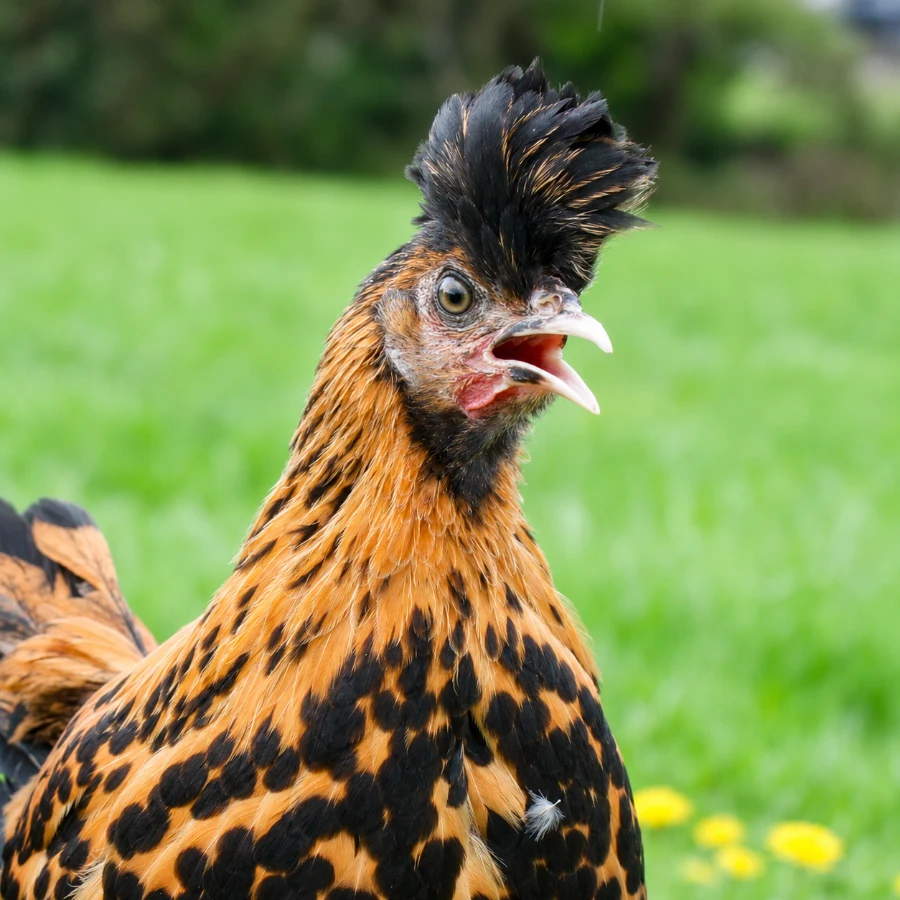
Provide a spacious, secure run with opportunities to scratch, forage and dust bathe. Appenzellers can fly well, so assess boundaries carefully and use a covered enclosure where needed, with a predator-resistant house at night.
Offer stable roosting bars, safe access ramps or ladders and clean, dry bedding. Keep crest feathers clean and check that birds can see and reach food, water and the house comfortably. Rotate safe enrichment to keep the run interesting.
In Australian conditions, reliable shade, ventilation and plentiful fresh drinking water are essential in hot weather. Provide shelter from wind and rain, feed an appropriate complete ration and check birds and fencing daily.
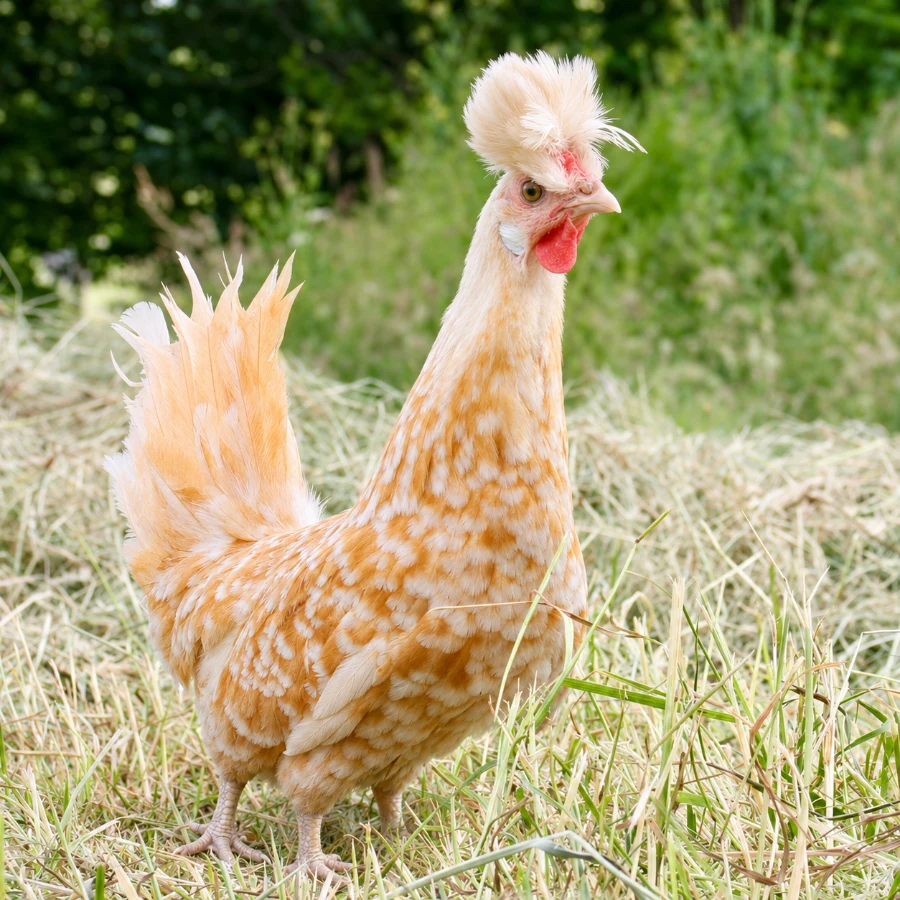
Appenzeller chickens are associated with the Appenzell region of Switzerland. The crested Spitzhauben type is particularly recognisable for its pointed head feathers and distinctive outline.
The name Spitzhauben refers to a pointed bonnet, reflecting the crest that gives these chickens their characteristic appearance. Poultry enthusiasts have preserved and developed the breed in several countries.
Today Appenzellers are kept for their appearance, character and white eggs. Their active habits and ability to fly remain central to planning suitable garden housing, while laying performance varies between birds and breeding lines.