Good With Most
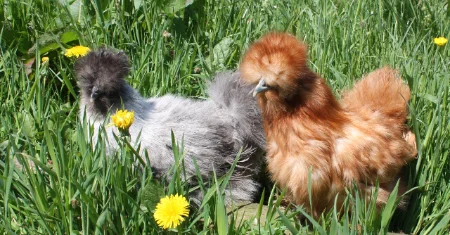
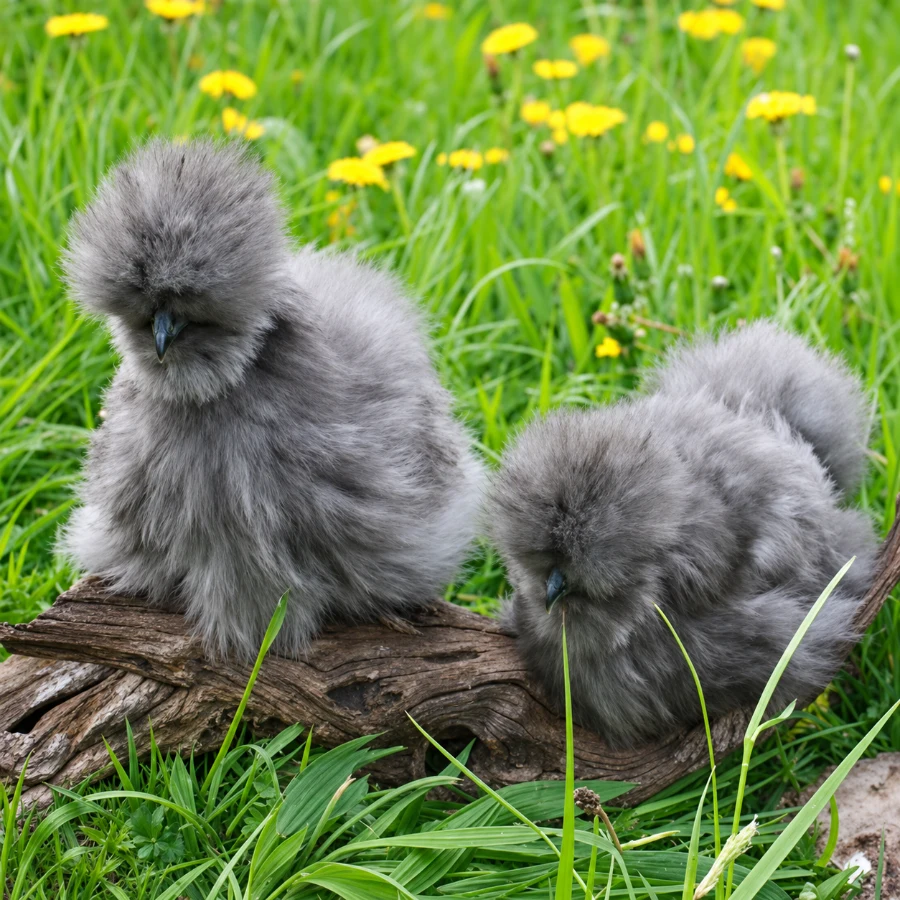
Choose calm, compatible companions and allow space for each bird. Because Lakenvelders can be flighty, avoid overcrowding or very pushy hens. Individual temperament matters alongside breed.
Chicken buying guide ›

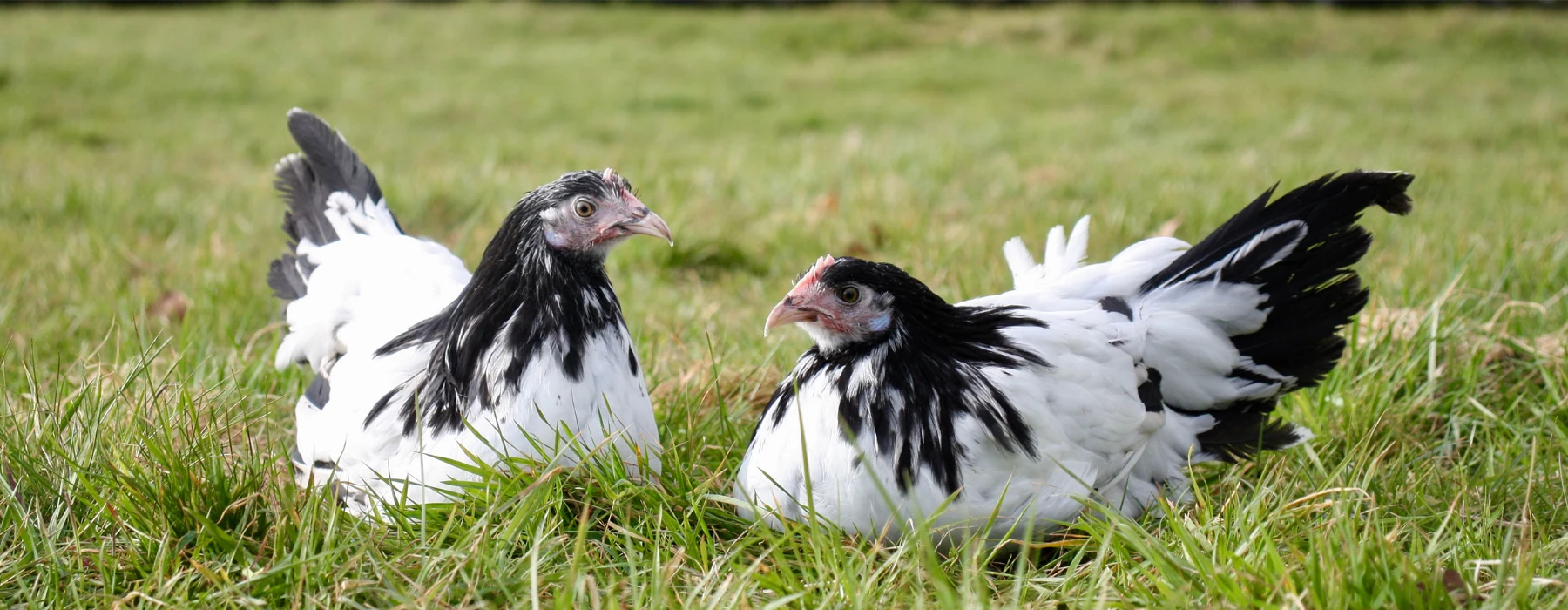
Discover the beauty and character of Lakenvelder chickens.
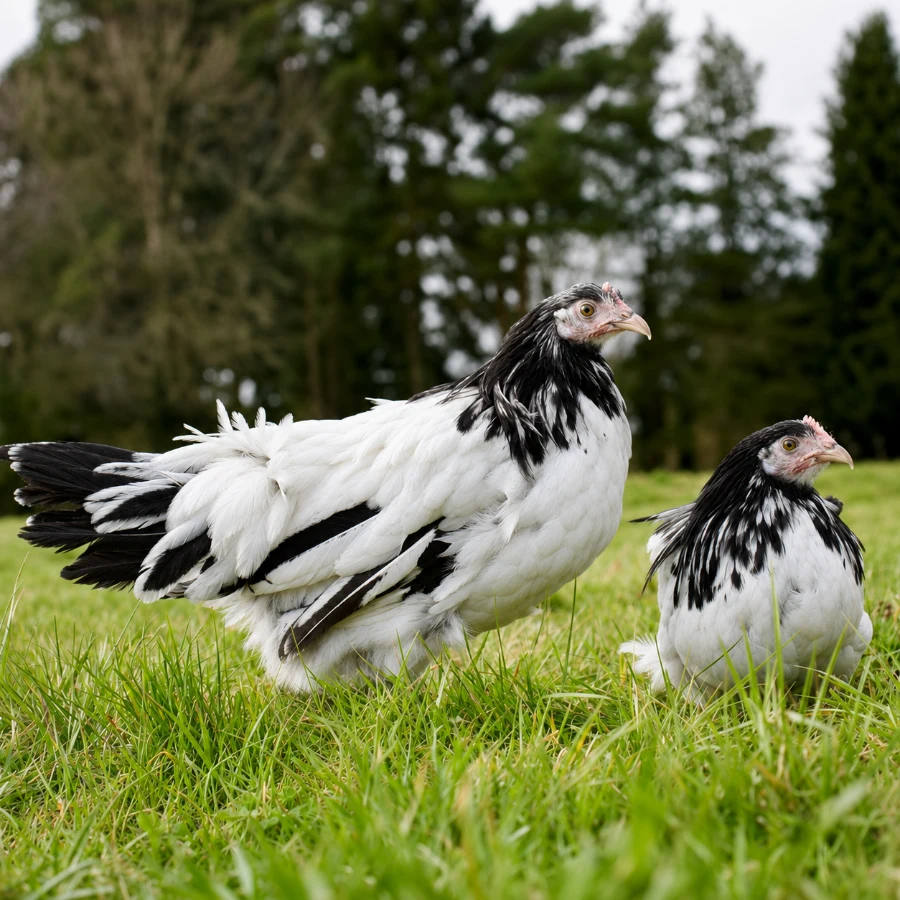
Lakenvelders are distinctive pure-breed chickens with striking black-and-white plumage. Curious and alert, they enjoy exploring their surroundings and can become rewarding garden companions as they gain confidence with their keeper.
They can be a little flighty, so suitable space, secure housing and patient handling matter. Calm companions and careful introductions help them settle without being crowded or overwhelmed by more assertive birds.
Choose calm, compatible companions and allow space for each bird. Because Lakenvelders can be flighty, avoid overcrowding or very pushy hens. Individual temperament matters alongside breed.
Chicken buying guide ›
Inquisitive birds may enjoy being around their keeper while preferring to explore rather than be picked up. Build trust with patient, gentle interaction.

An approximate guide to annual laying potential. Egg shade and output vary with the individual hen, age, season and care.
Lakenvelders are alert, inquisitive chickens that enjoy investigating their surroundings. Many become comfortable with their keeper’s company as a quiet routine and patient handling help build trust.
They are not always birds that want to be cuddled, but their curious nature can make them rewarding companions to watch. Give new hens time to settle and let individual confidence develop.
A mixed flock can work when companions are chosen thoughtfully. Avoid overcrowding and watch for bullying from more assertive birds. Always supervise children and teach gentle approaches to chickens.
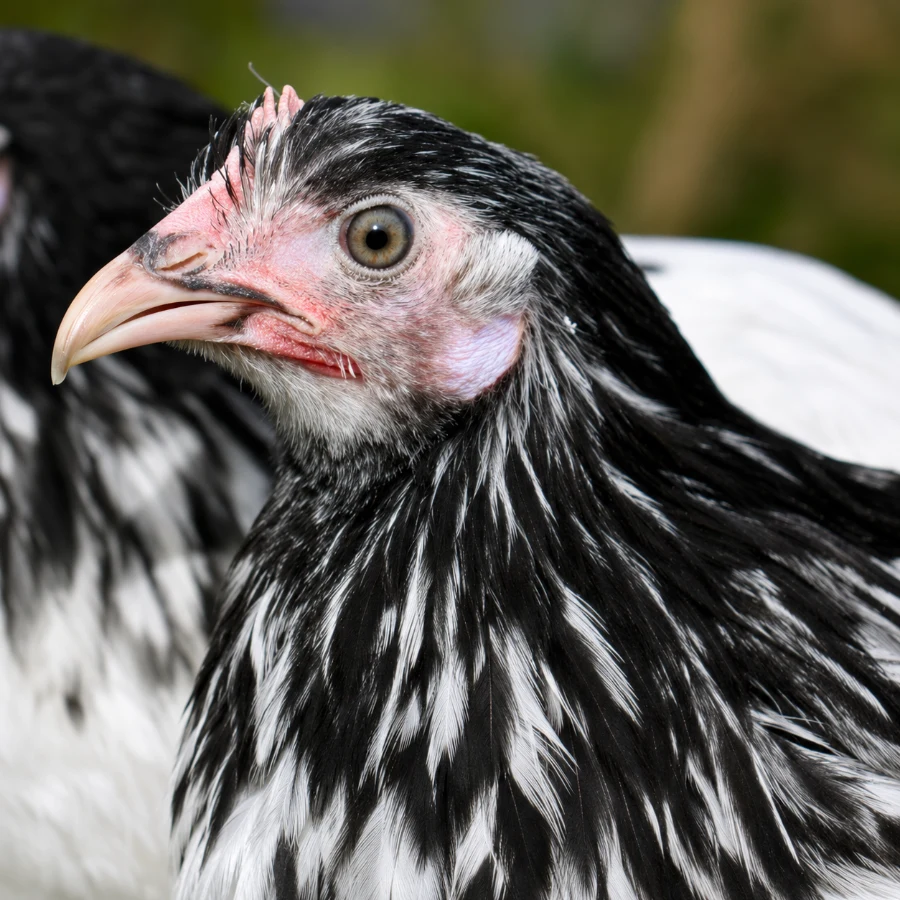
Provide a secure, enriched run with opportunities to scratch, forage and dust bathe. Logs, suitable perches and safe access to the house add variety. These alert birds can fly, so protected boundaries are important.
For an Australian garden, plan shade, ventilation and fresh drinking water in hot weather, alongside dry shelter during rain and wind. Allow enough space for birds to move away from companions and supervise introductions carefully.
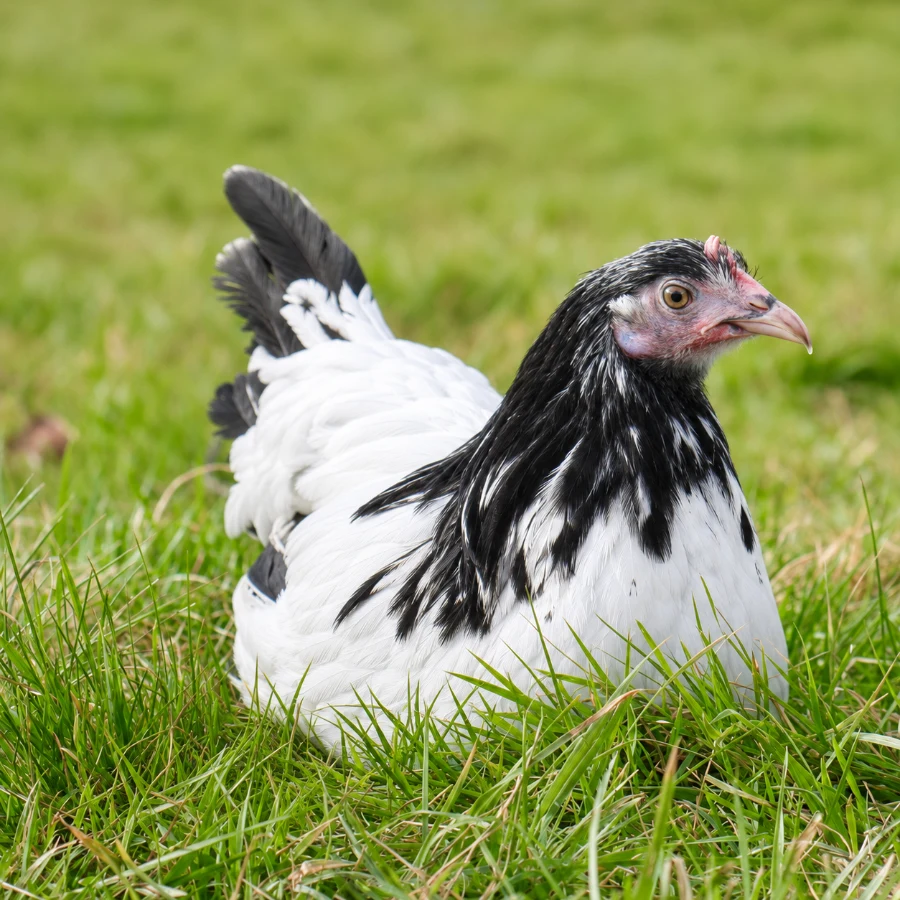
The Lakenvelder’s precise origins are debated. Historical accounts connect the breed with both the Netherlands and Germany, and its name is often associated with the Dutch village of Lakerveld.
Its contrasting black neck and tail against a white body helped make it a distinctive traditional poultry breed. Today enthusiasts appreciate its appearance, alert character and pale eggs. Egg production naturally varies between birds and through the seasons.