

In this guide
Ten things to consider before buying chickens in Australia
Choose birds and a setup you can care for through their whole lives. Consider companionship and welfare alongside egg expectations and appearance.

1. Breed selection
Compare adult size, temperament, mobility, broodiness and laying expectations. Read the individual guides and consider the group you intend to keep.
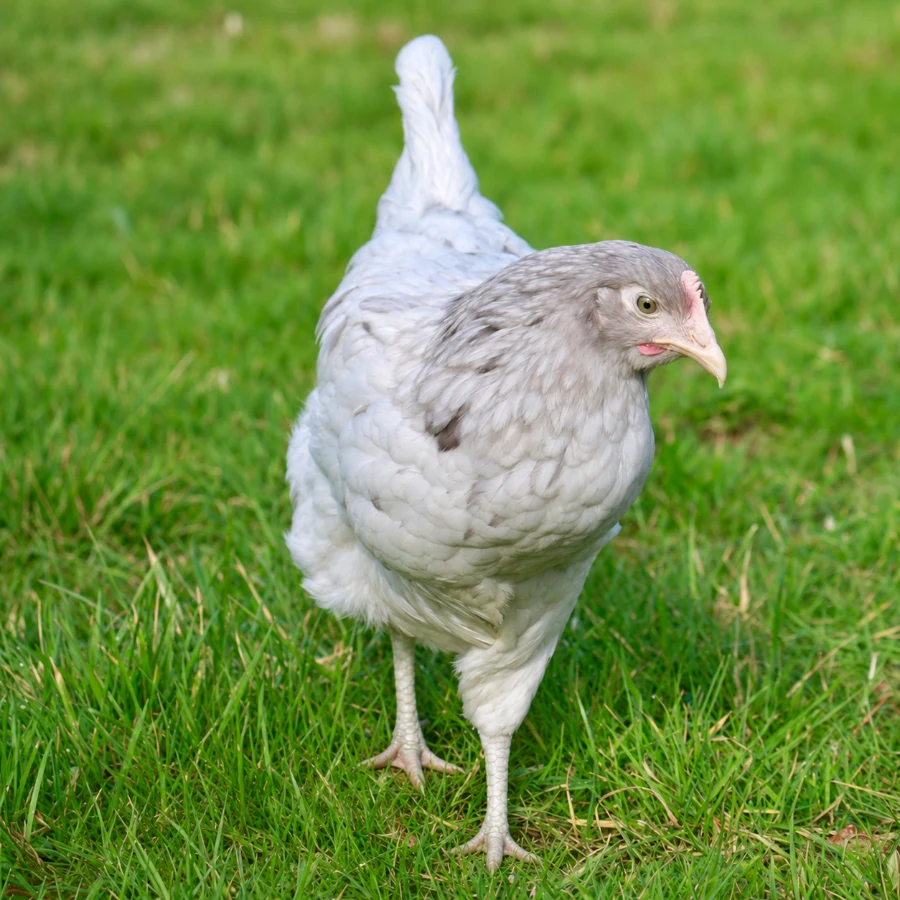
2. Space and housing
Provide enough usable house and run space for adult birds, their compatibility and time enclosed. Plan secure construction, ventilation, shade, dry ground and cleaning access.
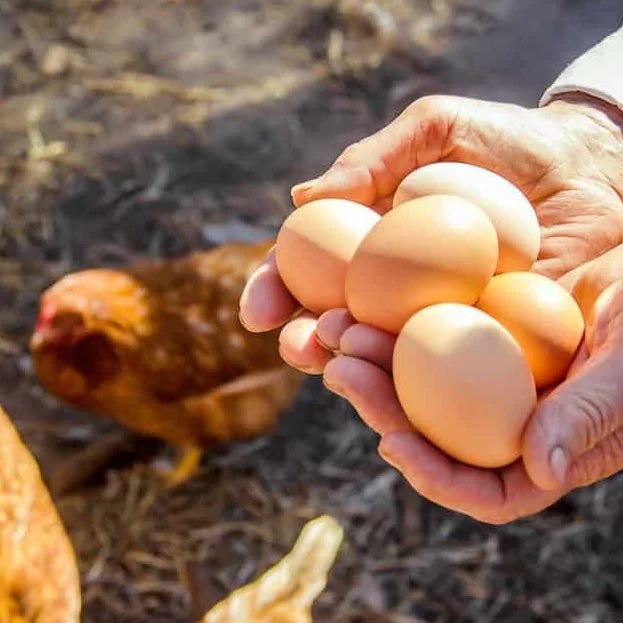
3. Local requirements
Check council rules on poultry numbers, roosters, setbacks and nuisance management. Additional animal-health or movement requirements may apply.
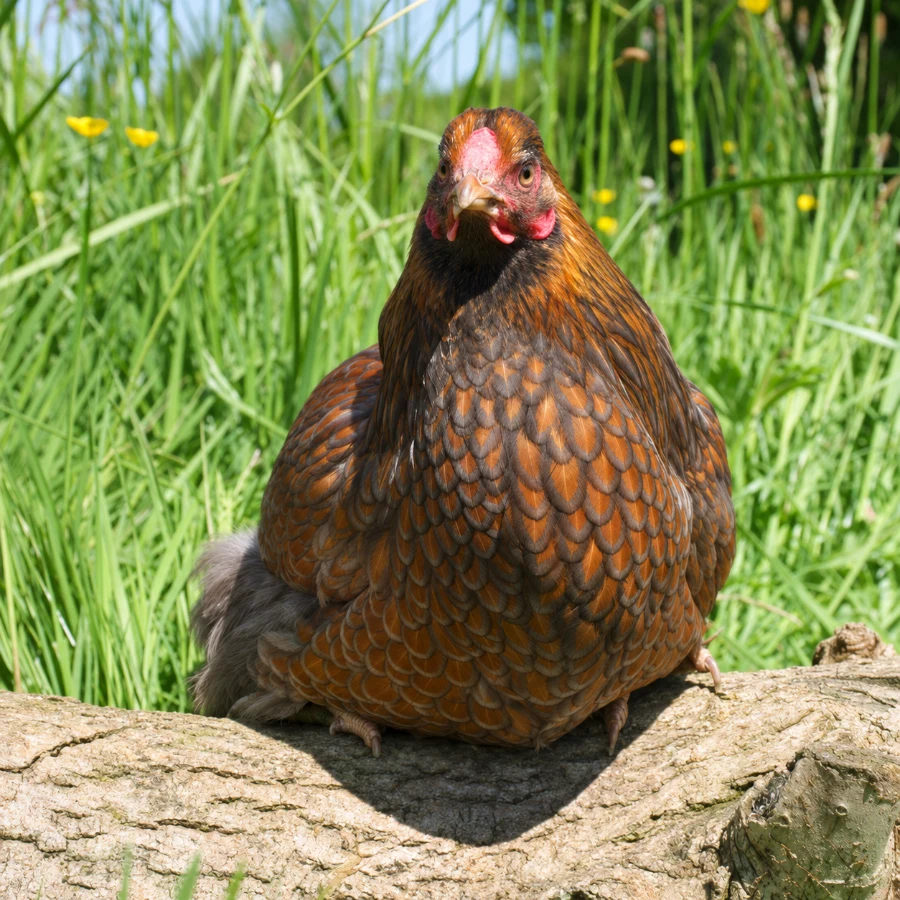
4. Where birds come from
Ask about age, sexing limitations, health history and vaccination records. Consider the care needed by chicks, pullets or mature hens before deciding.
5. Health and biosecurity
Arrange a veterinary quarantine and introduction plan and prepare separate facilities if needed. Do not assume an advertisement or breed name establishes a bird’s health status.
6. Feed and water
Use the right complete ration and equipment every bird can reach. Keep water clean, feed dry and storage protected from pests.
7. Egg expectations
Laying changes with age, season, moult, nutrition and health. A headline egg number is not a guarantee, and hens need suitable care when laying slows.
8. Social compatibility
Choose an appropriate group and allow room to retreat. Matching breeds alone does not guarantee harmony; monitor individuals and their resource access.
9. Daily and holiday care
Plan feeding, water checks, observation, cleaning and egg collection, with reliable cover when you are away. Budget for veterinary care as well as equipment.
10. Predators and security
Assess local risks and use sound mesh, doors, fastenings and suitable overhead protection. Check the enclosure regularly and do not rely on an automatic door without checking the birds.
