In this guide
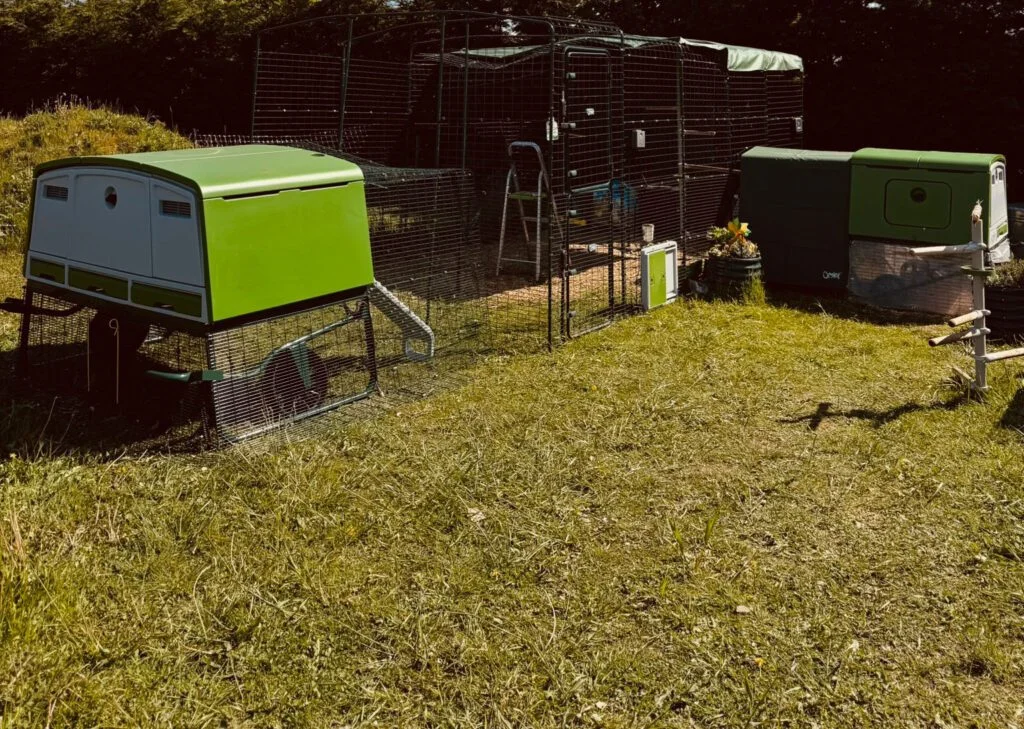
If you’re considering investing in a new home for your chickens , then perhaps you are considering whether you should go for a wooden chicken coop or a plastic one? Both are readily available on the chicken housing market and there’s really no right or wrong answer, it’s just about choosing what works for you. Knowing the difference can help you choose the right home-sweet-hen-home for your flock (and for your cleaning schedule).
Use the related guides to compare suitable options for your flock. Confirm current availability, individual care needs and the birds’ health history before making arrangements with Chicken Hatchery Australia.
We’ll look a little further into the details and help you decide which coop style suits you best.
Plastic: Cleaning Made Easy
Of course, chickens are delightful creatures, but they’re not exactly tidy flatmates. Coops need regular cleaning, and this is where the makers of the plastic models really promote their models and we don’t disagree. With smooth, non-porous surfaces, most plastic coops can be cleaned with a quick hose down and a scrub with hot soapy water. No special tools, short drying time, and no damp lingering in the wood.
Wooden coops may need a little more love to keep clean over time. Because wood is a porous material, it naturally soaks up moisture and odours, and over time, it can become a bit harder to keep fresh. But with regular maintenance and a good scrub, wooden houses can be just as clean and cosy. The trick, in either case, is to stay on top of your routine.
Red Mites: It’s Not What Your Coop Is Made Of, It’s How You Use It
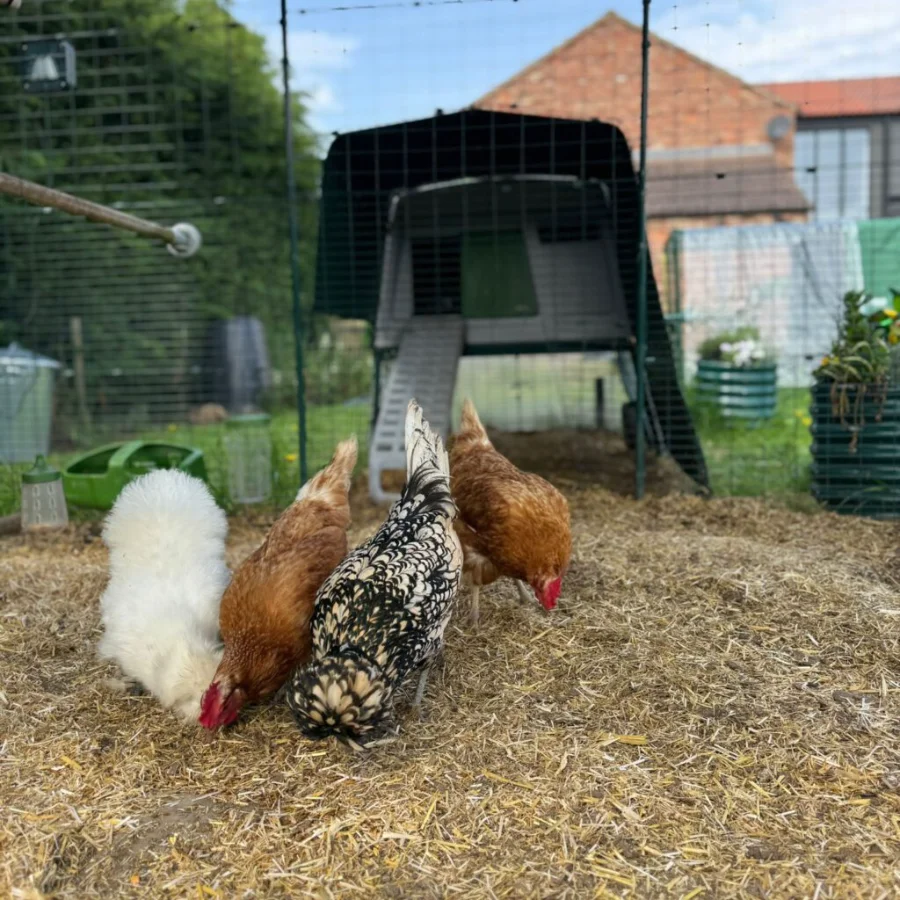
Red mites aka, the nemesis of poultry keepers everywhere. You might have heard that plastic coops are “mite-proof”—but unfortunately this is not quite the case, red mites aren’t too fussy. They’ll move into any type of coop if the conditions suit them—yes, even the smoothest plastic ones.
Cleaning, appropriate housing and regular inspection support prevention, but no routine or material makes a flock permanently parasite-proof. Identify any infestation and follow a suitable veterinary treatment plan.
Durability and Weather-Proofing
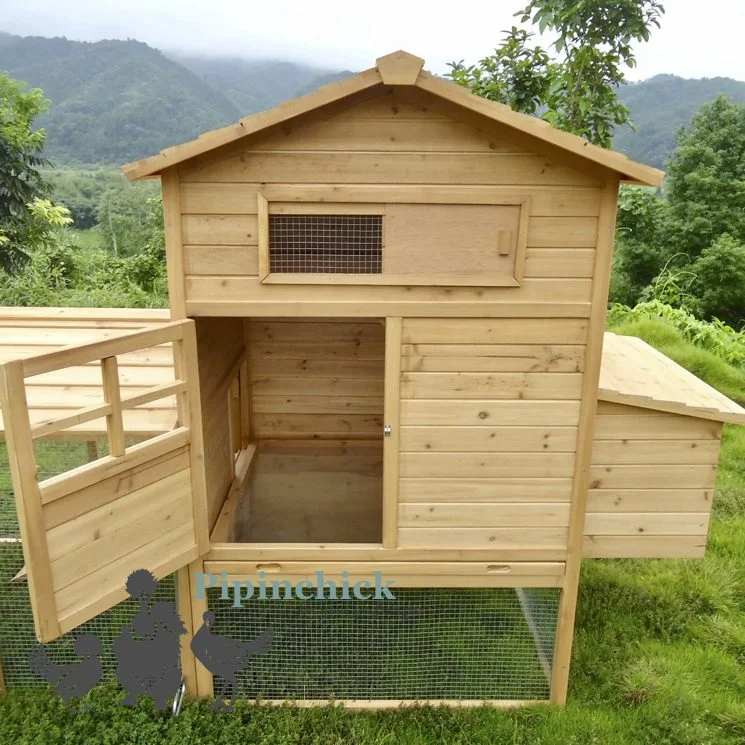
Another consideration when bumming your hands a home is durability. Wooden coops can absolutely stand the test of time—but they’ll need a bit of TLC along the way. Paint, preservatives, and the occasional bit of repair work will keep your coop solid and weather-resistant for years. That rustic charm comes with responsibilities, after all.
Check the relevant breed and care guides, confirm current availability and ask for the birds’ health and vaccination history before making arrangements. Choose a setup that meets your flock’s needs and local Australian requirements.
Eco Credentials
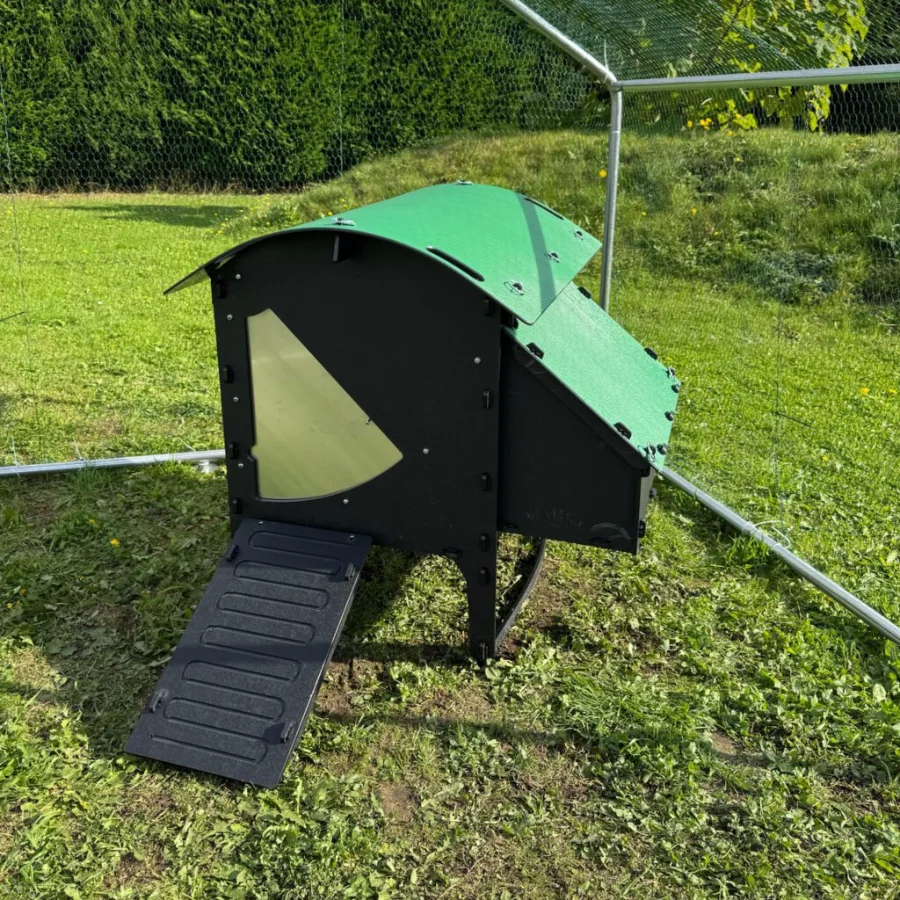
Thinking green? Nestera plastic coops are made from fully recycled and recyclable materials, which is a lovely bonus for environmentally conscious chicken keepers. Wooden coops, especially those made with FSC-certified timber and sourced responsibly, are also a sustainable choice—so there’s eco-merit on both sides of the fence.
Safety and Security
Whether it’s made of wood or plastic, your coop needs to be strong and secure. It should keep your hens snug, shield them from the elements, and—most importantly—keep the foxes firmly on the outside.
We love Nestera’s robust design, which includes predator-proof mesh, sturdy fixings, and a stable, low-profile shape that stands strong against the wind. But again, it’s not about plastic vs. wood—it’s about picking a coop that’s well made and well maintained.
So, Which Should You Choose?
Well this really is down to your own personal preference. Wooden coops offer timeless appeal and a traditional feel, lower upfront costs and with regular care, they’ll serve you well. Plastic coops like those from Nestera are wonderfully low-maintenance, super easy to clean, and built to last.
If you’re a new chicken keeper looking to keep things simple—or a seasoned pro who wants a no-fuss option—then a plastic coop could be just the ticket. But if you love the look and feel of a wooden house and don’t mind rolling up your sleeves for the upkeep, you’ll be just as happy (and so will your hens).
The Final Pecking Order
If a plastic coop sounds like your sort of thing, take a look at our Nestera range , They’re smart, sustainable, and seriously practical. Or if wooden hen houses sound like your thing, check out our wooden coops here . And if you ever need help picking the right one, you know where to find us.
Here’s to proactive poultry parenting—and plenty of happy hens!