
In this guide
Enrichment for your chicken run
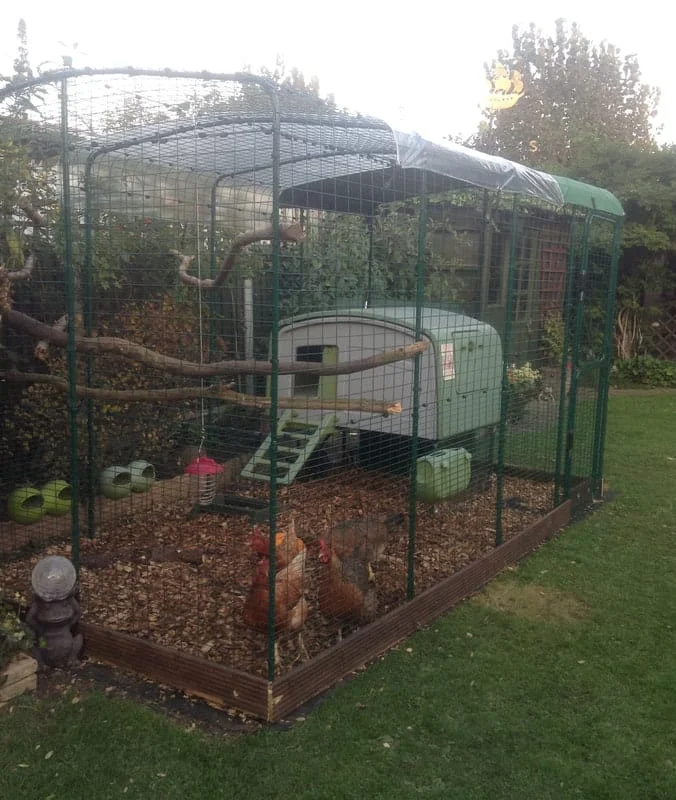
A useful run provides room for movement and safe opportunities to scratch, perch, dust-bathe and explore. Match enrichment to mobility and leave clear access to essentials.
Boredom or a health problem?
Pacing, feather damage and changed activity have several possible causes. Check hunger, thirst, conflict, parasites and illness. A weak bird or one that stops eating needs veterinary advice.
1. A sheltered dust bath
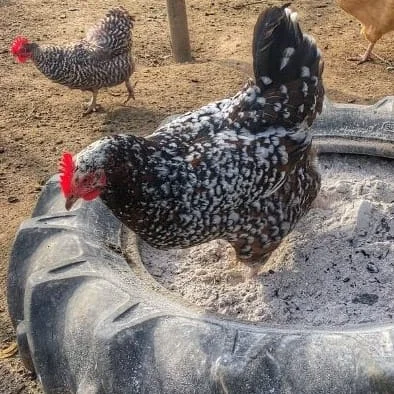
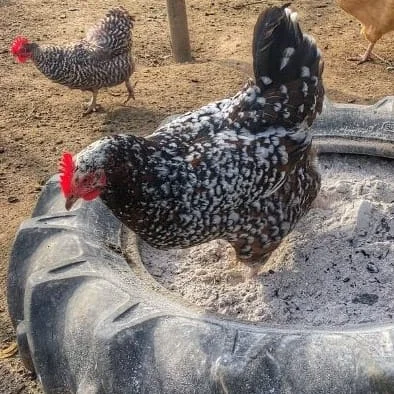
Provide dry loose soil or suitable sand in an accessible sheltered area. Dust-bathing is normal behaviour, not a reliable treatment for an infestation.
2. Logs and low platforms
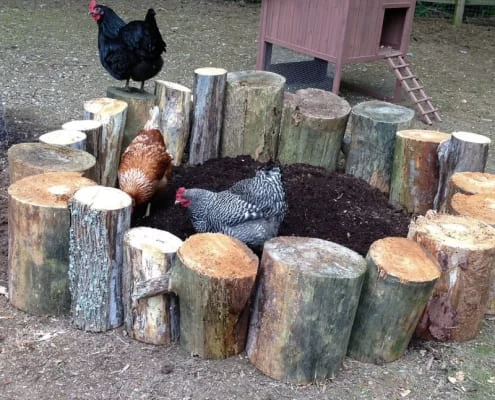
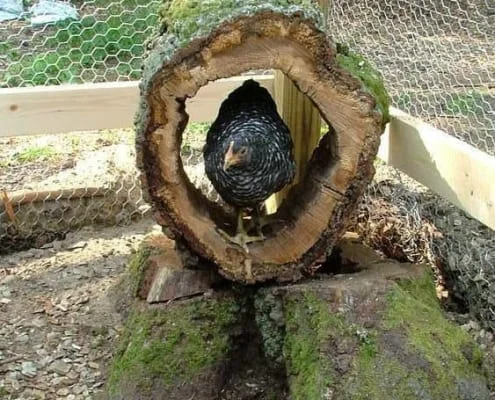
Use stable untreated material free of sharp edges, mould and contamination. Secure it against rolling or collapse and offer safe landing space. Avoid forcing less mobile birds to climb high.
3. Places to explore
Sturdy barriers and sheltered corners can add interest and allow retreat. Avoid narrow traps with a single exit and objects that catch heads or toes. Inspect underneath when cleaning.
4. Safe foraging
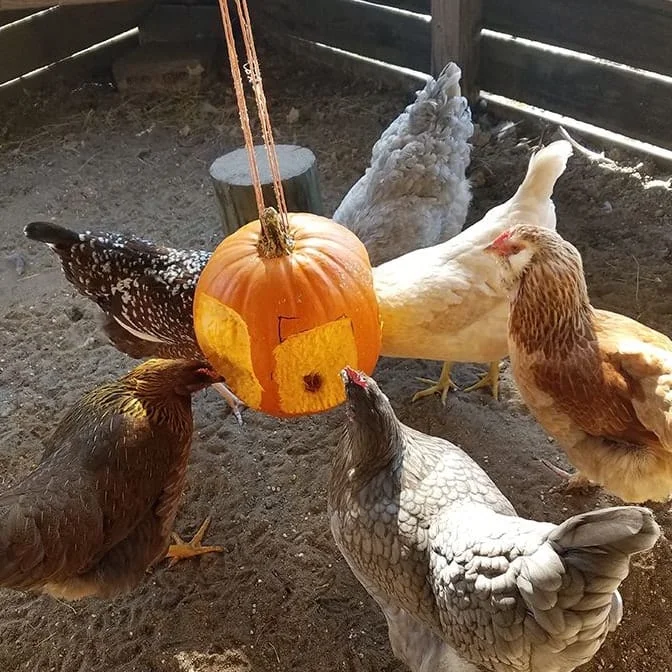
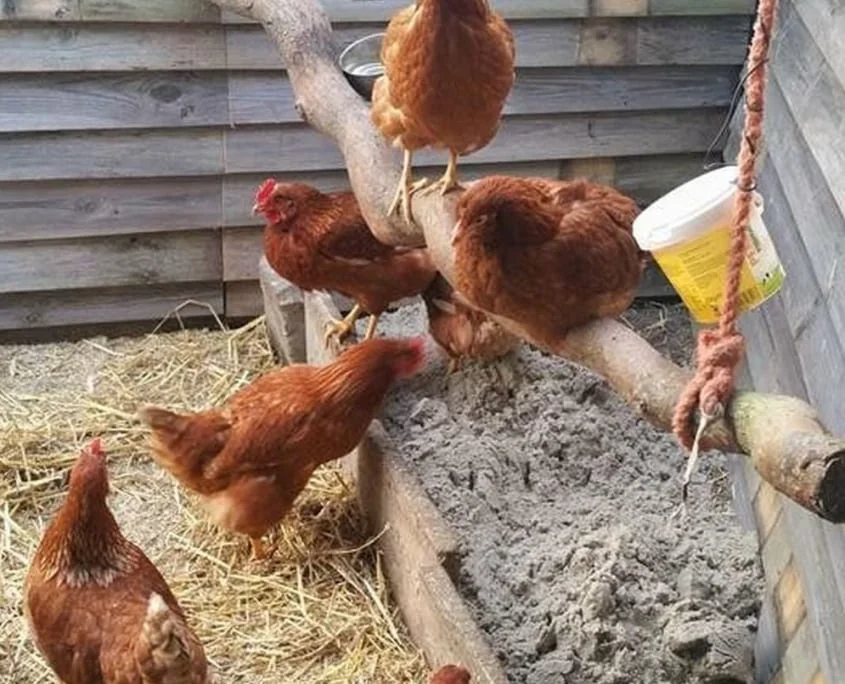
Offer clean scratchable ground and occasional suitable food enrichment alongside balanced feed. Do not scatter food into soiled areas or rely on treats to occupy an overcrowded flock.
5. Change things gradually
Rotate a few safe features instead of filling every space. Watch whether dominant hens exclude others and keep enough open ground for comfortable movement.
Covered runs and Australian requirements
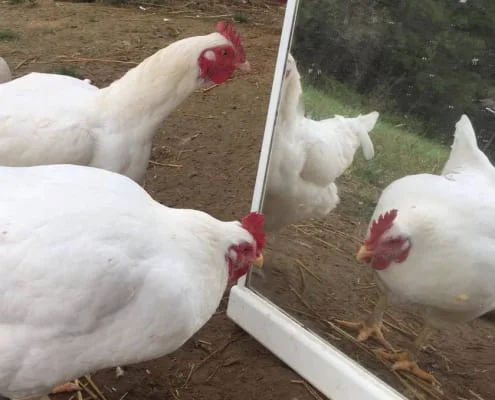
Follow current state or territory directions if housing or movement requirements change. Covered runs still need sufficient space, ventilation, shade and dry ground. This guide does not claim a nationwide housing order is currently in force.