
In this guide
Cold-weather care for Australian backyard hens
Prepare for local conditions. Healthy adults and young, wet or frail birds may have different needs, so inspect individuals as well as the weather.
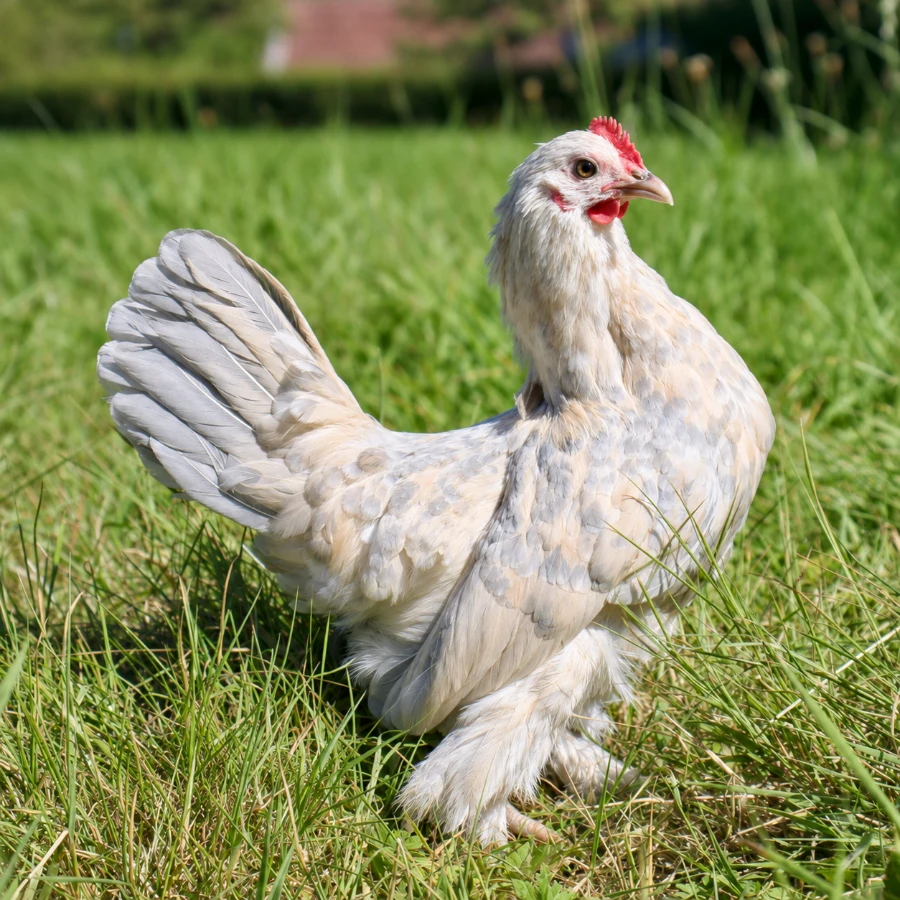
1. Dry shelter and ventilation
Protect birds from driving rain and direct draughts while allowing moisture and stale air to escape. Do not seal vents or cover the house in a way that traps damp.

2. Clean, dry bedding
Use suitable absorbent poultry bedding and remove wet or heavily soiled material. Investigate leaks and condensation rather than hiding them beneath extra layers.
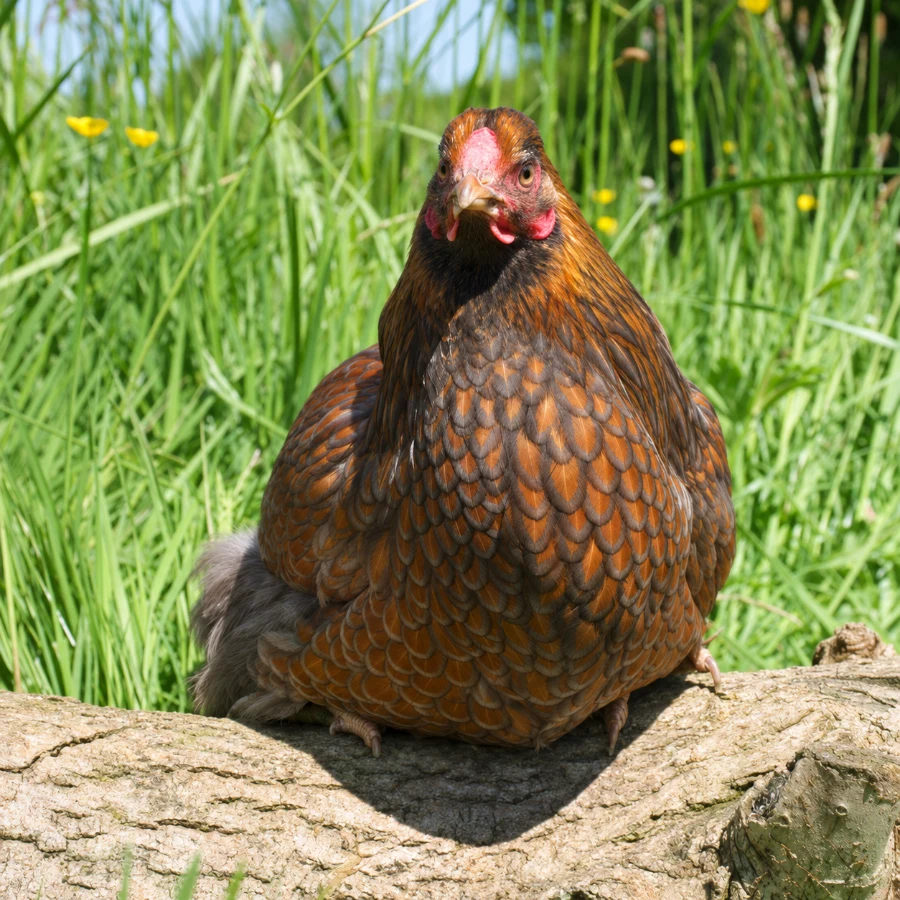
3. Balanced nutrition and water
Keep the correct complete ration and fresh water accessible. Rich treats and unprescribed supplements do not replace suitable nutrition. Check water availability in very cold conditions.
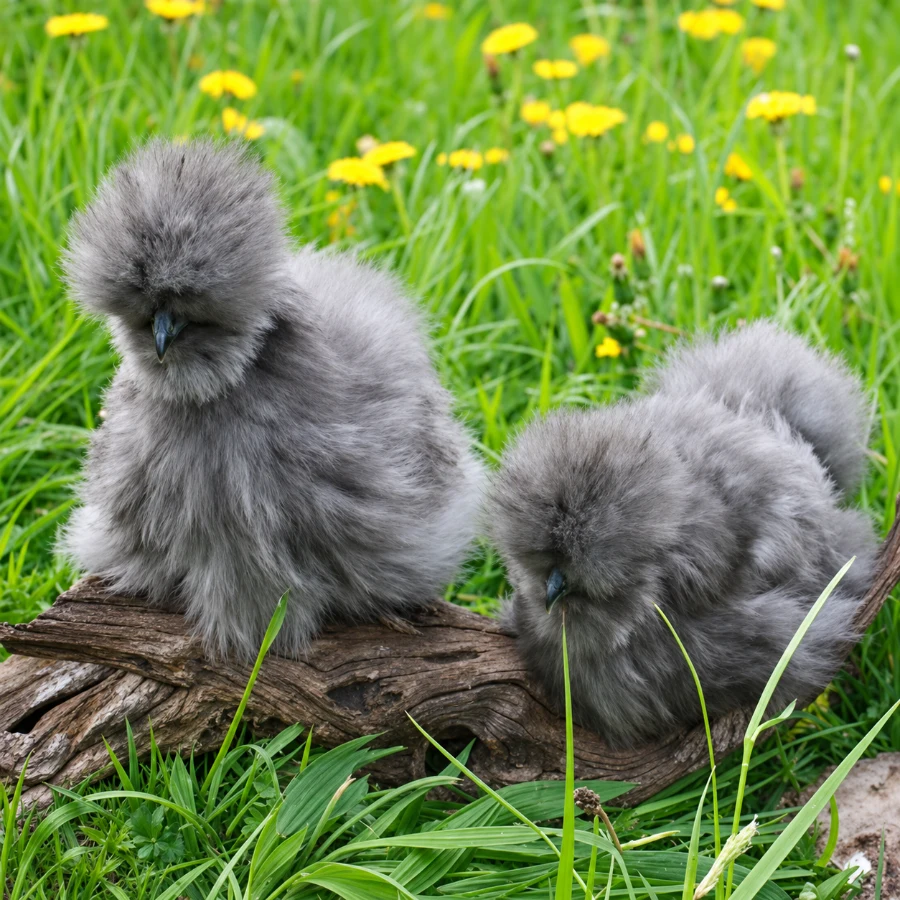
4. Inspect vulnerable birds
Check feather-footed and crested hens for wet plumage and monitor frail birds. Skin damage, cold injury or weakness needs veterinary advice. Avoid improvised heaters and household remedies.
5. Observe laying and behaviour
Seasonal laying changes can occur, but appetite, movement and condition still matter. Ask a vet about birds with special temperature or health needs.
