
In this guide
Hybrid and pure breed chickens: choosing for your Australian backyard
A hybrid is a cross selected for particular traits; a pure breed has an established breed identity and characteristics. Neither label guarantees personality, lifespan or laying performance. Start with your space, routine and the kind of flock you want to care for.
Egg laying: expectations rather than guarantees
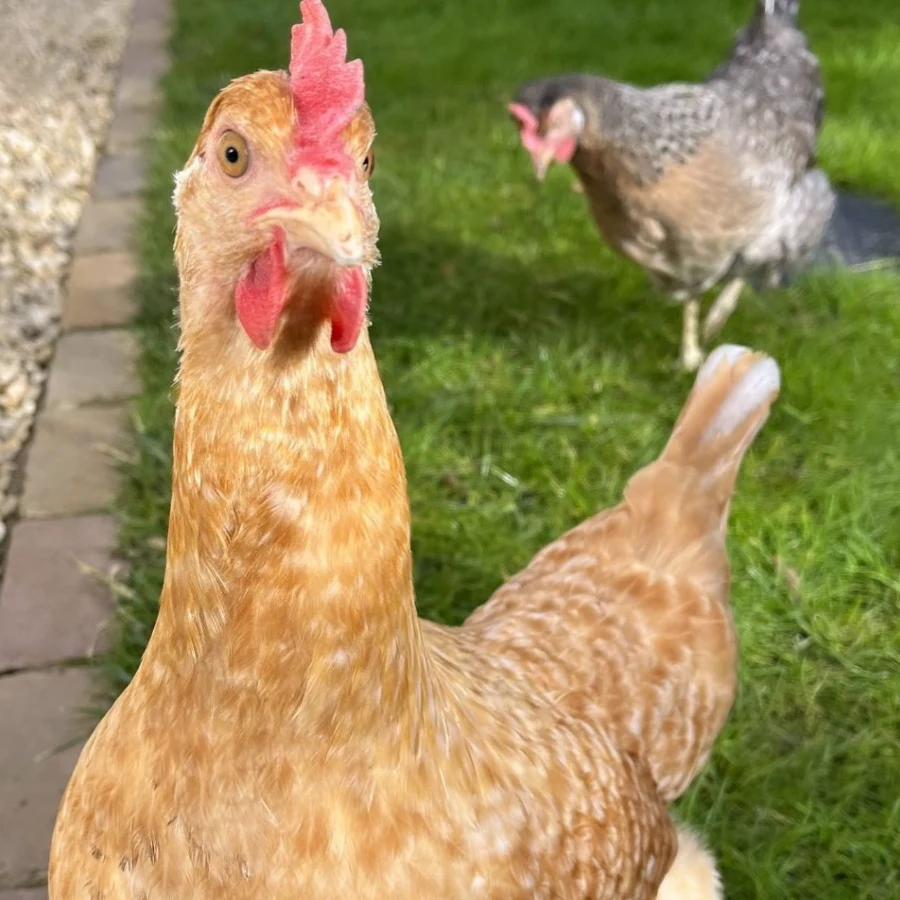
Some laying hybrids have been selected for high egg production, while pure breeds vary widely. Age, day length, nutrition, moult and health affect every hen. A period of reduced laying is not automatically evidence that a bird has reached the end of her life.

Lifespan and long-term care
Do not choose a hen on a fixed lifespan claim or assume that pure breeds always outlive hybrids. Individual history and health matter. Plan a suitable home, companionship and veterinary care after egg production slows.
Diet and care needs
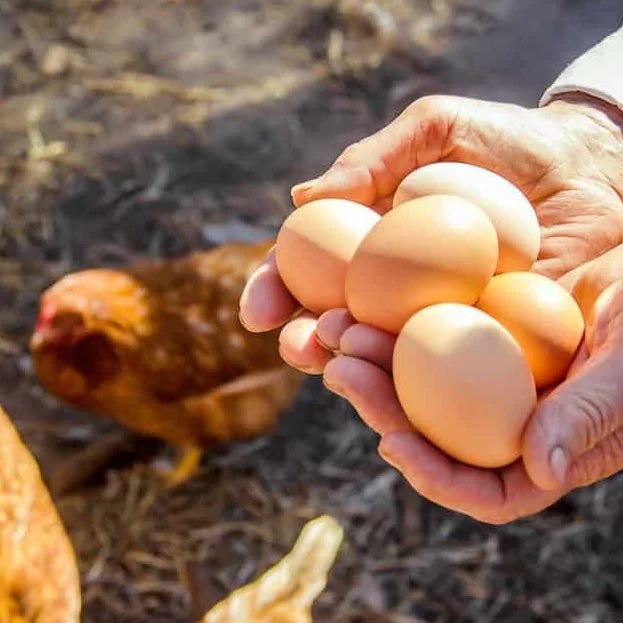
Use a complete ration appropriate to age and laying status, with fresh water and sensible limits on extras. Heavy layers may face particular reproductive or nutritional demands, but both hybrid and pure breed hens can become ill and need veterinary attention.
Temperament and mixed flocks
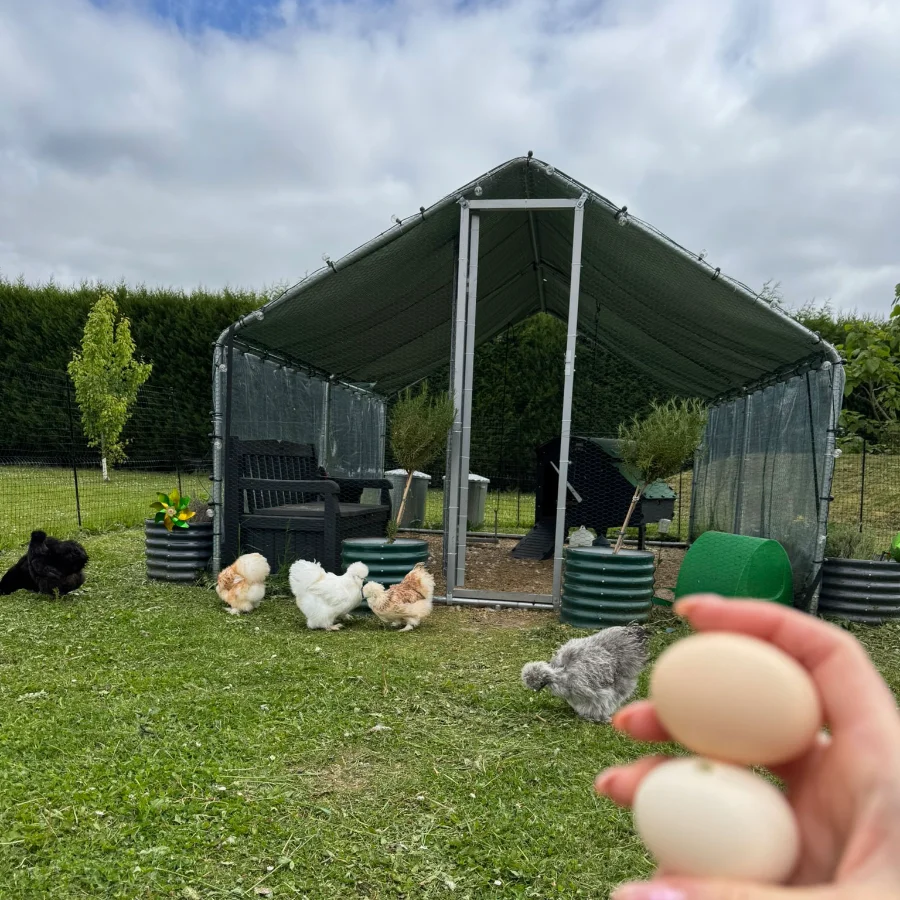
Calm individuals occur in both groups. Consider adult size, confidence and mobility when mixing hens, and avoid overwhelming timid or delicate birds. Provide several resource points and enough space to move away from other flock members.
Space, housing and the Australian climate
All hens need secure shelter, appropriate ventilation, shade and dry ground. A small breed still needs room for normal activity; a productive hybrid still needs enrichment. Check local council requirements and prepare for summer heat as well as wet or cold spells.
Which is best for you?
Compare the individual breed guides and ask about the birds’ age, history and needs. Choose a compatible group that fits your property and long-term plans. Colour, novelty and a headline egg number should not be the only deciding factors.
