Everyday care essentials
Plan dry bedding, safe perches, good ventilation, fresh water and an appropriate complete ration. A suitable home supports your flock’s day-to-day wellbeing.
Explore housing ›

Wry neck describes an abnormal head or neck position. It can occur with nutritional, neurological, infectious or injury-related problems. The appearance alone does not establish the cause or the correct treatment.
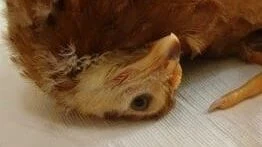
Different conditions can affect coordination. Nutrient deficiencies are only one possibility, and guessing a vitamin treatment can delay the right care.
Arrange prompt veterinary assessment. Keep the bird in a quiet, padded, secure area where it cannot fall or be pecked. Place normal feed and water within safe reach if the bird can swallow normally. Do not force liquids or food into its beak.
Feed a complete ration suited to the bird’s age and purpose, store feed correctly and reduce injury hazards. Discuss any supplementation with your vet.
Inability to swallow, seizures, collapse or sudden severe loss of balance require urgent help. If several birds are affected or deaths occur, contact your vet and the Emergency Animal Disease Hotline.
Content checked 10 November 2026. General information; not an individual veterinary assessment.
Plan dry bedding, safe perches, good ventilation, fresh water and an appropriate complete ration. A suitable home supports your flock’s day-to-day wellbeing.
Explore housing ›Record changes in appetite, droppings, laying, movement and breathing. Tell the vet about recent arrivals, feed changes and any medicines already used.
Browse the health guides ›If your chicken is unwell, contact a poultry-experienced veterinarian. Take notes on signs, when they started and how many birds are affected. Photos or a short video may help your vet.
For general questions about preparing a home for your birds, browse our care guides or visit our contact page.
Contact usHealth checker ›