Everyday care essentials
Plan dry bedding, safe perches, good ventilation, fresh water and an appropriate complete ration. A suitable home supports your flock’s day-to-day wellbeing.
Explore housing ›

Lethargy is a sign, not a diagnosis. Infection is one possibility, but reproductive problems, parasites, poor nutrition, injury and environmental stress can also make a chicken unwell. Testing may be needed to find the cause.
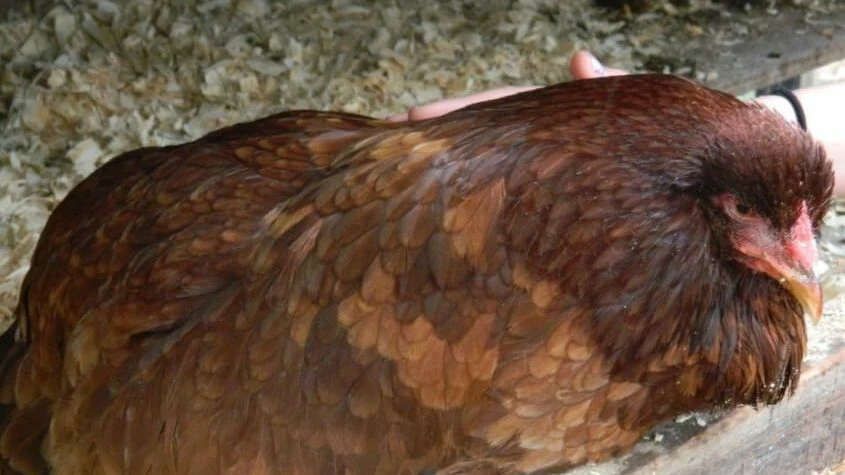
Several illnesses share these signs. Do not assume that every tired hen has a bacterial infection or needs antibiotics.
Contact a poultry-experienced vet promptly. Keep a record of when signs began, birds affected, feed changes and recent arrivals. If safe, provide a quiet separate pen with suitable temperature, ventilation and easy access to water and normal feed.
Use clean equipment, dry housing, appropriate feed and a quarantine plan agreed with your vet. Observe the flock daily so changes are noticed early.
Collapse, inability to drink, severe breathing difficulty or rapid deterioration need emergency veterinary help. Multiple unexpectedly sick or dead birds should also be reported to the Australian Emergency Animal Disease Hotline.
Content checked 10 November 2026. General information; not an individual veterinary assessment.
Plan dry bedding, safe perches, good ventilation, fresh water and an appropriate complete ration. A suitable home supports your flock’s day-to-day wellbeing.
Explore housing ›Record changes in appetite, droppings, laying, movement and breathing. Tell the vet about recent arrivals, feed changes and any medicines already used.
Browse the health guides ›If your chicken is unwell, contact a poultry-experienced veterinarian. Take notes on signs, when they started and how many birds are affected. Photos or a short video may help your vet.
For general questions about preparing a home for your birds, browse our care guides or visit our contact page.
Contact usHealth checker ›