Good With Most
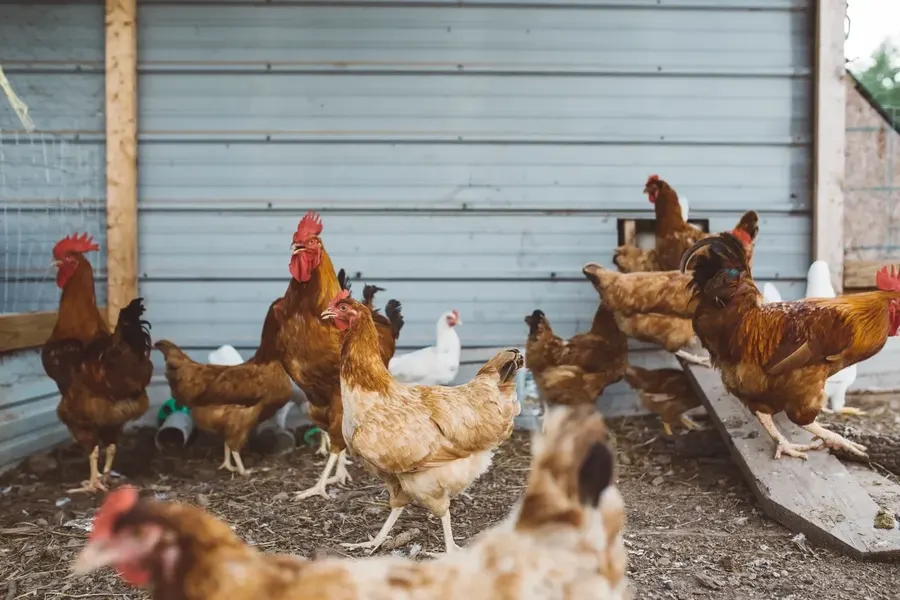
Often suitable for a mixed flock with gentle companions. Consider individual temperament, provide enough space, and supervise introductions carefully.
Chicken buying guide ›
Discover the distinctive charm of Dutch Bearded (Owlbeard) chickens.
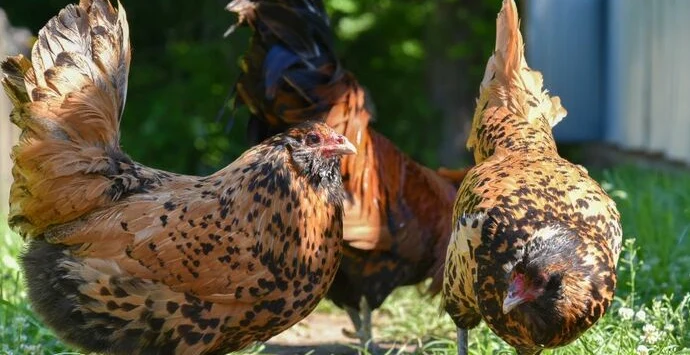
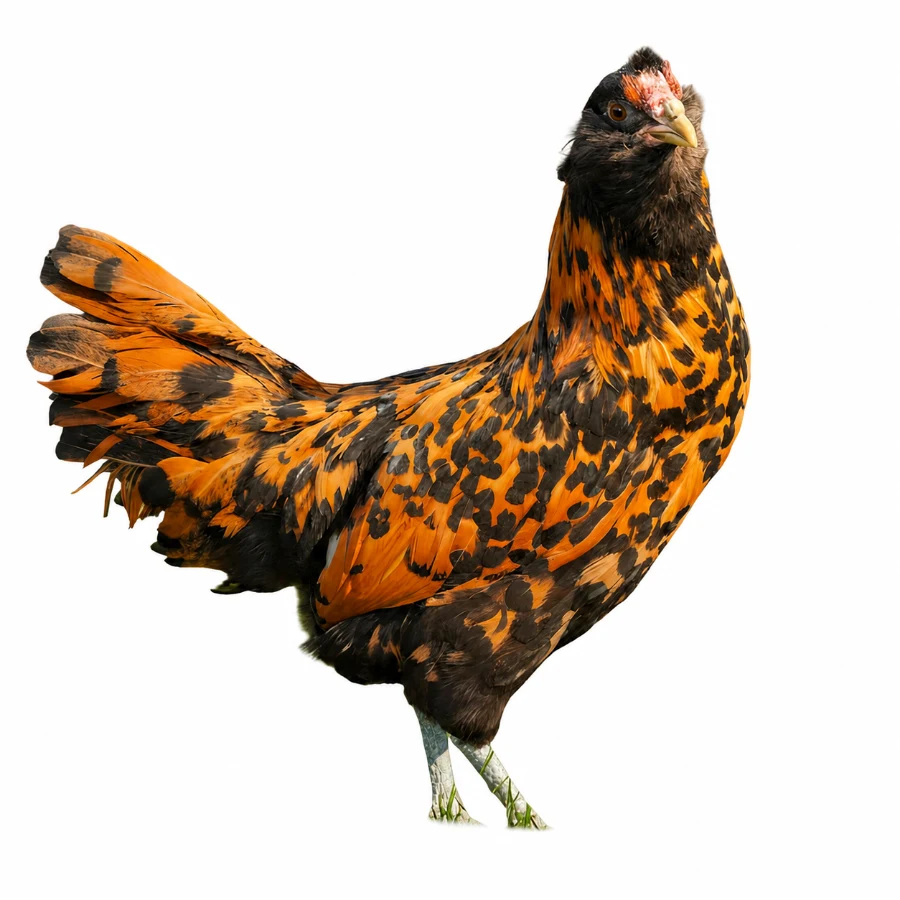
Dutch Bearded chickens, also known as Owlbeards, are medium to large pure-breed hens with distinctive fluffy beard muffs. Their speckled plumage comes in a range of colours, while their clean, unfeathered legs make their appearance especially striking.
Often gentle, friendly and inquisitive, they can make rewarding garden companions once they have settled and gained your trust. They enjoy foraging and perching, and suit a spacious, enriched run or supervised garden setting. Choose flock companions thoughtfully, as more assertive birds may bully a gentler hen.
Often suitable for a mixed flock with gentle companions. Consider individual temperament, provide enough space, and supervise introductions carefully.
Chicken buying guide ›
With calm, patient handling, these curious hens can become friendly companions. Give new birds time to settle and supervise children around chickens.

An approximate annual range of medium to large white eggs. Laying varies with the individual hen, age, season and care; some hens may occasionally become broody.
Dutch Bearded hens are often sweet-natured and people-friendly. They may be a little timid at first, so a quiet routine and patient handling give them time to settle. Once trust develops, they can become affectionate garden companions.
Although they are a medium to large breed, they are generally gentle. A mixed flock may suit them well, provided companions are chosen with care and introductions are supervised. Watch for bullying from larger or more assertive birds.
Smart and inquisitive, they enjoy exploring, foraging and perching. Some hens may go broody from time to time, and individual behaviour varies.
These active hens benefit from a spacious walk-in run or a secure area where they can scratch and forage. Provide varied enrichment, suitable perches and somewhere to dust bathe, rather than expecting them to remain occupied in a bare enclosure.
They can fly, so an enclosed, predator-resistant run is useful when you cannot supervise garden time. Give them a comfortable house with suitable roosting bars and safe access by ramp or ladder.
For an Australian garden, plan reliable shade, ventilation and fresh drinking water for hot weather, along with dry shelter from wind and rain. Gentle handling, patient introductions and enough room for every bird help create a settled flock.
The Dutch Owlbeard is one of the oldest Dutch chicken breeds. It is recognised by its beard and muffs, which cover the earlobes, together with its distinctive horned comb and prominent nostrils. Birds of this type appeared in Dutch art in the seventeenth century.
The breed was standardised in the Netherlands in 1882. Its numbers declined towards the end of the nineteenth century, and breeders worked to revive it in the early twentieth century by gathering remaining birds and rebuilding the population.
Today Owlbeards are particularly appreciated by ornamental and exhibition poultry enthusiasts. Their unusual appearance, character and white eggs also make them an interesting breed for keepers planning a carefully managed garden flock.