Bomb Proof
Often calm and sturdy, Brahmas can be confident flock members. Every bird still needs gentle care and protection from bullying; supervise introductions and provide enough space and resources.
Chicken buying guide ›

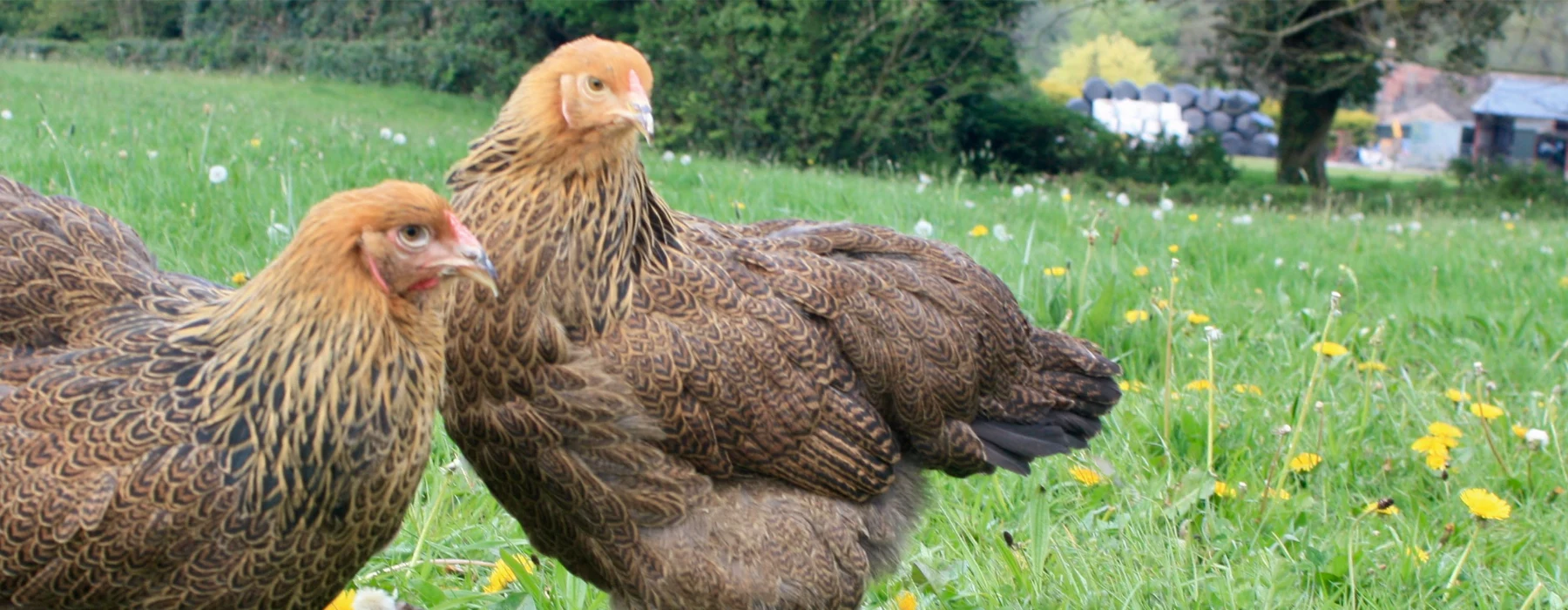
Meet the gentle giants of the garden: beautiful Brahma chickens.
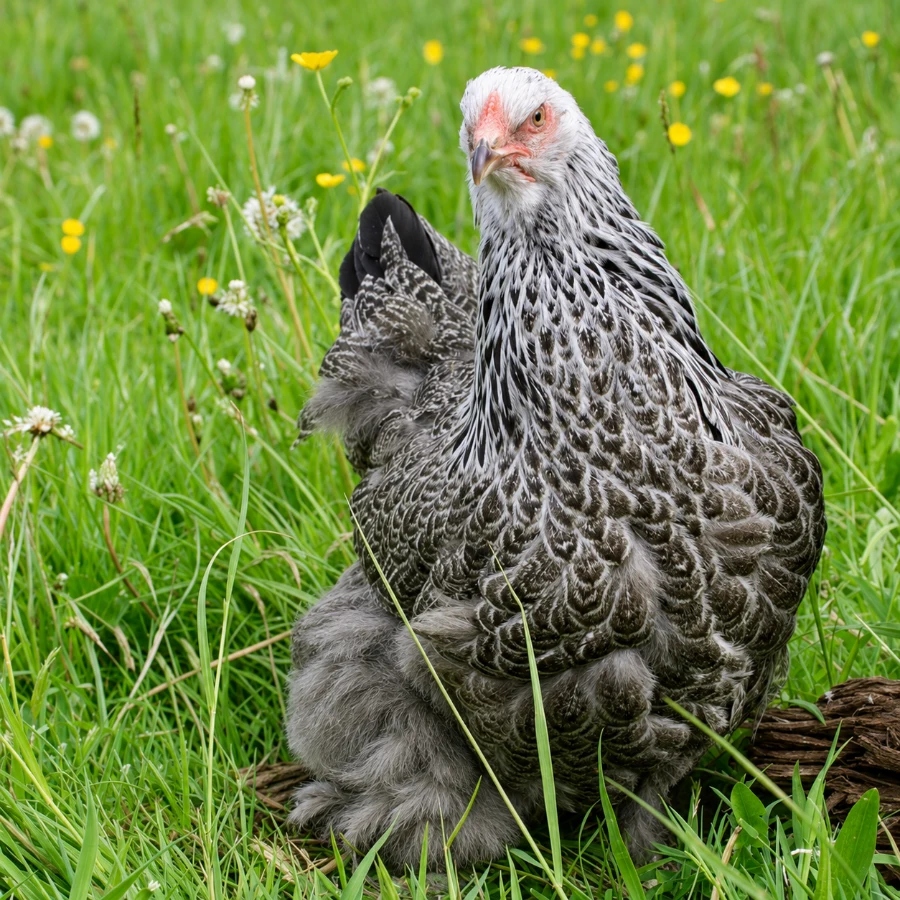
Brahmas are impressive, large chickens with abundant feathering, feathered legs and a calm presence. Their striking plumage and gentle reputation make them appealing birds for a thoughtfully planned garden flock.
Often friendly and inquisitive once settled, they enjoy exploring and foraging at their own pace. Their size calls for spacious housing, sturdy low perches and easy access to the house.
Cream to light-brown eggs are typical, with laying varying between individuals and seasons. For Australian gardens, good shade, ventilation and dry footing are especially important for these heavily feathered birds.
Often calm and sturdy, Brahmas can be confident flock members. Every bird still needs gentle care and protection from bullying; supervise introductions and provide enough space and resources.
Chicken buying guide ›
Their gentle reputation and inquisitive nature can make them enjoyable companions. Build trust patiently, support their large bodies when handling and always supervise children around chickens.

An approximate guide to annual laying potential. Egg size, cream-to-brown shell shade and output vary with age, season, nutrition and individual care.
Brahmas are often described as gentle, steady and sociable. They may enjoy pottering around the garden near their keeper, investigating their surroundings and becoming familiar with a regular routine.
Some birds become comfortable with gentle handling over time. Respect each bird’s preferences, support their body carefully and always supervise children around these large chickens.
A calm reputation does not guarantee compatibility with every flock. Introduce birds gradually and watch individual behaviour, providing several feeding, drinking and resting opportunities so quieter hens are not overwhelmed.
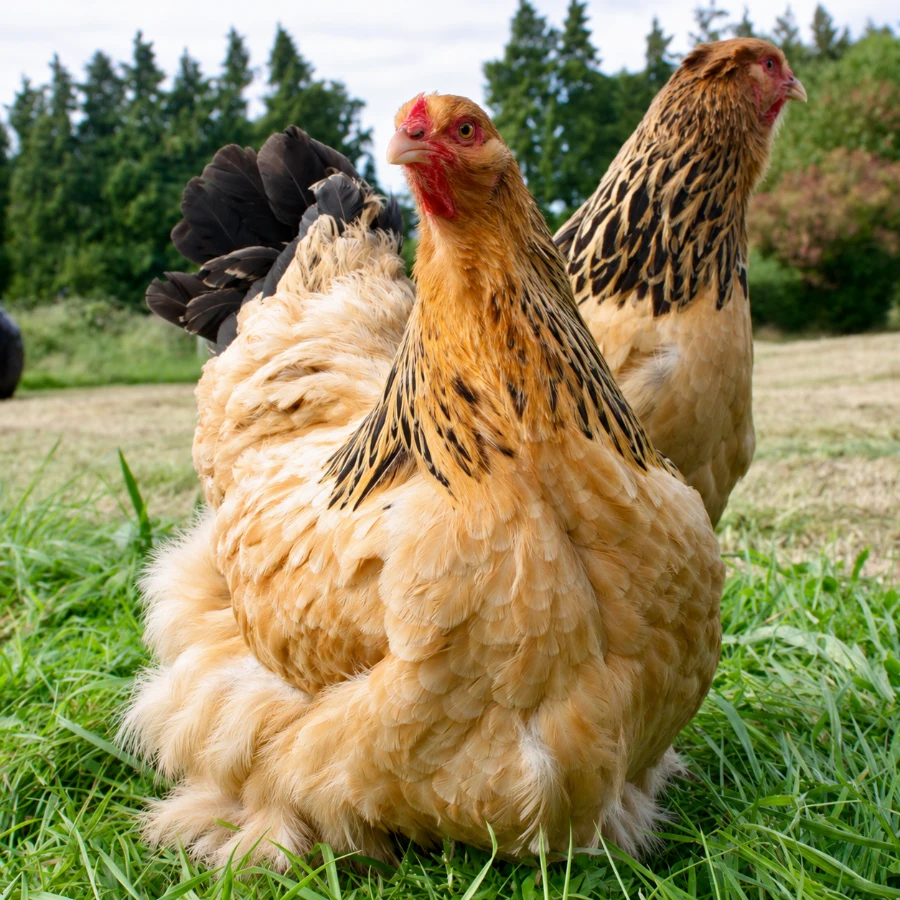
Plan generous floor space, broad access points and a secure run that comfortably accommodates large birds. Low, sturdy perches and gentle ramps reduce the need for jumping, with a safe house for the night.
In Australian conditions, prioritise ample shade, good ventilation and plentiful fresh drinking water during hot weather. Provide dry shelter from rain and wind, and feed an appropriate complete ration rather than allowing treats to replace balanced nutrition.
Feathered feet need clean, dry footing and regular checks for trapped mud or debris. Keep bedding dry, provide a sheltered dust-bathing area and check fencing and housing regularly. Supervised garden time and suitable enrichment add variety.
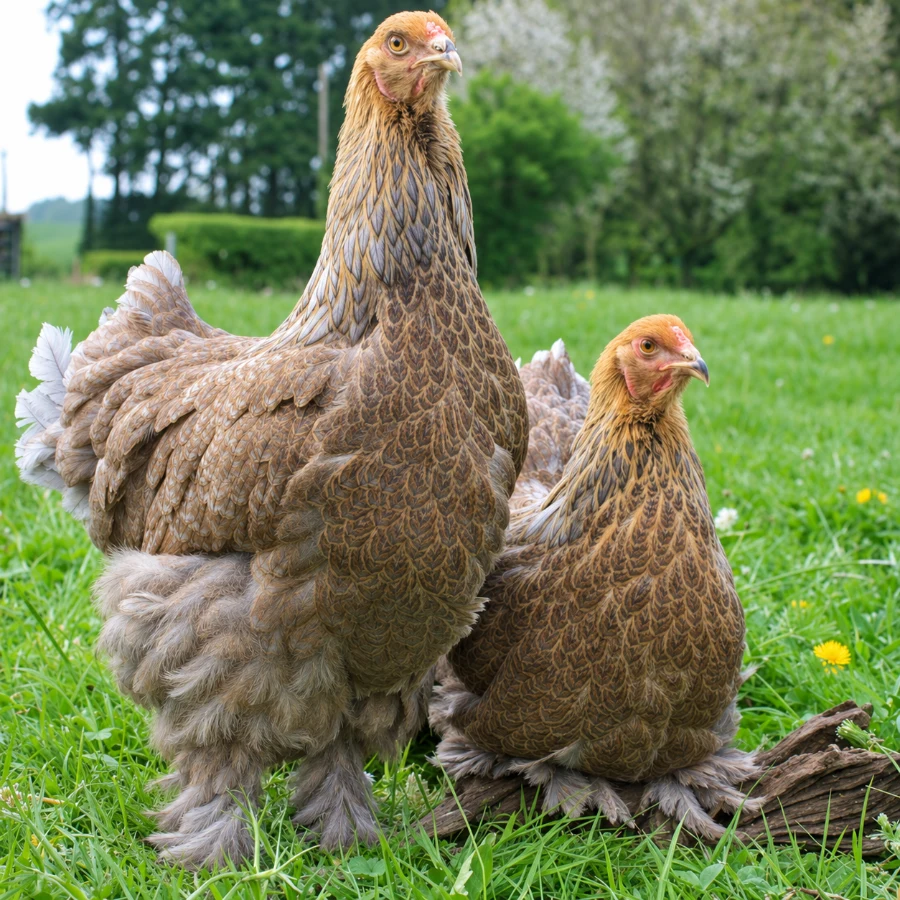
Brahmas developed from large Asian-origin chickens brought to North America during the nineteenth century. Early imported birds were associated with the Shanghai name, before breeding established the Brahma as a distinctive large fowl.
Their substantial size first attracted interest for practical poultry keeping, while their striking feather patterns and feathered legs also made them popular exhibition birds. The breed later spread widely among poultry enthusiasts.
Today Brahmas are kept for their appearance, companionship and eggs. Their size and abundant feathering remain central to planning suitable housing, with particular attention to heat management in Australian gardens.