In this guide
A first-time chicken keeper’s checklist
Prepare daily care, compatible company and a secure setup before birds arrive. Ask about age, health history, sexing limitations and the needs of the breeds you are considering.
Check Australian requirements
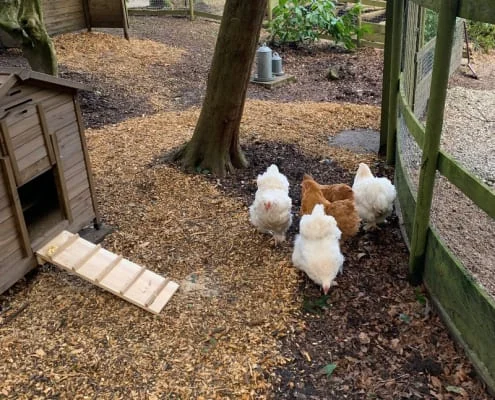
Ask your council about poultry numbers, roosters, setbacks and nuisance management. Check relevant animal-health and movement rules. Plan veterinary access and holiday care.
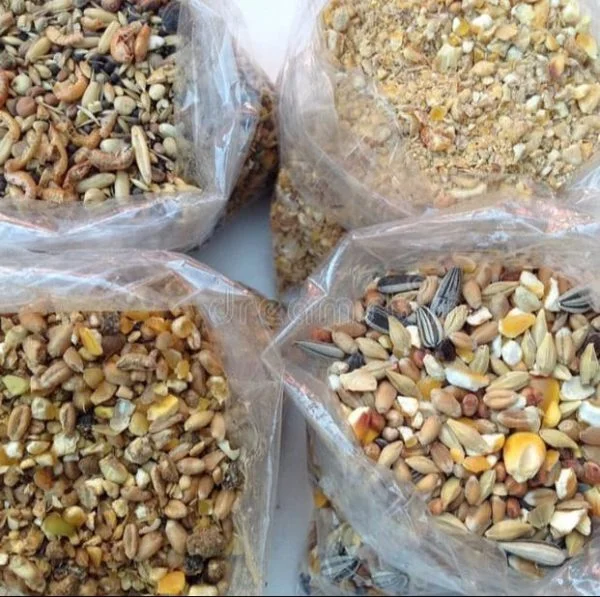
Allow appropriate space
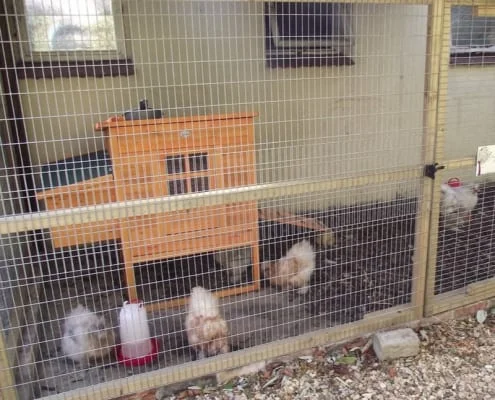
Match house and run space to adult birds, compatibility and time enclosed. Leave room to move and retreat rather than relying only on a product capacity. New birds also require quarantine facilities.
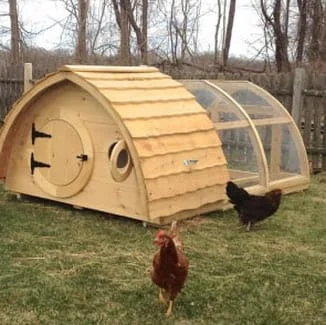
Choose secure housing
Provide predator-resistant construction, secure locks, ventilation and shelter. Do not assume a breed cannot escape because it rarely flies. Plan summer shade and dry areas for wet weather.
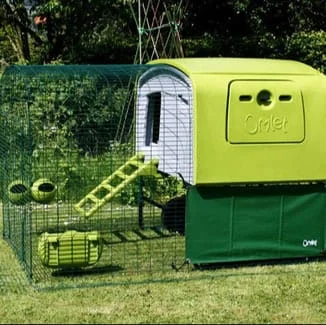
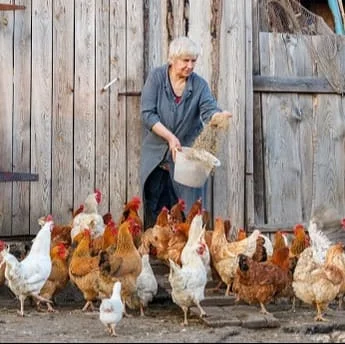
Keep housing clean
Remove wet bedding and organic debris. Use appropriate cleaning products according to their labels and allow safe drying. No disinfectant kills every organism or prevents every parasite problem.
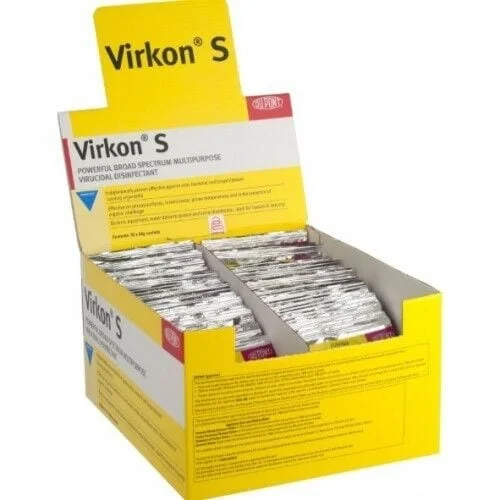
Select suitable bedding
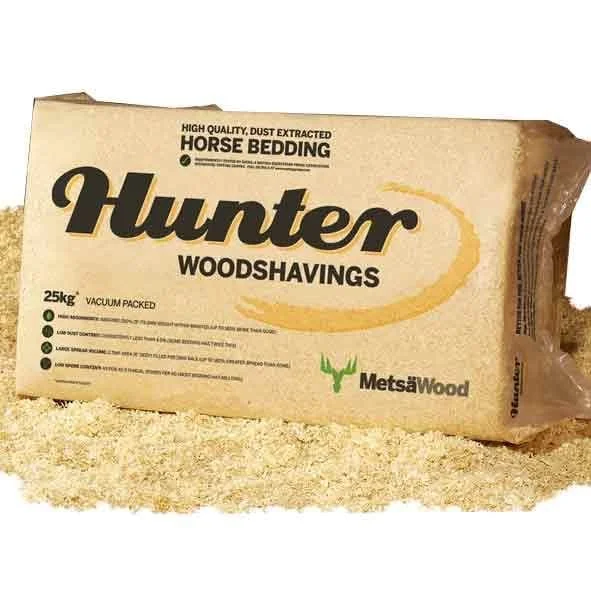
Use clean, dry, absorbent poultry bedding. Avoid mould, excessive dust and uncertain chemical treatments. Repair leaks and replace soiled material instead of repeatedly covering it.
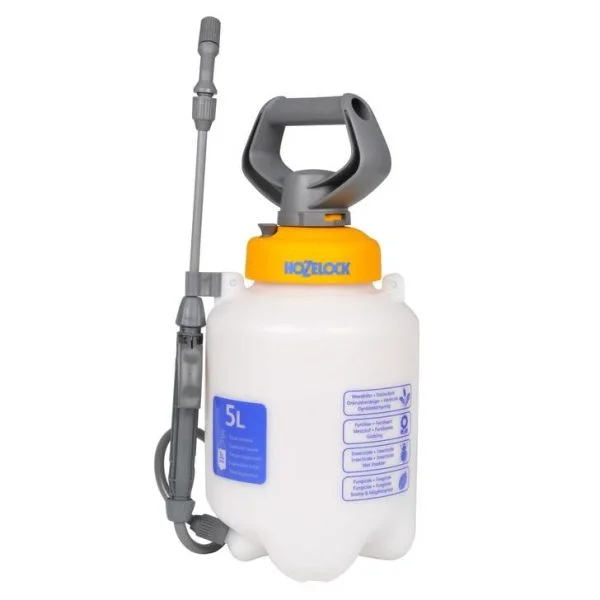
Provide feeders and drinkers
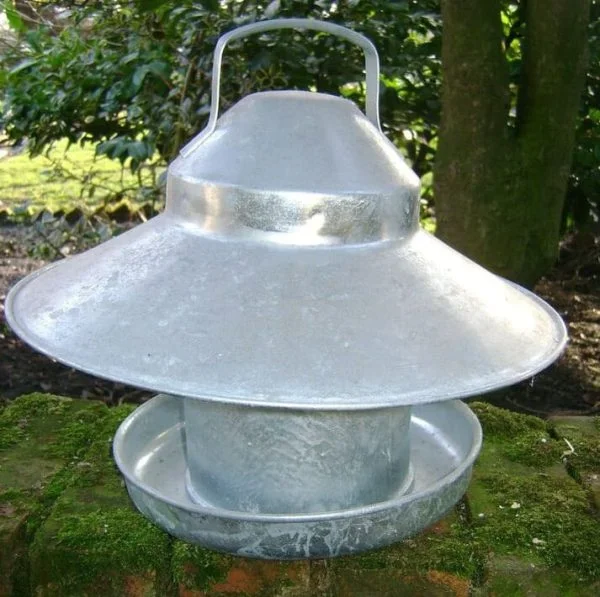
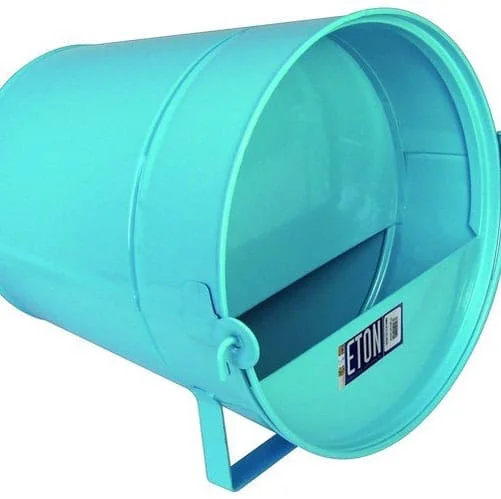
Choose equipment the smallest bird can use and enough access to reduce competition. Keep feed sheltered and water clean, store feed securely and clear spills.
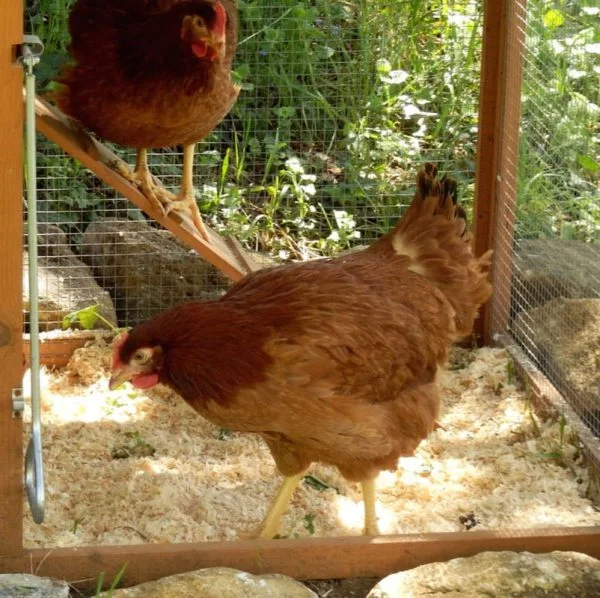
Use an appropriate diet
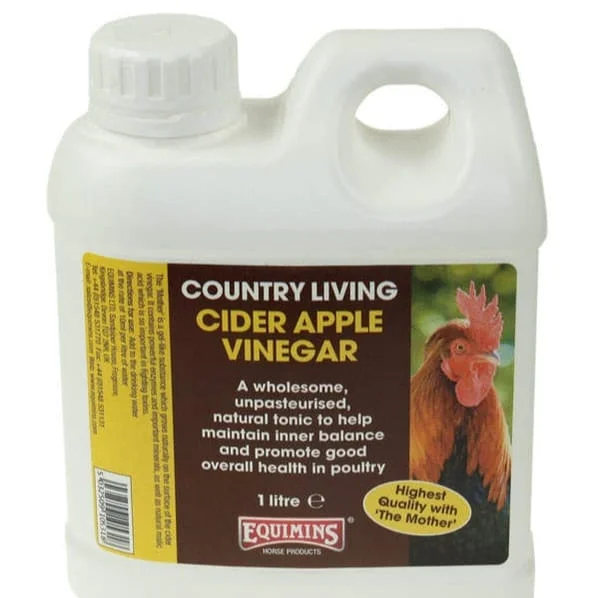
Feed chicks, growing birds and laying hens according to their needs. A complete ration is the foundation; treats and foraging are additions. Supplements should address an identified need with suitable advice.
Observe and plan introductions
Check appetite, behaviour, droppings and condition and seek help for changes. Follow a veterinary quarantine and introduction plan, keep health records and care for hens beyond their main laying years.