
In this guide
What is feather moulting?
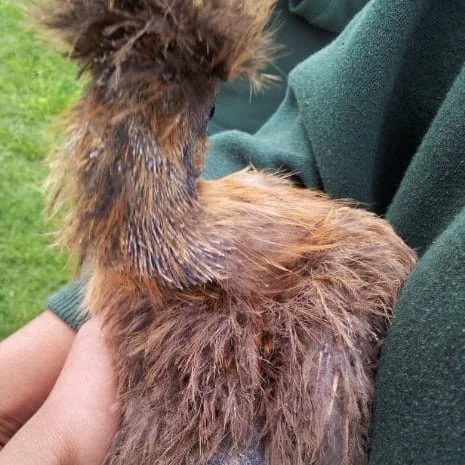
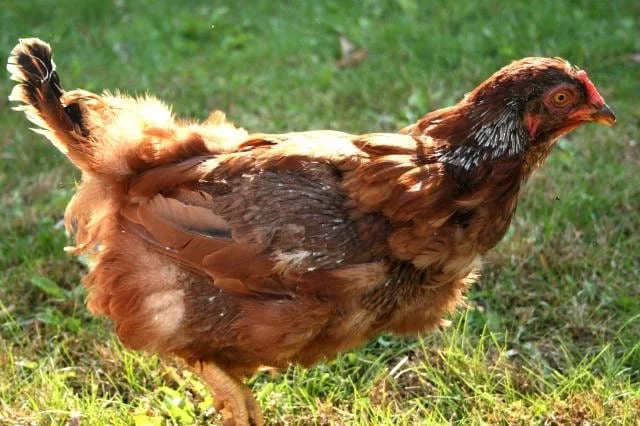
Moulting is the normal replacement of feathers and can coincide with reduced laying. Timing and appearance vary with age, breed and conditions. Not every bald area is a moult: parasites, pecking, injuries and illness can also cause feather loss.
Timing in Australia
Seasonal day length can influence moulting, but Australian climates and individual birds differ. Avoid applying a northern-hemisphere month-by-month timetable. Observe the bird and the appearance of new feathers rather than relying only on a date.
Behaviour during a moult
New feathers may be sensitive, so use gentle handling and watch for other hens pecking them. Some birds are quieter during a moult, but weakness, persistent poor intake or breathing changes should not be dismissed as normal.
Moult or illness?
Check the skin, feather shafts and the bird’s general condition. Sore or bleeding skin, intense itching, weight loss or an infestation requires investigation. A veterinarian can help distinguish normal feather replacement from a health problem.
Nutrition and housing
Keep an appropriate balanced ration and fresh water available, with dry shelter and enough feeding access. Do not replace the main feed with rich treats or give unprescribed vitamin doses. Claims that a spice or tonic reliably accelerates feather growth should not guide care.
Blood feathers
A growing feather can contain a blood supply. Do not cut or pull it casually. If a feather bleeds or the bird is injured, obtain veterinary guidance promptly and protect her from further pecking.
Useful observations
Note where feathers are being lost, whether new feathers are emerging, changes in laying, appetite and body condition, and any scratching or skin damage. These details help decide whether the bird needs assessment.
