

In this guide
Egg binding is a veterinary concern
Egg binding describes a hen having difficulty passing an egg. Similar signs can occur with other reproductive or abdominal problems, so a website or photograph cannot establish the diagnosis. Affected hens can deteriorate quickly.

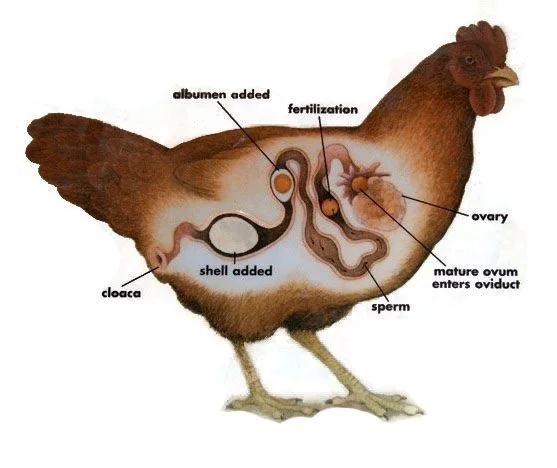
How egg laying normally works
An egg develops through the reproductive tract before passing through the cloaca. Age, nutrition and health can affect this process. An abnormal laying pattern does not by itself identify where a problem has occurred.
Signs that need prompt attention
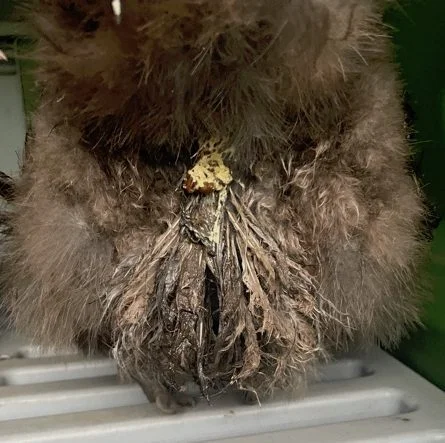
Repeated straining, weakness, unusual posture, reduced movement, abdominal swelling or time spent on the nest can be warning signs. Watch for difficulty breathing, reduced droppings or failure to eat or drink. Treat a distressed or weak hen as urgent.
What to do first
Phone a poultry-experienced veterinarian and describe the signs and timing. Keep handling minimal and provide suitable quiet shelter while arranging help. Do not squeeze the abdomen, insert tools or fingers, attempt to break an egg or pull anything from the vent.
Avoid unprescribed home treatments
Do not give human painkillers or guess supplement doses. Baths, oils, massage and forced food or fluids can cause harm or delay necessary care. Ask the vet about safe transport and any immediate steps for the individual bird.
Diagnosis and treatment
The veterinarian may examine the hen and use imaging or other tests to identify the cause. Treatment depends on the findings and the bird’s condition. Do not assume all apparent egg-binding cases need the same medicine or procedure.
Supporting long-term laying health
Provide a suitable complete ration, fresh water, appropriate activity and regular observation. Keep notes on laying, shell changes and body condition. Review recurring problems with your vet rather than repeatedly treating an assumed deficiency.
Five observations to tell the vet
Record when normal laying changed, whether the hen is straining, whether she can walk normally, what she is eating and drinking, and whether droppings or breathing have changed. Do not wait to collect every detail if she is severely unwell.
