In this guide
Are chickens better in breed pairs?
Chickens need appropriate chicken companionship. Familiar or similar birds may settle well together, but a breed match alone does not guarantee compatibility. Assess adult size, confidence, mobility and the whole group.
Consider the whole flock
A pair is not a solution to bullying or inadequate housing. Allow room to retreat and several feeding and drinking points. Use quarantine and gradual introductions for newcomers.
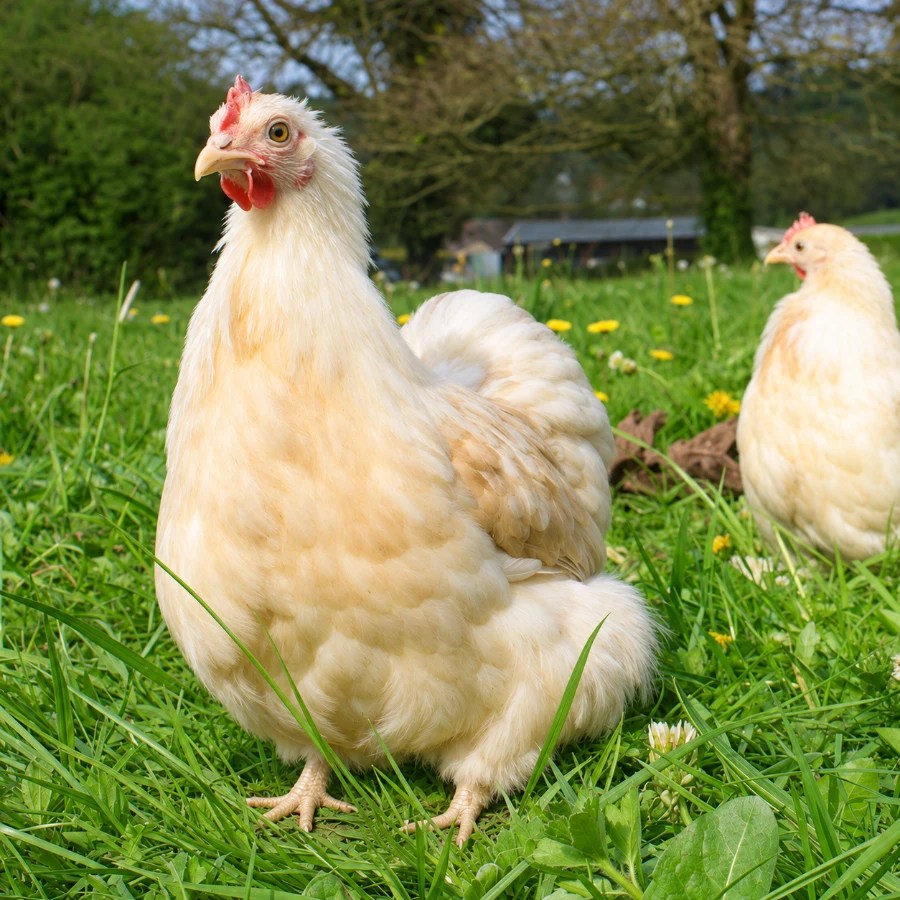
Padovana and crested chickens
Crests can affect vision and confidence. Choose calm companions and clear routes to essentials. Observe individual behaviour instead of assuming all crested hens have the same temperament.
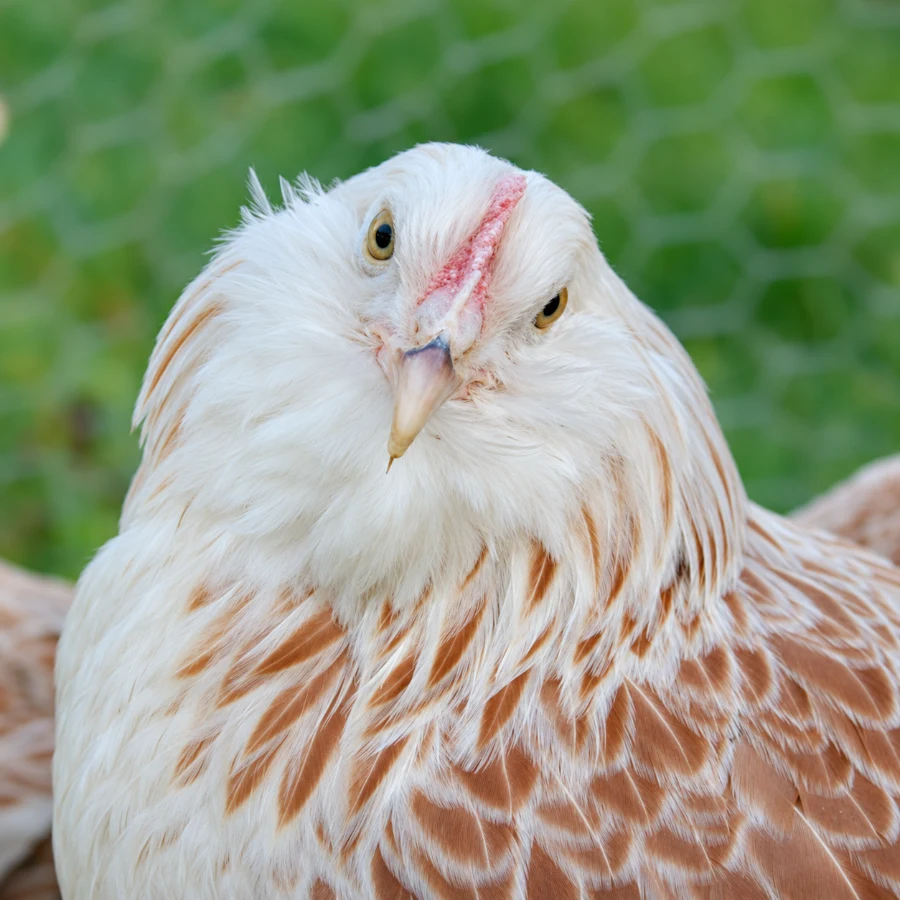
Bantam Polish and laced varieties
Small or ornate birds may be vulnerable to competition from larger, more assertive hens. Suitable companions and layout matter more than a blanket rule that a breed must always live in pairs.
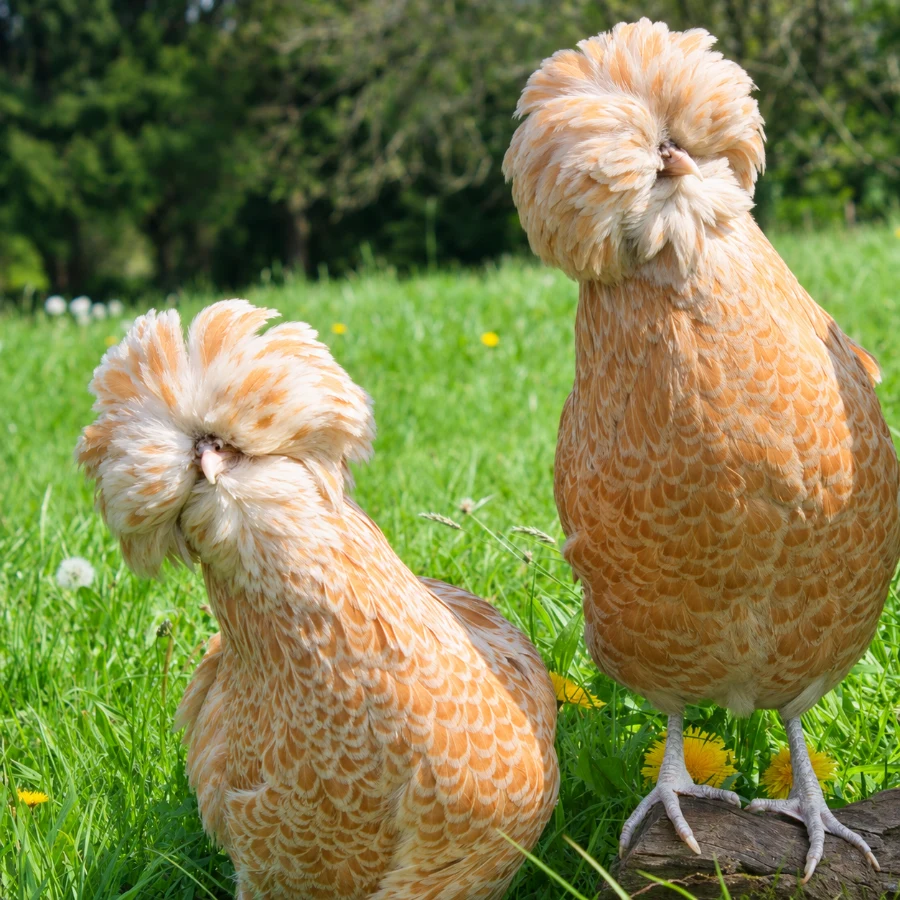
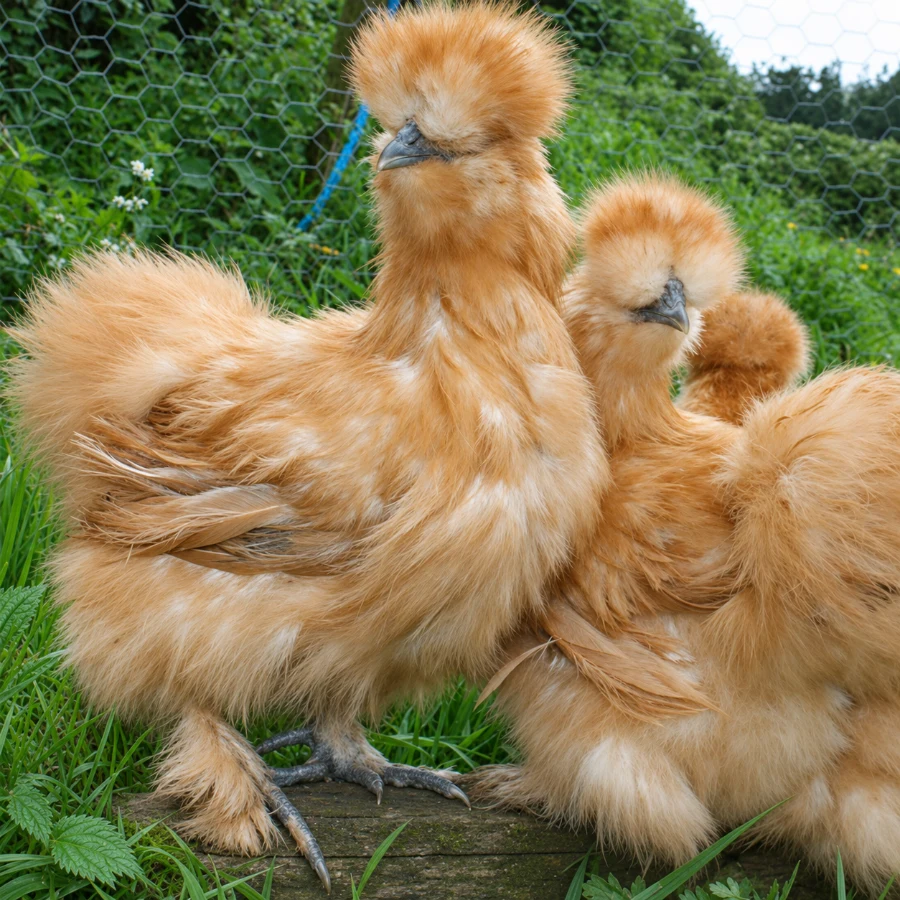
Bearded and non-bearded Silkies
Silkies benefit from gentle companions, dry shelter and easy low access. Watch eating, drinking and roosting. A second Silkie does not remove the need to monitor interactions.
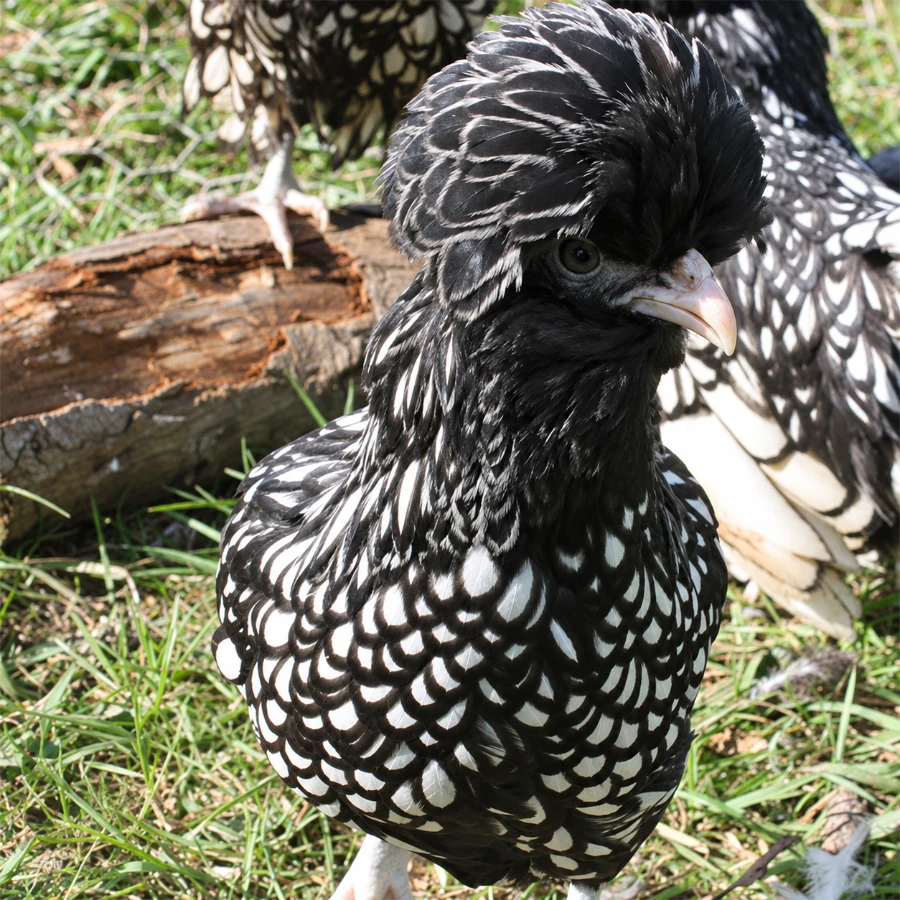
Bantam d’Uccles
Account for small size, feathered feet and individual confidence. Keep ground dry and protect timid birds from harassment. Respond promptly if a hen is excluded.
Bantam Faverolles
Provide calm company, space and accessible features. Individuals vary, so supervise introductions rather than judging compatibility from a breed stereotype.
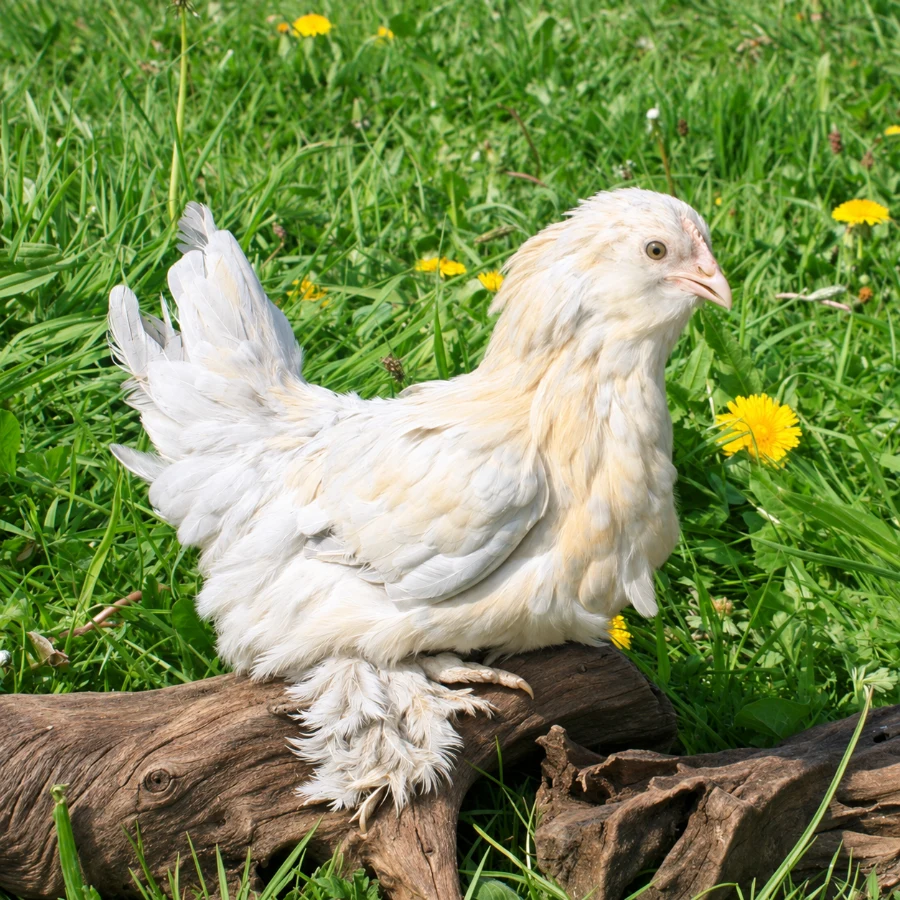
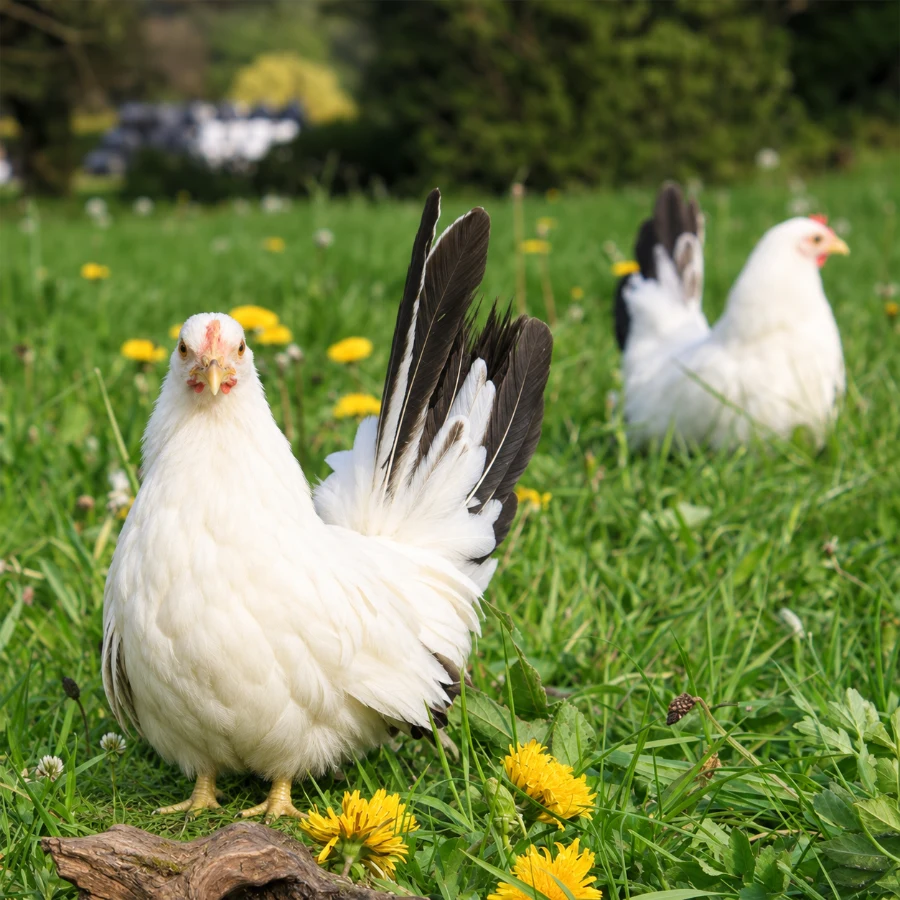
Japanese Bantams
Plan the setup for their size and mobility. Familiar companions can help settling, but monitor the whole flock and revise arrangements if conflict develops.
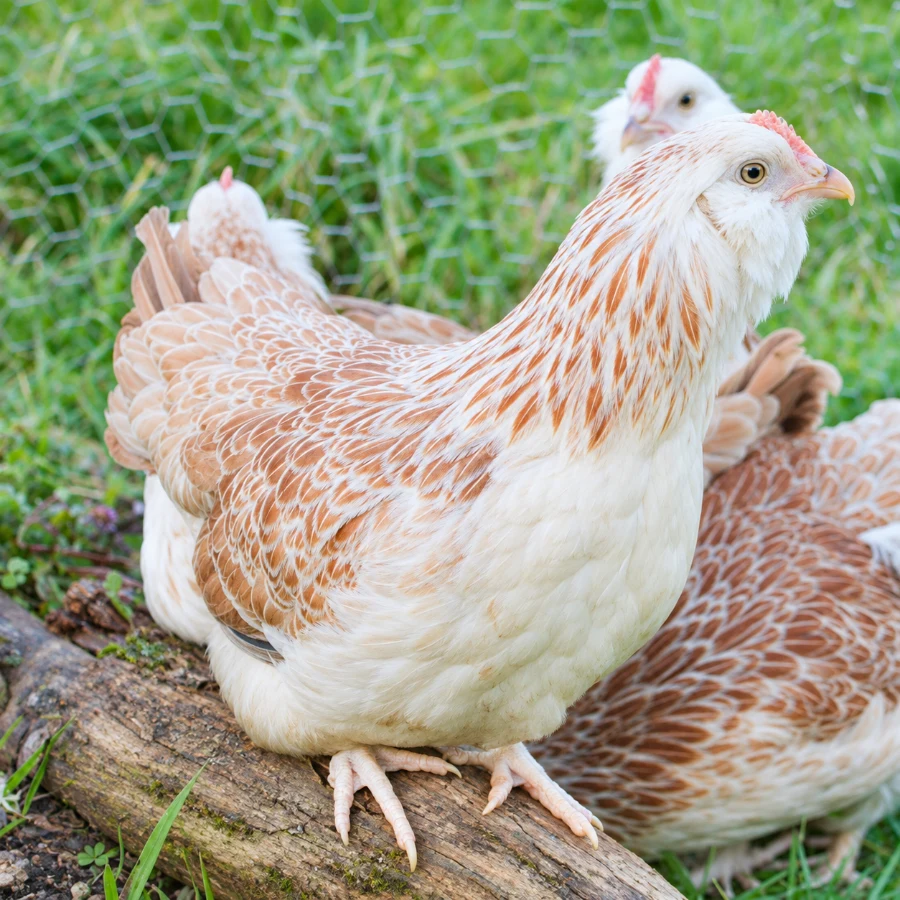
If a bird is isolated or bullied
Check for illness, wounds and poor resource access. Protect injured birds and obtain veterinary advice about health concerns. A withdrawn hen should not simply be labelled lonely or depressed.