
In this guide
Spring chicken care in Australia
Review your setup as local weather changes rather than following a northern-hemisphere calendar. Australian regions differ in heat and rainfall, so observe the flock and prepare for your own property’s conditions.
1. Clean and inspect the coop
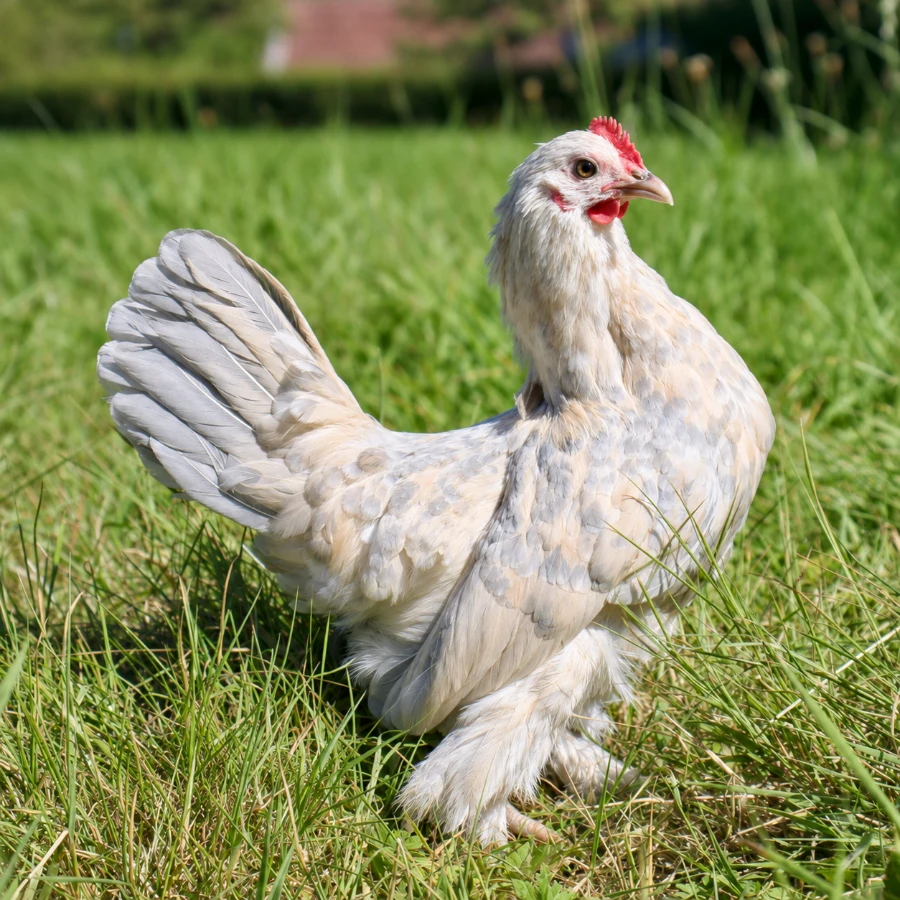
Remove wet or soiled bedding and inspect roofs, doors and ventilation. Use suitable products according to their labels and allow surfaces to dry. Repair damage before it becomes a welfare or security problem.

2. Refresh the dust bath
Provide sheltered dry soil or suitable sand, accessible without crowding. Keep it clear of sharp debris. Dust-bathing supports normal behaviour but is not a substitute for treatment of an infestation.
3. Check for parasites
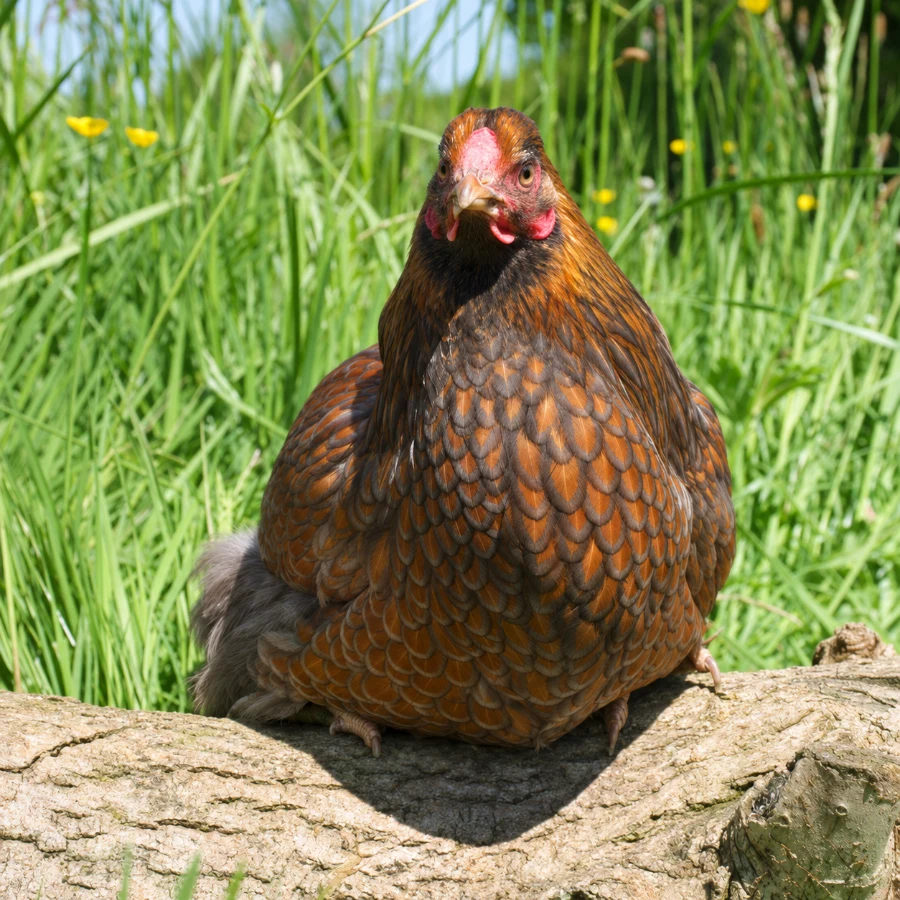
Inspect birds and housing and seek advice about suspected problems. Treatment depends on identification, the flock and the product. Check Australian laying-hen suitability and withholding instructions.
4. Review nutrition
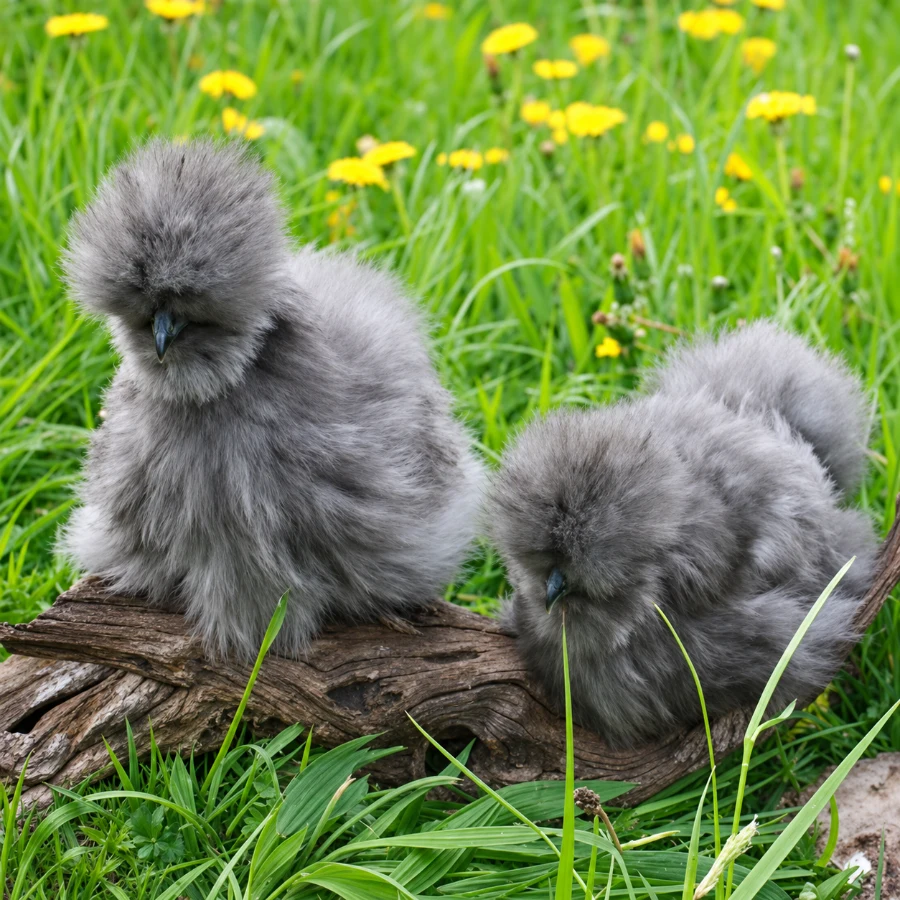
Use an appropriate complete ration and keep treats modest. Do not automatically increase vitamins or minerals with the season. Ask a vet about a specific nutritional concern.
5. Observe laying
Keep track of laying and shell changes. Age, moult, nutrition and health all matter. Investigate persistent concerns rather than assuming a seasonal change is harmless.
6. Check general health
Observe appetite, movement, droppings and condition. Protect hens from bullying and obtain veterinary advice for changes. Keep health and vaccination records.
7. Maintain water access
Clean drinkers and ensure every hen can reach water. Check more often in warm weather and add resource points if competition develops.
8. Plan biosecurity
Arrange quarantine and gradual introductions before adding birds. Keep equipment clean and follow relevant movement directions.
9. Check shade and airflow
Maintain shade through the day and avoid trapping heat in poorly ventilated housing. Shelter must also protect resting birds from driving rain.
10. Watch behaviour
Observe how the flock uses its space. A bird that is withdrawn, excluded or unwell needs attention. Make practical changes and seek help when necessary.
