

In this guide
Prepare the chicken coop for warmer Australian weather
Inspect the whole setup before hot days arrive: roof exposure, shade, airflow, water and run access. A house that works in winter may trap heat in summer.
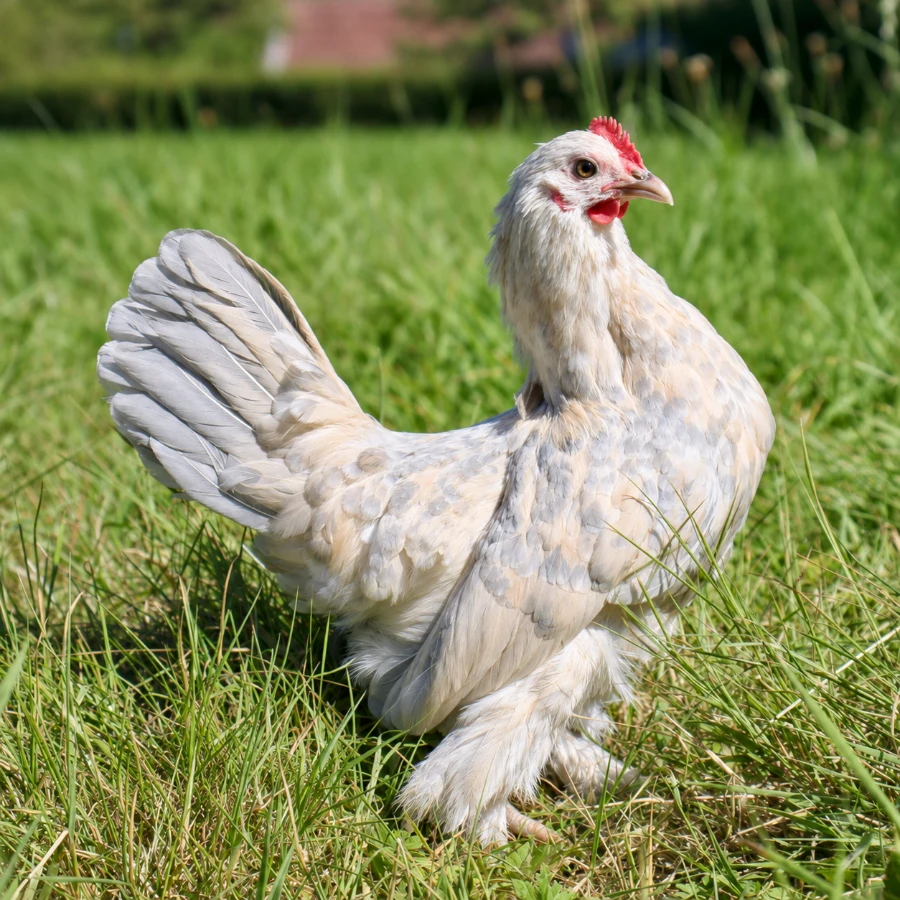
1. Ventilation without losing security
Allow air to move while keeping predators and escape routes in mind. Avoid sealing covers over vents or placing a house where surrounding structures prevent airflow.

2. Shade and shelter
Provide shade that remains useful as the sun moves. Secure covers against wind and inspect for pooled rainwater. Leave birds a choice of comfortable areas instead of forcing the whole flock into one crowded corner.
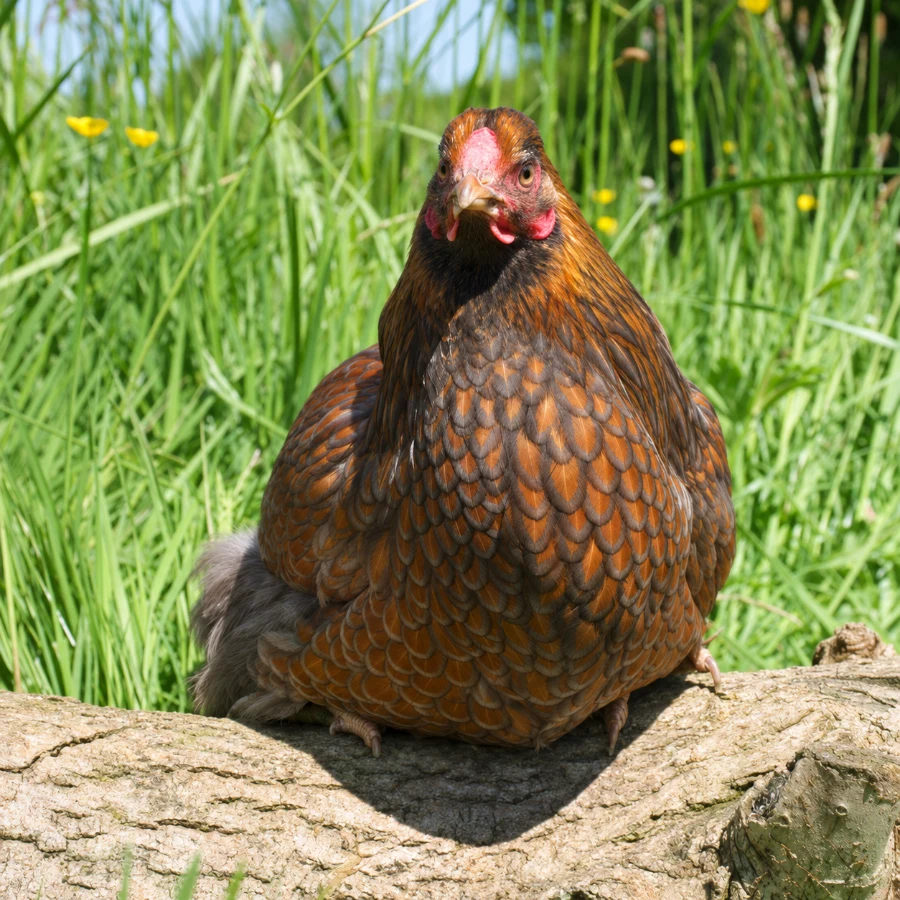
3. Water access
Use clean accessible drinkers in shade and check them frequently. Add points if dominant birds exclude others. Do not rely on treats or a single morning refill to meet water needs in hot weather.
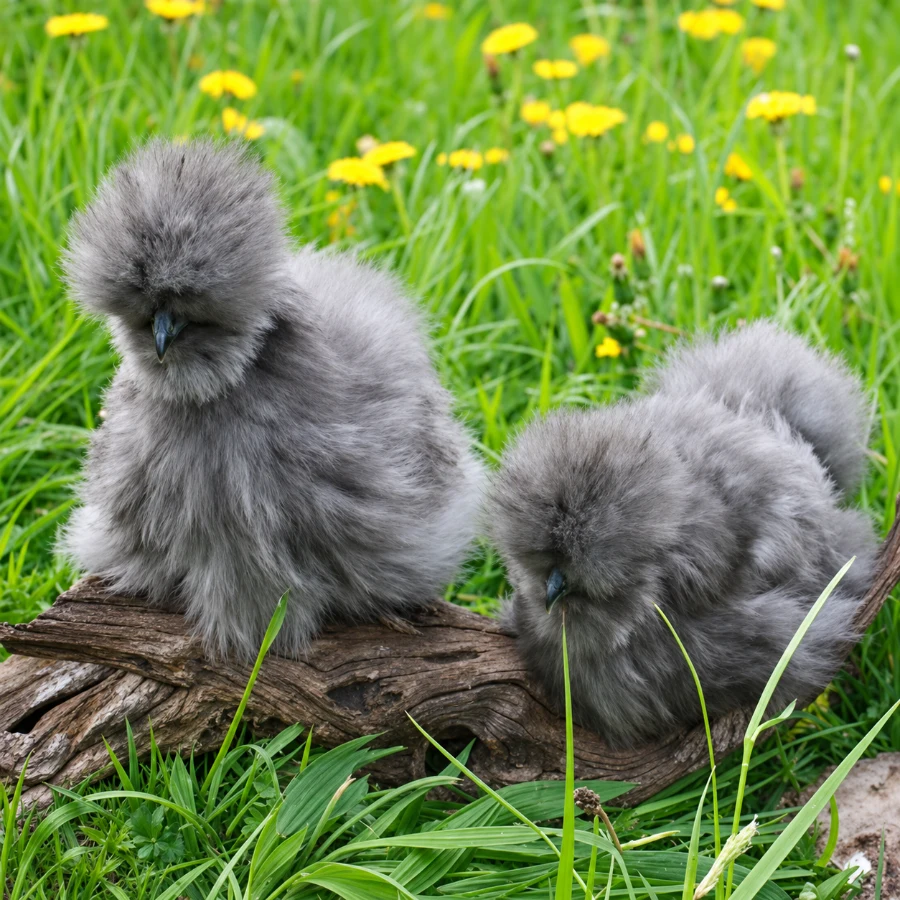
4. Dust-bathing and enrichment
Keep a dry dust-bathing area sheltered and suitable for normal behaviour. Use stable low features and enough open space. Do not add powdered chemicals as a general summer-care measure.
5. Security and fencing
Use a predator-resistant enclosure designed for the birds and your local risks. No fixed fence height or brand of electric netting guarantees containment or protection. Check gates, mesh, ground gaps and overhead access regularly.
Keep observing
Panting, persistent weakness or collapse can signal serious distress. Obtain veterinary advice promptly. Revise the setup as conditions change rather than relying on equipment alone.
