
In this guide
Welfare and egg production
Good welfare matters whether or not a hen is laying. A balanced diet, suitable housing and opportunities for normal behaviour support health and laying, but happiness cannot be measured from egg numbers or yolk colour alone.

Foraging and normal behaviour
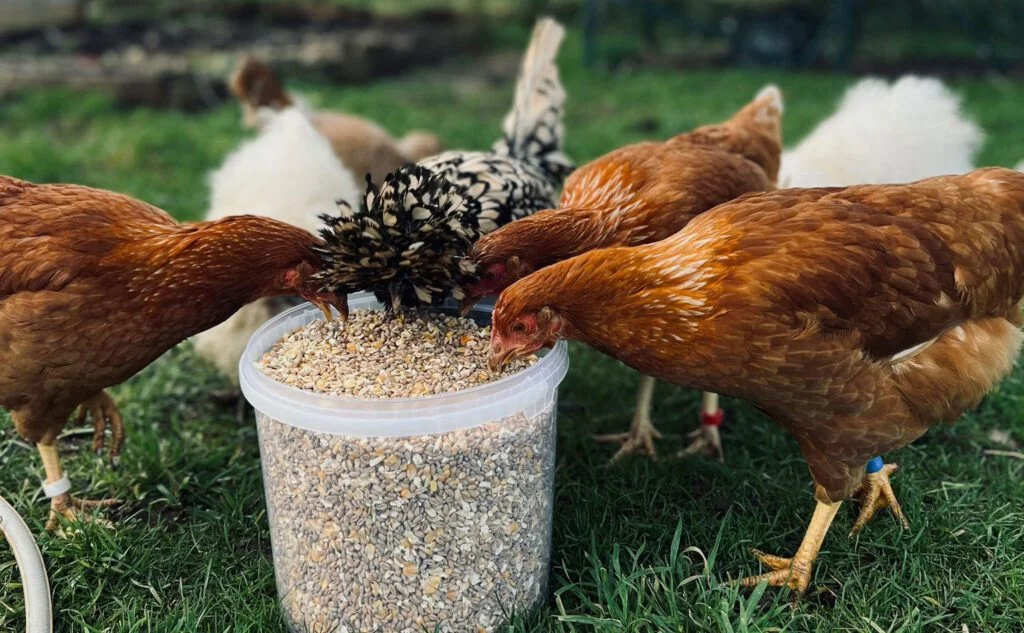
Safe opportunities to scratch, explore and search for food keep hens occupied. Foraging adds activity and interest but does not replace a suitable complete ration. Check the ground for chemicals, bait, toxic plants and other hazards.
Reduce avoidable stress
Provide enough space, secure shelter and several routes to food and water. Introduce new birds gradually after an appropriate quarantine plan. Watch whether quieter hens can escape conflict and access essentials.
Nutrition and shell quality
Use an appropriate balanced ration, clean water and sensible limits on treats. Weak shells or a sudden laying change may reflect several problems and should not automatically be treated as a simple deficiency. Ask a vet about persistent concerns.
Observe the whole bird
Appetite, activity, plumage, interactions and body condition give useful information alongside laying. A normally quiet breed is not automatically ill, but a change from an individual hen’s usual behaviour deserves attention.
Egg hygiene and expectations
Keep nesting areas clean, collect eggs regularly and follow safe food-handling practices. Age, moult, season and health affect laying. Good care does not guarantee daily eggs, particular shell colours or a fixed nutritional difference between eggs.
