

In this guide
How much space do backyard chickens need?
Assess the adult size and number of hens, their compatibility and how much time they spend enclosed. A house must provide enough usable room to rest, move and reach nest areas without crowding. A product capacity label is not a substitute for evaluating your flock.
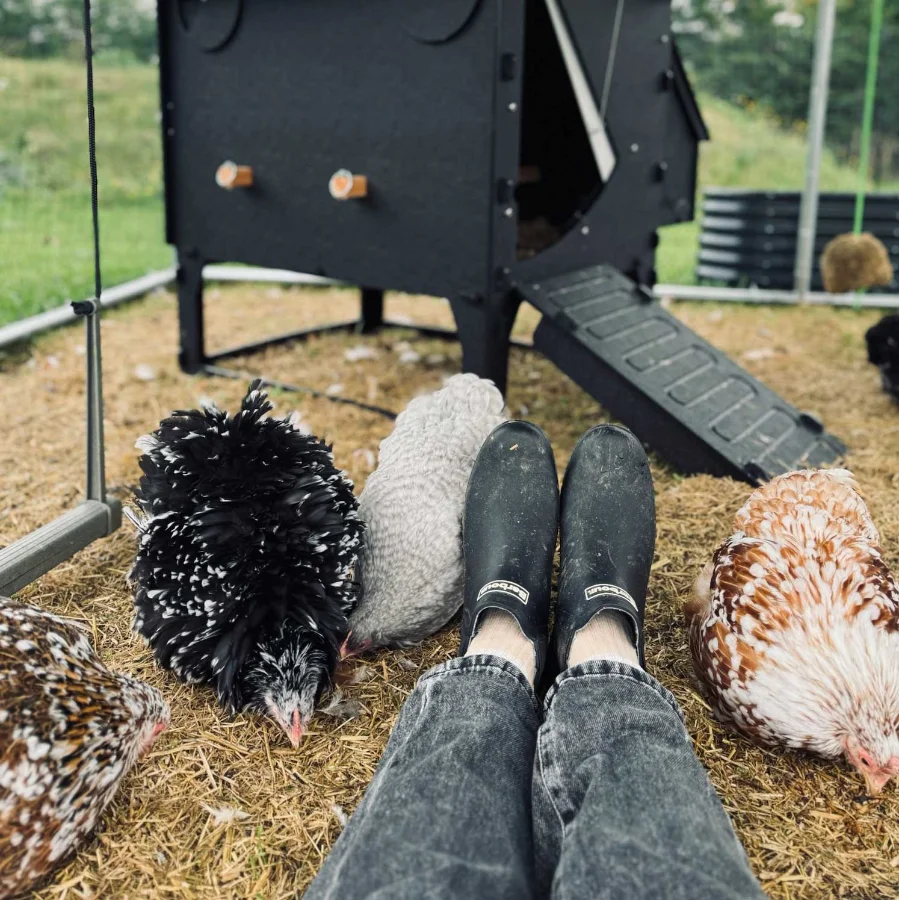
House space and run space both matter
A large run supports activity, but it does not make an overcrowded sleeping house suitable. Provide secure shelter and an outdoor area that allow normal scratching, dust-bathing and movement. Allow timid birds to get away from more confident hens.
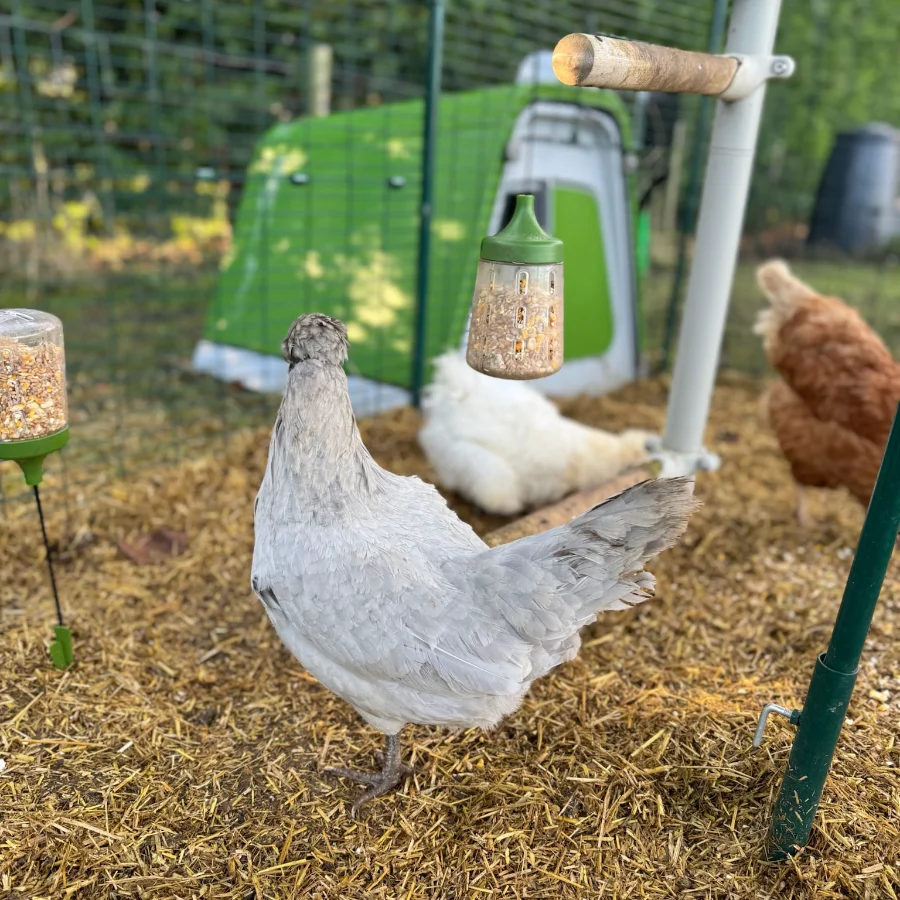
If you already have a small coop
Keep the flock appropriate to the actual space or improve the housing before adding birds. Consider doorway access, perch room and ventilation as well as floor area. Do not rely on external nest boxes alone to solve crowding.
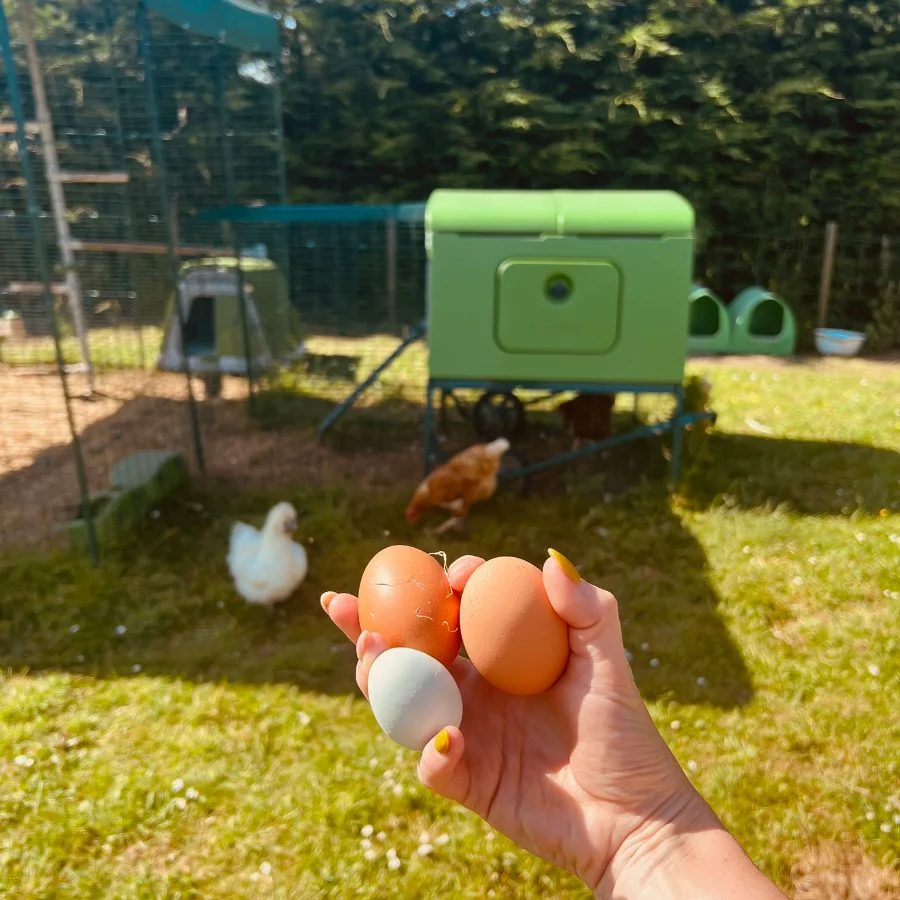
Nesting areas
Provide enough clean, dry, accessible nest areas to avoid competition. Observe how your hens use the layout and adjust if they crowd, fight or lay in unsuitable places. Nesting requirements vary with the flock and should not remove essential resting space.
Think ahead before expanding
Plan for adult birds, not the size of young pullets. New arrivals also require quarantine and gradual introduction facilities. Leave room for safe feeding and drinking access and a separate area if a bird needs care.
Ventilation, hygiene and access
You should be able to reach all parts of the house and run for inspection and cleaning. Provide airflow without exposing resting birds to driving rain or direct draughts. Check drainage, shade and roof heat during Australian summer conditions.
Choosing a suitable setup
Check local council requirements and review an Australian poultry-housing guide before purchasing. Compare the whole system: house, run, security, climate protection and daily care. If birds are showing competition or stress, reassess the setup promptly.
