
In this guide
Choosing a plastic chicken coop
A plastic coop can be practical, but suitability depends on its design, ventilation, security and usable space. Compare it with wooden alternatives and a suitable run. This guide discusses features to assess; it does not confirm stock, a manufacturer warranty or a particular product specification.
Cleaning and inspection
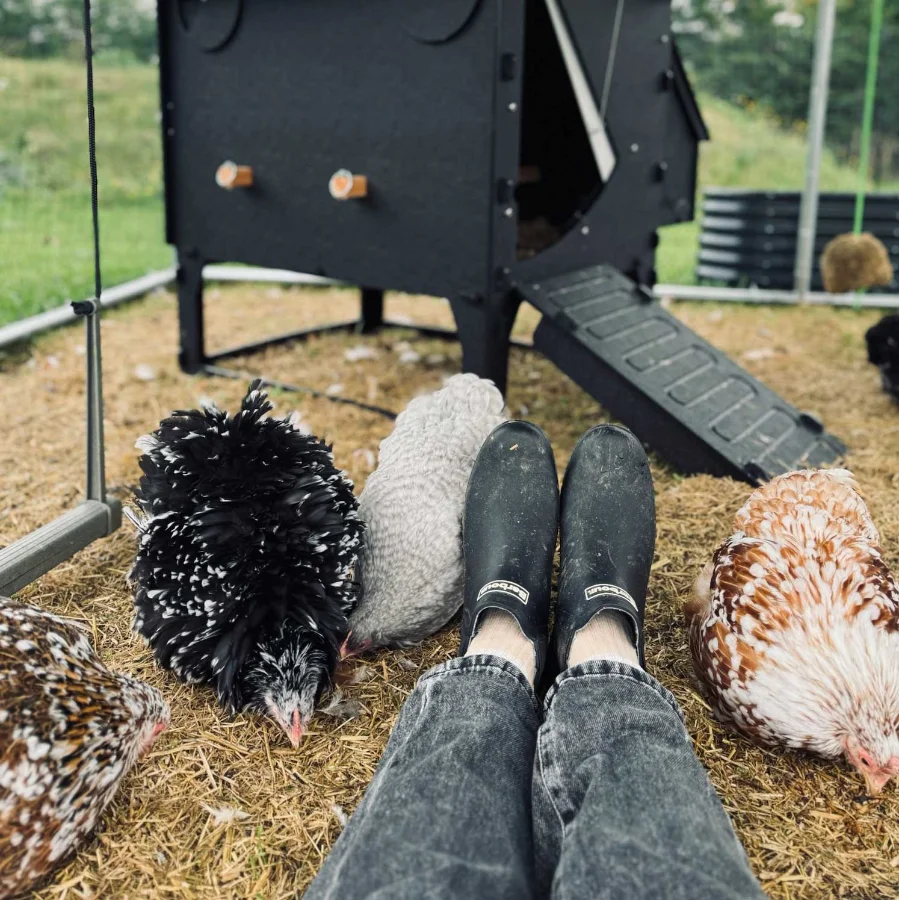
Smooth, accessible surfaces and removable parts may make cleaning easier. Remove debris before applying a suitable cleaning or disinfecting product, follow its label and let the house dry. Plastic housing still needs inspection for mites and other pests.
Weather and ventilation in Australia
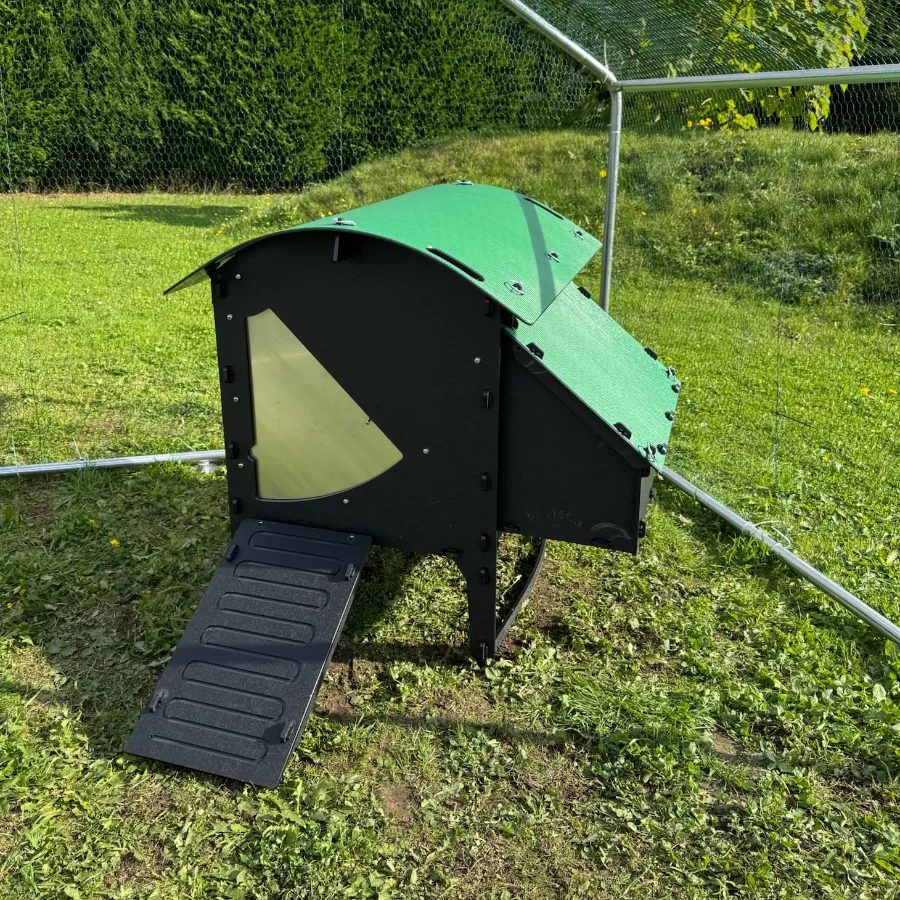
Check how the house performs in sun, wind and driving rain. Shade and airflow matter in Australian summers. Avoid a sealed or poorly ventilated enclosure, and inspect doors and fittings after severe weather.
Match the house to the flock
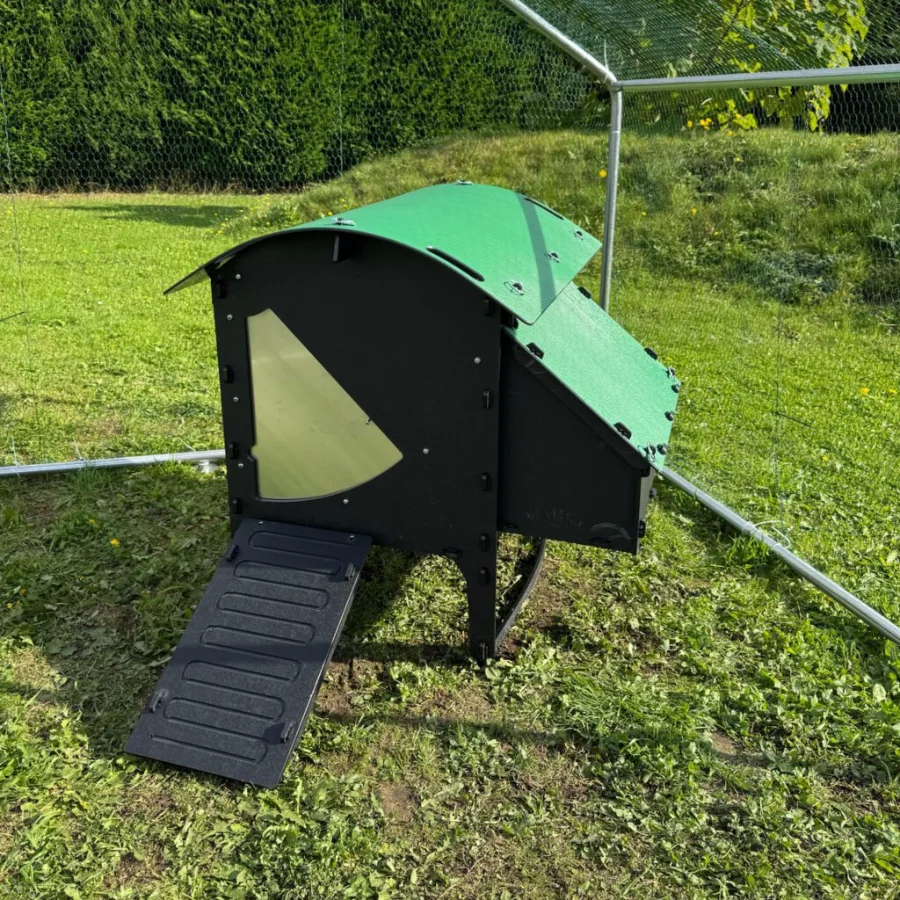
Look at adult bird size, mobility, time spent indoors, perch access and nesting space. Do not rely only on a marketing capacity. Provide a secure run and enough room for hens to move away from one another.
Maintenance, materials and longevity
Inspect fastenings, ramps, doors and surfaces regularly. Recycled content, durability and warranty terms vary by manufacturer and model; check current documentation before buying. No house material is automatically predator-proof or parasite-proof.
Plastic or wood?
Choose the whole setup that you can keep secure, clean, dry and comfortable. A sound wooden house can work well, and a poorly designed plastic house can still cause problems. Review the housing guide before deciding.
