
In this guide
The foundation of feeding backyard chickens
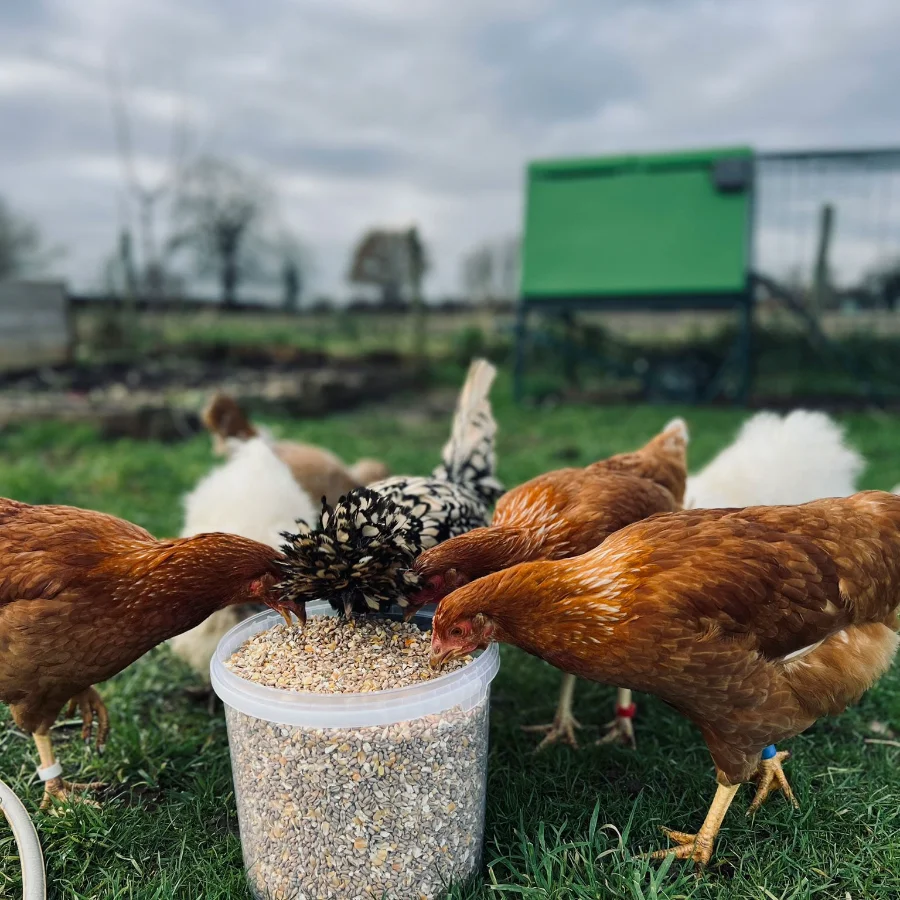
Use a complete feed formulated for chickens at their current life stage. A balanced ration supplies nutrients in suitable proportions; a mixture of scraps and grain is not an equivalent substitute. Keep feed fresh, dry and protected from pests, and provide clean drinking water at all times.
Feeding chicks
Use an appropriate chick starter feed and a feeder the chicks can reach safely. Ask the supplier or veterinarian about the feeding programme, particularly if feed is medicated. Chicks should not simply receive an adult hen’s layer ration or a bowl of household treats.
Growing birds
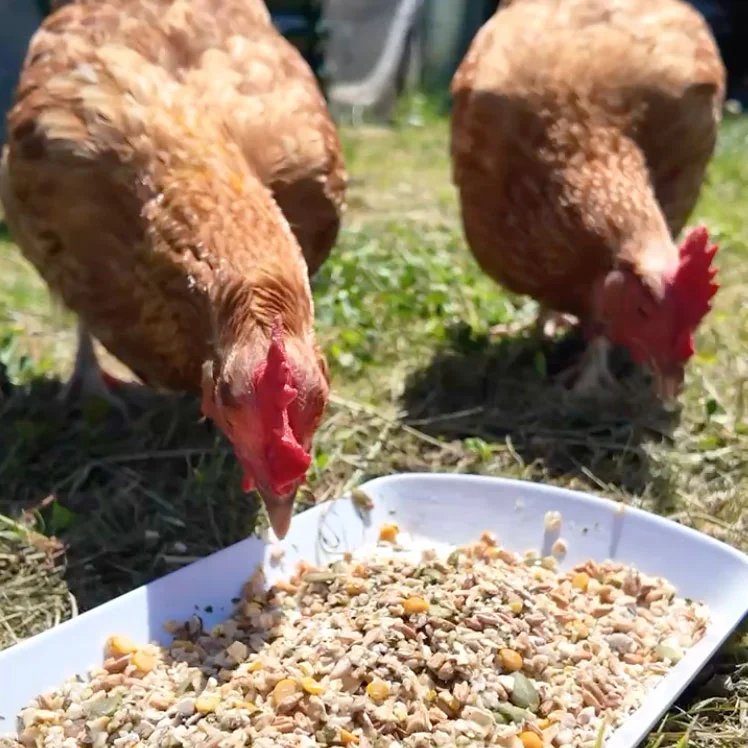
Change to a suitable grower ration according to the birds’ development and feed directions. Different breeds mature at different rates, so do not assume one fixed age fits every flock. Keep younger birds from being excluded at feeding points by larger or more confident hens.
Laying hens
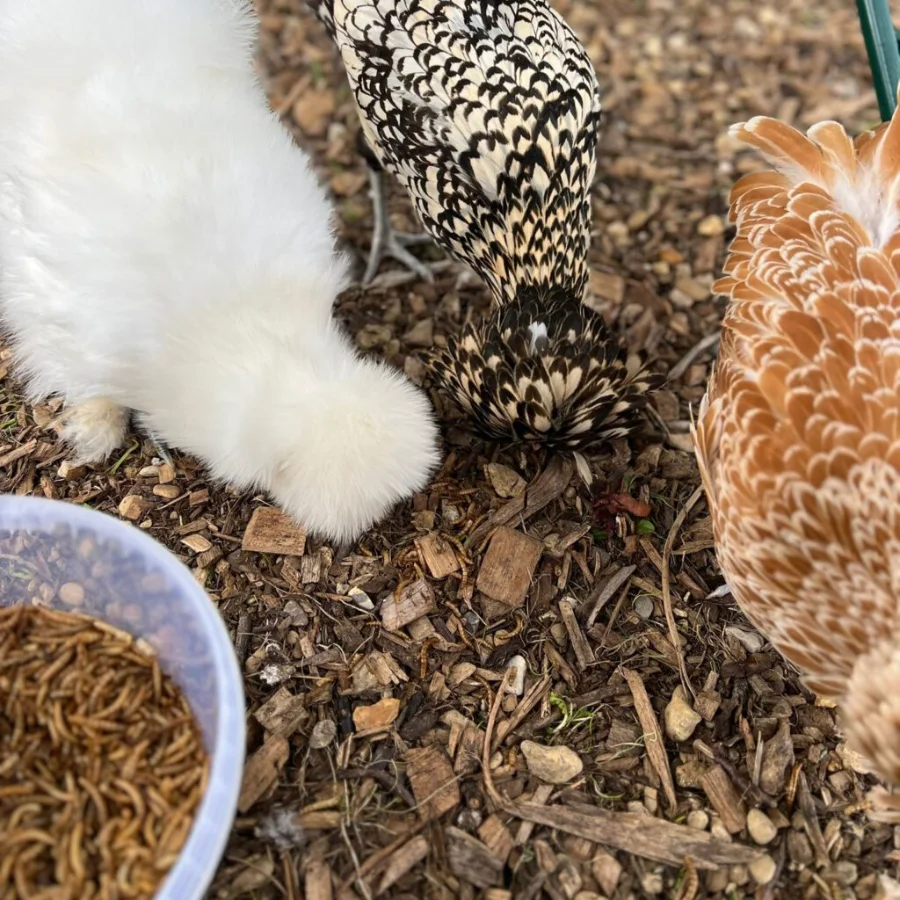
Use a suitable complete layer ration when appropriate for the birds’ stage. Egg production places nutritional demands on hens, but do not guess calcium or vitamin doses from shell changes alone. Ask your vet about persistent soft shells, poor condition or reduced appetite.
How often to offer food
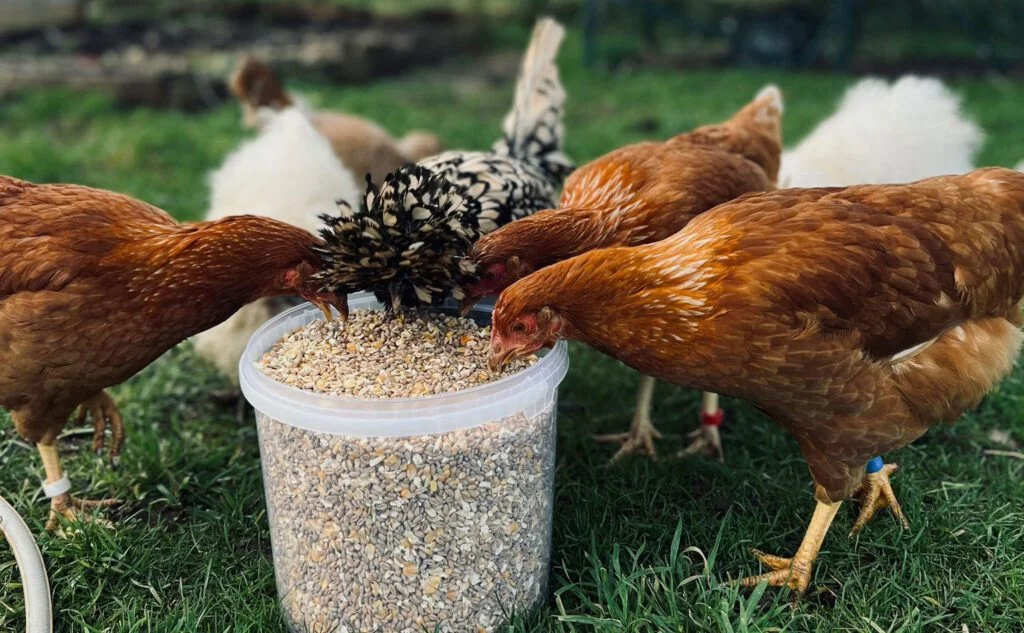
Provide reliable access to the appropriate ration through the day, checking that every bird can use the feeder. A full feeder is not evidence that a timid hen is eating. Keep the feeding area sheltered and remove spoiled food or spills promptly.
Treats and foraging
Known chicken-safe greens or other suitable extras can add interest, but should remain a small part of intake. Avoid rich treats displacing balanced feed. Foraging provides activity without guaranteeing that a garden supplies all the nutrients hens need.
Foods and materials to avoid
Do not feed mouldy or spoiled food. Prevent access to chemicals, bait, unknown mushrooms, toxic plants, string and packaging. Check unfamiliar foods and applicable Australian guidance rather than copying restrictions or claims from another country.
Feeders and water
Choose equipment suited to the smallest bird and the size of the group. Place it where food stays dry and water remains clean. Add resource points if competition develops. Check water more frequently during Australian heat and inspect equipment daily.
When to ask for help
Changes in appetite, weight, droppings or laying deserve investigation. Record the ration, treats, recent changes and birds affected. Supplements, herbs and tonics should not be used to postpone veterinary assessment.
