In this guide
- What Makes Silkie Chickens So Special
- The Different Types Of Silkie Chickens
- Silkie Eggs And Laying
- Silkies Make Great Family Pets
- Housing And Care Tips For Silkies
- Feeding Silkies And Caring For Their Health
- Why Silkies Make Such Wonderful Pets
- Silkie Chickens for Sale Online at Chicken Hatchery Australia
Use the related guides to compare suitable options for your flock. Confirm current availability, individual care needs and the birds’ health history before making arrangements with Chicken Hatchery Australia.

What Makes Silkie Chickens So Special
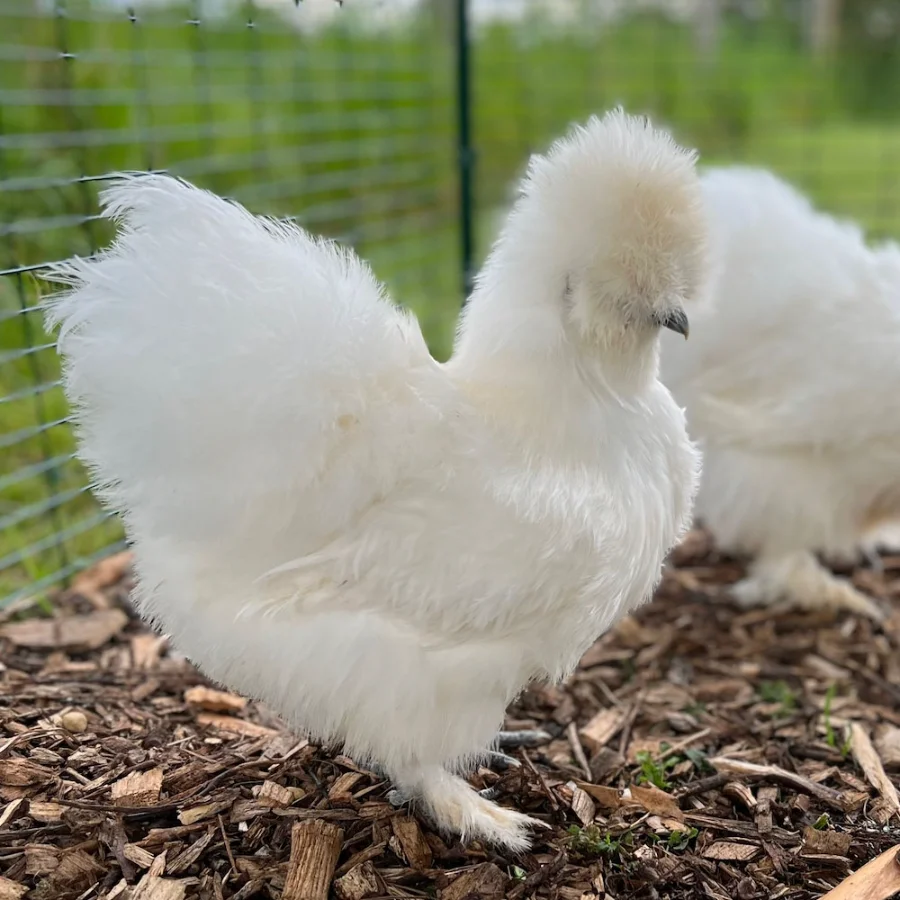
Silkies are instantly recognisable thanks to their fluffy feathers, which feel more like soft fur than traditional chicken plumage. This unique texture comes from a lack of barbicels in the feathers, giving them their signature cloud like appearance. They also have dark skin, blue earlobes, and five toes instead of the usual four. These unusual features make Silkies one of the most distinctive chicken breeds you can keep.
Beyond their looks, Silkies are known for their calm, gentle temperament. They are friendly, slow moving and very people oriented, often choosing to sit near their keepers rather than wander far away. This makes them especially popular with families, children and anyone who wants chickens primarily as pets rather than purely for egg production.
The Different Types Of Silkie Chickens
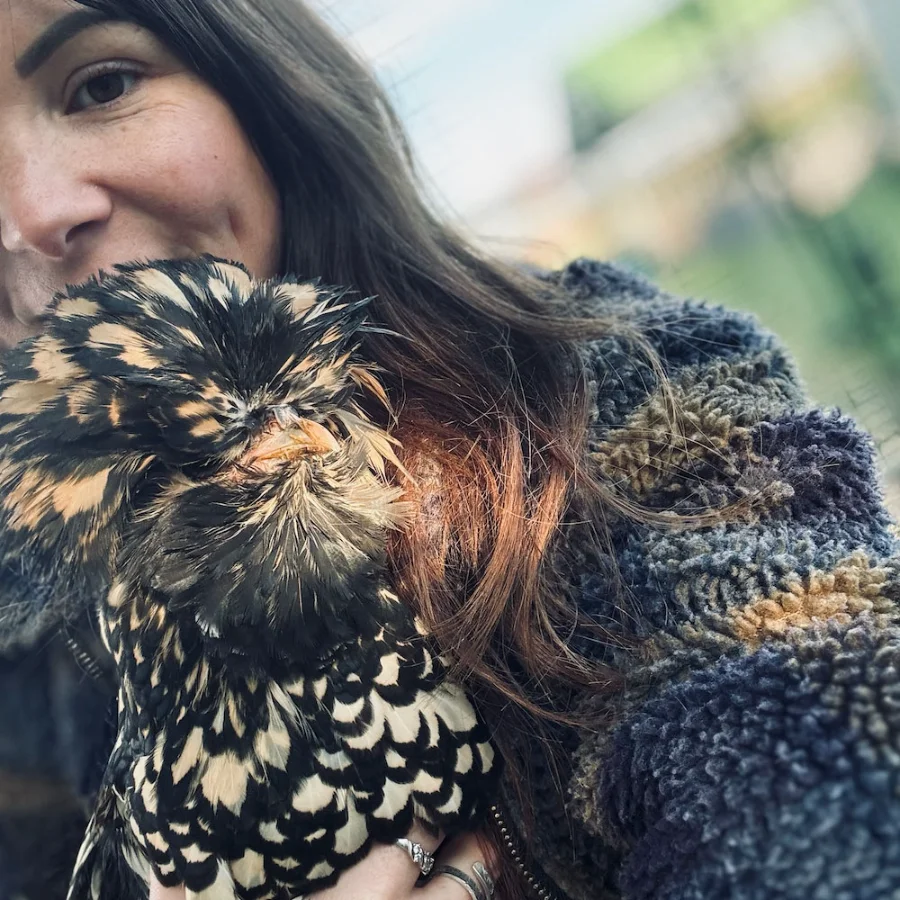
One of the joys of keeping Silkies is the incredible variety of colours and patterns, all wrapped up in the same gentle, fluffy personality. Bearded Silkies are characterised by their full facial feathering, with soft plumage under the chin that gives them a rounded, teddy bear like appearance. This extra feathering adds to their charm and is one of the reasons Bearded Silkies are so popular with families and pet keepers.
You may also see Bearded Silkie hens listed as imperfectly perfect . These birds are just as healthy and full of character as any other Silkie, but may have minor cosmetic quirks that do not meet strict show standards. They make wonderful pets and are a popular choice for keepers who value personality over appearance.
Despite their different colours, all Bearded Silkies share the same core traits. They are calm, friendly and people oriented, preferring to stay close to familiar faces rather than roaming far. Their care requirements are the same across colours, making it easy to keep multiple varieties together in one flock.
Silkie Eggs And Laying
Silkies are not kept for high egg output, but what they lack in quantity they make up for in charm. Silkie hens lay small to medium sized eggs that are usually cream or lightly tinted in colour. On average, you can expect fewer eggs per year compared to hybrid layers, particularly during winter months.
One thing Silkies are famous for is broodiness. They are among the best natural sitters of any chicken breed and are often used to hatch eggs from other chickens or even different poultry species. This strong maternal instinct is a joy for some keepers and a challenge for others. If you are happy managing broody behaviour, Silkies can be incredibly rewarding.
Silkies Make Great Family Pets
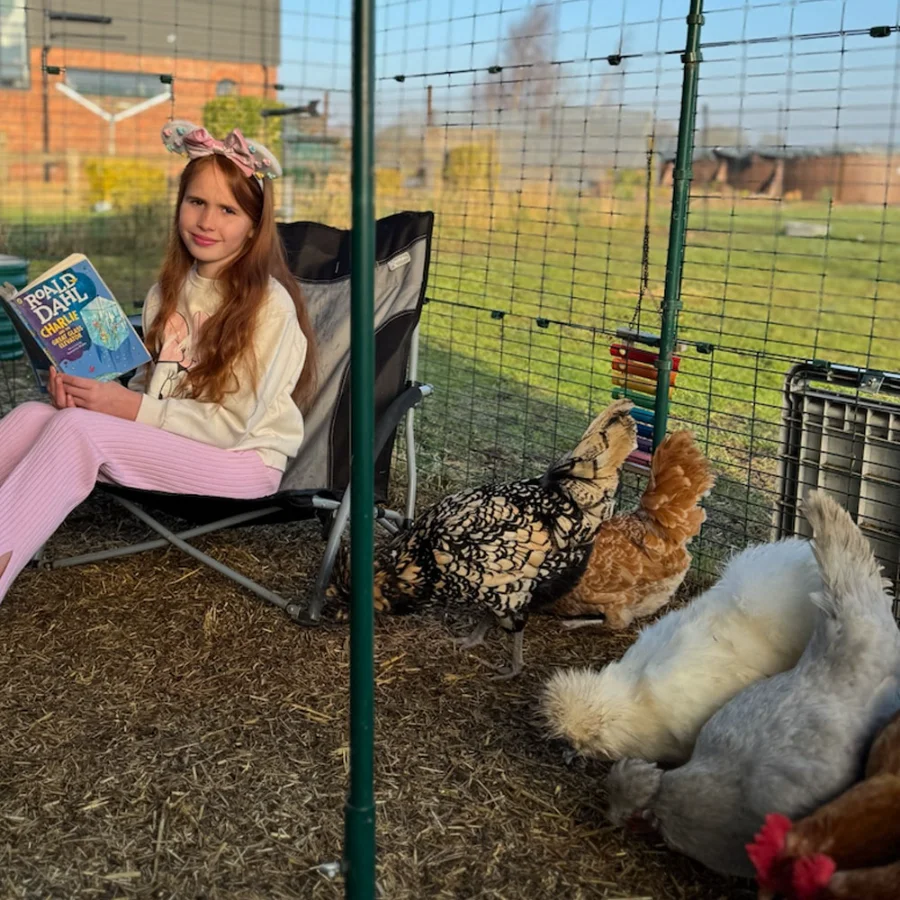
Silkies are exceptionally calm birds. They rarely show aggression, cope well with gentle handling and are happy to be part of daily life in the garden. Because they move slowly and do not fly well, they are less likely to escape or panic, which helps them feel safe around children and pets.
However, their gentle nature means they can be vulnerable in flocks with more assertive breeds. When keeping Silkies with other chickens, it is best to pair them with calm, non aggressive breeds and avoid mixing them with dominant hybrids.
Housing And Care Tips For Silkies
Silkies may need slightly different care compared to other chickens, mainly because of their feather structure. Their plumage does not repel water well, so dry housing is essential. A well ventilated coop that stays dry during wet weather helps prevent illness and feather damage.
Because they do not fly well, perches should be low and easy to access. Ramps can help Silkies move safely between levels without injury. Clean bedding and regular coop maintenance are especially important for Silkies, as damp conditions can quickly cause problems.
In the garden, Silkies enjoy sheltered areas where they can dust bathe and forage without getting wet. Providing covered runs or natural shelter is ideal, particularly in the local Australian conditions.
Feeding Silkies And Caring For Their Health
Silkies benefit from a balanced diet just like any other chicken. A good quality layers feed , fresh water and occasional treats will keep them healthy and content. Because of their fluffy feathers, it is important to check them regularly for signs of mites or lice, as parasites can hide more easily in dense plumage.
Routine health checks , gentle grooming around the face and keeping feathers clean all help Silkies stay comfortable. Many keepers also enjoy the close bond that forms through this extra care, as Silkies tend to enjoy calm attention and handling.
Why Silkies Make Such Wonderful Pets
For many people, Silkies are less about egg baskets and more about companionship. They are chickens that follow you around the garden, sit quietly nearby and become familiar, friendly faces in daily life. Their calm presence can be genuinely therapeutic, and they often become much loved members of the household.