Everyday care essentials
Plan dry bedding, safe perches, good ventilation, fresh water and an appropriate complete ration. A suitable home supports your flock’s day-to-day wellbeing.
Explore housing ›

Broodiness is a hormonal nesting behaviour, not an illness. A hen may want to sit on eggs or an empty nest and may stop laying. Some breeds show this behaviour more readily than others.
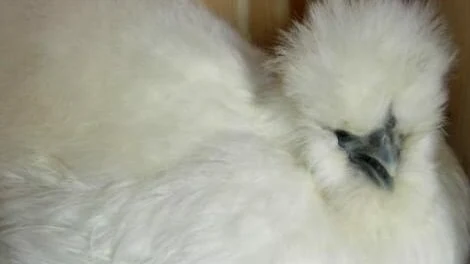
Natural reproductive behaviour can drive persistent sitting. However, a quiet hen that stays in a nest may also be ill, so check her appetite, drinking, movement and overall condition.
Ensure the hen leaves the nest to eat, drink and pass droppings. Collect unwanted eggs regularly and monitor body condition. If you do not plan to hatch chicks, ask a poultry-experienced vet for a humane management approach. Do not dunk the hen in cold water or deprive her of food or water.
Observe nesting behaviour daily and plan ahead for breeds prone to broodiness. Keep nesting areas clean and check birds for parasites.
Weight loss, weakness, straining, breathing changes or poor intake should not be dismissed as broodiness. Seek veterinary advice promptly.
Content checked 10 November 2026. General information; not an individual veterinary assessment.
Plan dry bedding, safe perches, good ventilation, fresh water and an appropriate complete ration. A suitable home supports your flock’s day-to-day wellbeing.
Explore housing ›Record changes in appetite, droppings, laying, movement and breathing. Tell the vet about recent arrivals, feed changes and any medicines already used.
Browse the health guides ›If your chicken is unwell, contact a poultry-experienced veterinarian. Take notes on signs, when they started and how many birds are affected. Photos or a short video may help your vet.
For general questions about preparing a home for your birds, browse our care guides or visit our contact page.
Contact usHealth checker ›