Everyday care essentials
Plan dry bedding, safe perches, good ventilation, fresh water and an appropriate complete ration. A suitable home supports your flock’s day-to-day wellbeing.
Explore housing ›
Moulting is the replacement of old feathers with new growth. Egg production often falls during this period. In Australia it commonly occurs around autumn, although age, individual birds and conditions affect timing.
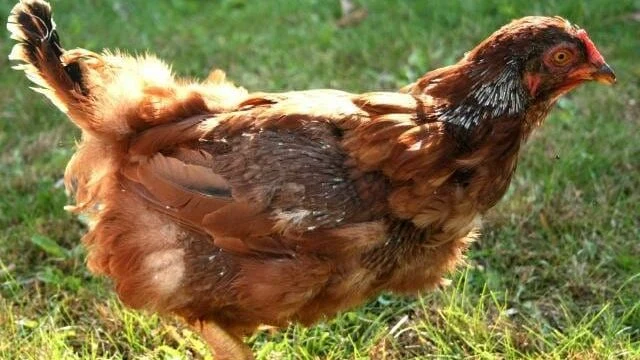
Normal feather replacement is part of a bird’s cycle. Feather loss can also result from parasites, pecking, injury or nutritional problems, so do not assume every bare patch is a moult.
Continue an appropriate complete ration and fresh water. Provide shelter and gentle handling because growing feathers can be sensitive. Watch that quieter birds can reach food and are not being pecked. Never withhold food or water to induce a moult.
Keep the flock well nourished, housing clean and behaviour under observation. Check for skin damage and parasites rather than treating feather loss on appearance alone.
Seek advice for bleeding, inflamed skin, persistent bald areas, weight loss, reduced appetite or a bird that seems unwell.
Content checked 10 November 2026. General information; not an individual veterinary assessment.
Plan dry bedding, safe perches, good ventilation, fresh water and an appropriate complete ration. A suitable home supports your flock’s day-to-day wellbeing.
Explore housing ›Record changes in appetite, droppings, laying, movement and breathing. Tell the vet about recent arrivals, feed changes and any medicines already used.
Browse the health guides ›If your chicken is unwell, contact a poultry-experienced veterinarian. Take notes on signs, when they started and how many birds are affected. Photos or a short video may help your vet.
For general questions about preparing a home for your birds, browse our care guides or visit our contact page.
Contact usHealth checker ›