Everyday care essentials
Plan dry bedding, safe perches, good ventilation, fresh water and an appropriate complete ration. A suitable home supports your flock’s day-to-day wellbeing.
Explore housing ›
The crop temporarily stores food before it moves through the digestive tract. Sour crop is commonly associated with yeast overgrowth, but poor emptying can have other causes, including obstruction or another illness. These problems need different treatments.
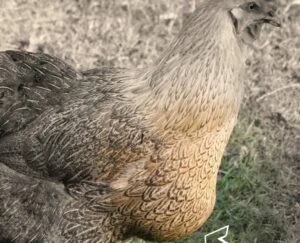
Disrupted crop function or normal gut organisms can allow problems to develop. Mouldy feed and dirty feeding equipment should be avoided, but a vet may need to examine the bird to identify the underlying issue.
Contact a poultry-experienced vet promptly. Keep the bird upright and quiet. Do not turn it upside down, squeeze or flush the crop, or try to make it vomit: material can enter the airway. Do not force-feed or give oils, human medicines or antifungals without veterinary direction.
Provide fresh appropriate feed and clean water, remove spoiled food and keep feeding equipment clean. Observe appetite and normal crop emptying.
Repeated regurgitation, breathing difficulty, inability to swallow or marked weakness need urgent care.
Content checked 10 November 2026. General information; not an individual veterinary assessment.
Plan dry bedding, safe perches, good ventilation, fresh water and an appropriate complete ration. A suitable home supports your flock’s day-to-day wellbeing.
Explore housing ›Record changes in appetite, droppings, laying, movement and breathing. Tell the vet about recent arrivals, feed changes and any medicines already used.
Browse the health guides ›If your chicken is unwell, contact a poultry-experienced veterinarian. Take notes on signs, when they started and how many birds are affected. Photos or a short video may help your vet.
For general questions about preparing a home for your birds, browse our care guides or visit our contact page.
Contact usHealth checker ›