Everyday care essentials
Plan dry bedding, safe perches, good ventilation, fresh water and an appropriate complete ration. A suitable home supports your flock’s day-to-day wellbeing.
Explore housing ›

Bumblefoot, also called pododermatitis, is inflammation of the foot pad that may become infected. A dark scab, swelling or soreness can be a clue, but a photo cannot show how deep a lesion extends.
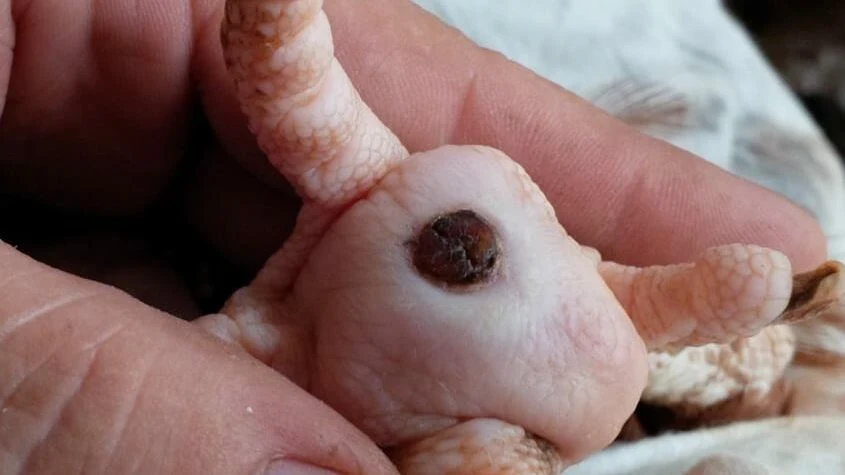
Pressure, rough perches, sharp surfaces, damp litter and excess body weight can contribute to foot damage. Bacteria may enter injured skin.
Keep the bird on clean, dry, soft bedding with food and water within reach. Arrange a poultry-experienced veterinary assessment. Do not cut into the pad, pull out a scab or attempt to remove infected tissue at home.
Check feet and perches regularly, remove sharp edges and keep litter dry. Provide suitable exercise and a balanced diet.
Seek urgent help if the bird cannot stand, swelling spreads, bleeding continues or the bird becomes quiet or stops eating.
Content checked 10 November 2026. General information; not an individual veterinary assessment.
Plan dry bedding, safe perches, good ventilation, fresh water and an appropriate complete ration. A suitable home supports your flock’s day-to-day wellbeing.
Explore housing ›Record changes in appetite, droppings, laying, movement and breathing. Tell the vet about recent arrivals, feed changes and any medicines already used.
Browse the health guides ›If your chicken is unwell, contact a poultry-experienced veterinarian. Take notes on signs, when they started and how many birds are affected. Photos or a short video may help your vet.
For general questions about preparing a home for your birds, browse our care guides or visit our contact page.
Contact usHealth checker ›