Good With Most
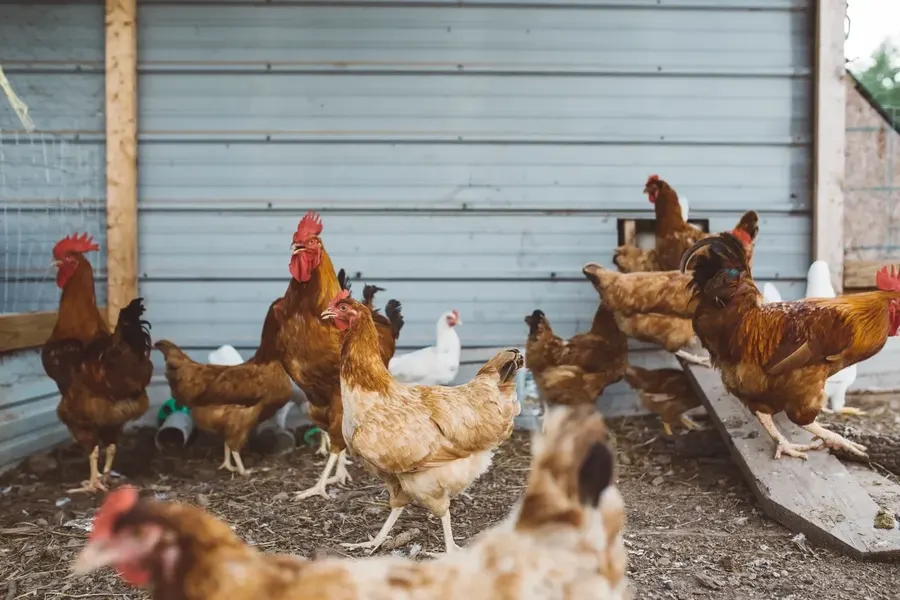
Choose gentle companions and introduce birds gradually. Protect quieter hens from bullying and competition, with several easy-to-reach feeding, drinking and resting places.
Chicken buying guide ›
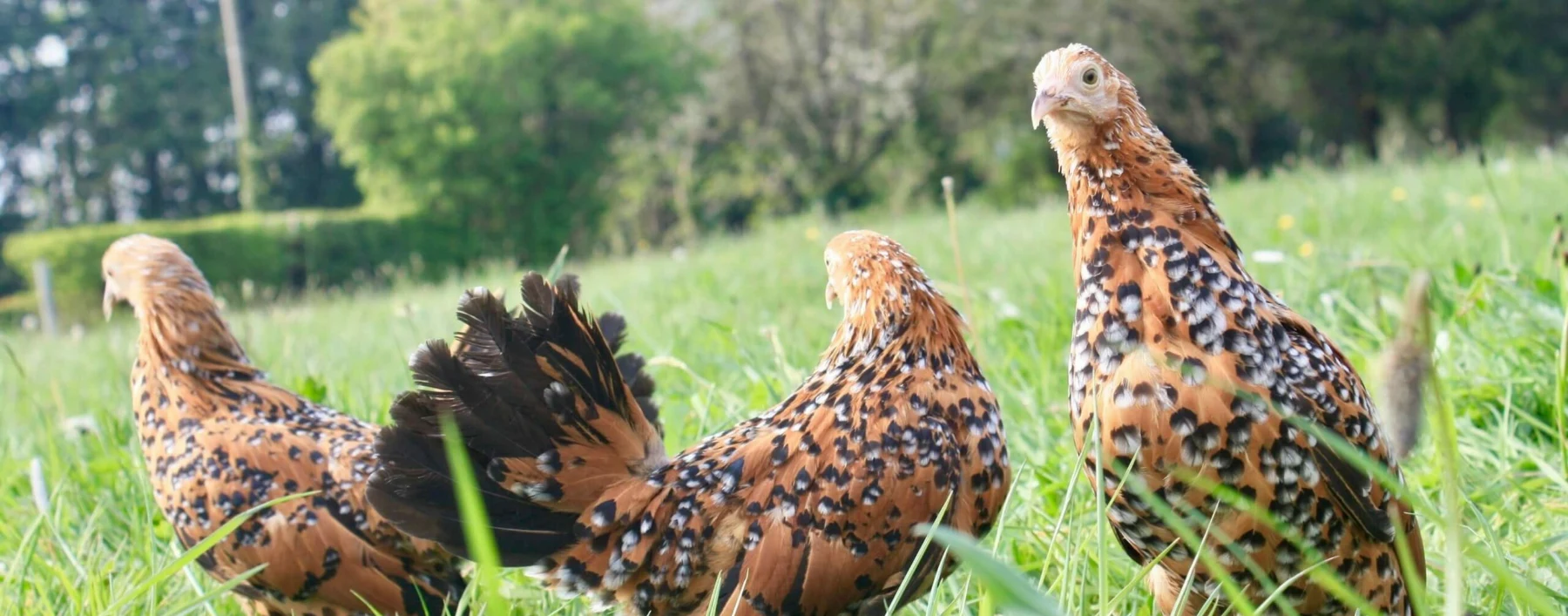
Discover gentle Sablepoot Bantams with beautifully patterned feathers and feathered feet.
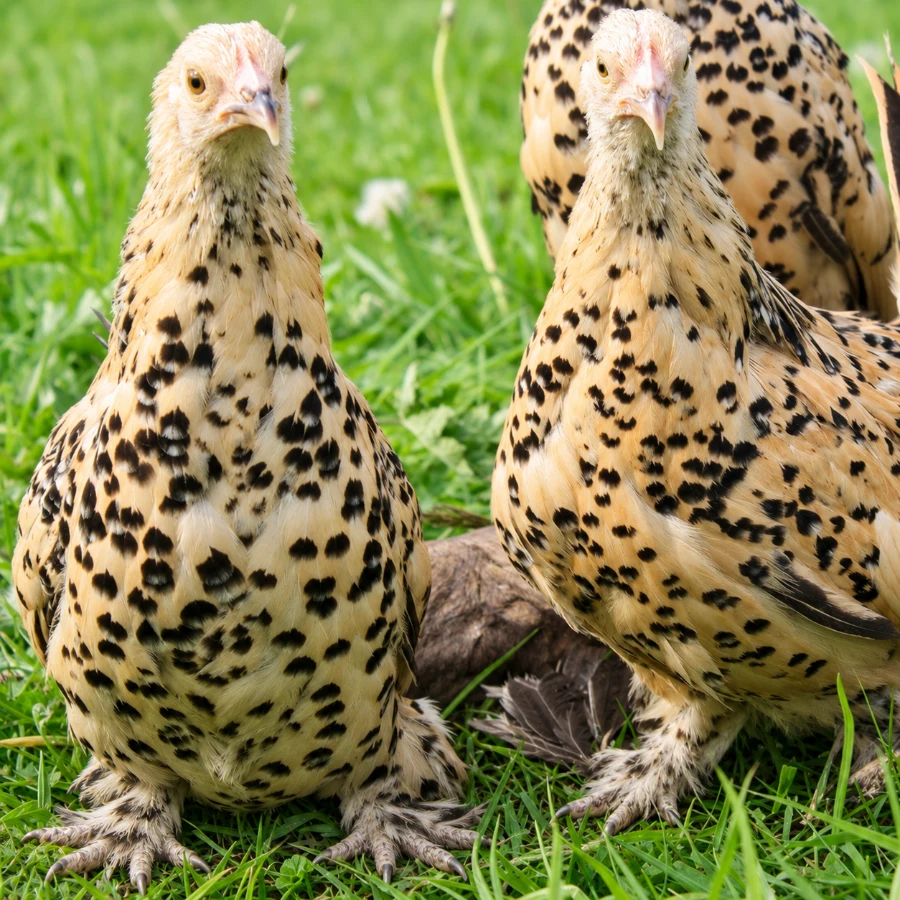
Sablepoots, also known as Booted Bantams, are small ornamental chickens recognised for their heavily feathered legs and feet. Their decorative plumage comes in many colours and patterns, adding character to a thoughtfully planned garden flock.
Often gentle and inquisitive once settled, they may enjoy spending time near a familiar keeper. Some are shy at first, so patient interaction, a calm routine and compatible companions help them gain confidence.
For Australian gardens, prioritise clean, dry footing, suitable shelter, reliable shade and fresh drinking water. Small white eggs are typical, with laying varying between individual hens, breeding lines and seasons.
Choose gentle companions and introduce birds gradually. Protect quieter hens from bullying and competition, with several easy-to-reach feeding, drinking and resting places.
Chicken buying guide ›
Their inquisitive nature and gentle reputation can make Sablepoots enjoyable companions. Build trust patiently, handle their small bodies carefully and supervise children around chickens.

An approximate guide to annual laying potential. Egg size and output vary with breeding line, age, season, nutrition and individual care.
Sablepoot Bantams are often gentle, curious birds that enjoy exploring familiar surroundings. Their ornamental feathering and small size give them a distinctive presence in a garden flock.
Some hens are cautious around unfamiliar people or activity. Use calm approaches and patient interaction, allowing trust to develop at each bird’s pace rather than expecting immediate handling.
Choose flock companions carefully and monitor introductions. Provide quieter birds with space to retreat and several feeding and drinking points, and supervise children during gentle handling.
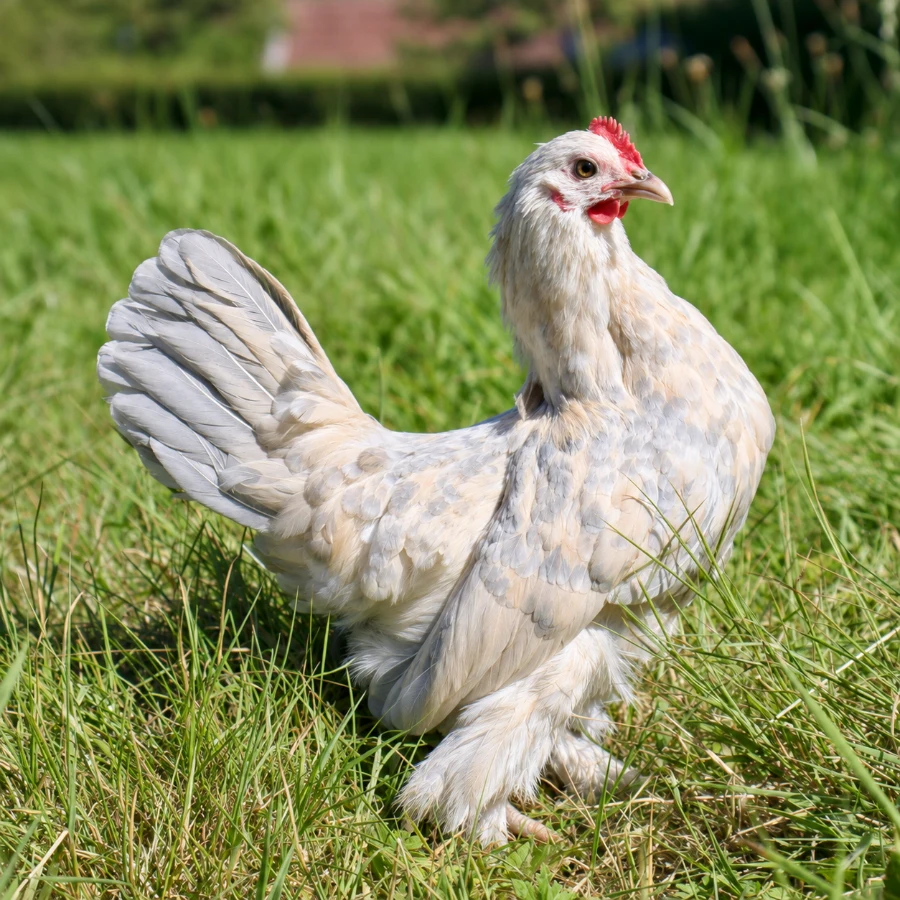
Provide a secure, sheltered run with well-drained ground, clean bedding and a predator-resistant house at night. Heavy foot feathering needs dry footing and regular checks for trapped mud, debris or damaged feathers.
Offer easy access ramps, stable resting places and suitable enrichment, with a sheltered dust bath and safe opportunities to scratch and forage. Assess boundaries carefully and protect birds from predators rather than relying on their small size or gentle nature.
In Australian conditions, reliable shade, ventilation and plentiful fresh drinking water are essential during hot weather. Maintain shelter from wind and rain, feed an appropriate complete ration and check birds, feet and housing daily.
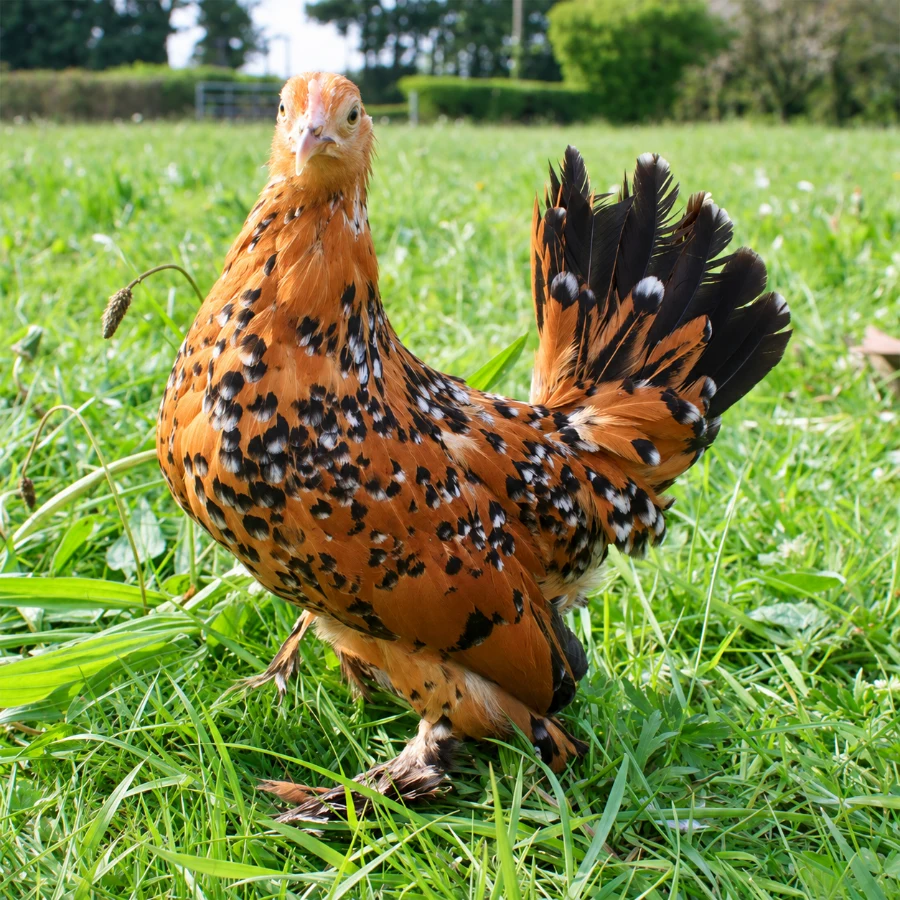
Sablepoots are also known as Booted Bantams and have a long association with ornamental poultry keeping in the Netherlands and continental Europe. Their name reflects the abundant feathering around the legs and feet.
Poultry enthusiasts developed many colours and patterns while retaining their recognisable feather-footed outline. Unlike bearded d’Uccle bantams, the Booted Bantam is a distinct breed without the same characteristic beard.
Today Sablepoots are kept for exhibition, companionship and small eggs. Their ornamental feathering remains central to planning suitable garden housing, with particular attention to dry ground, foot care and gentle flock company.