Good With Most
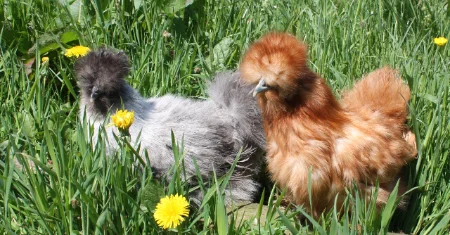
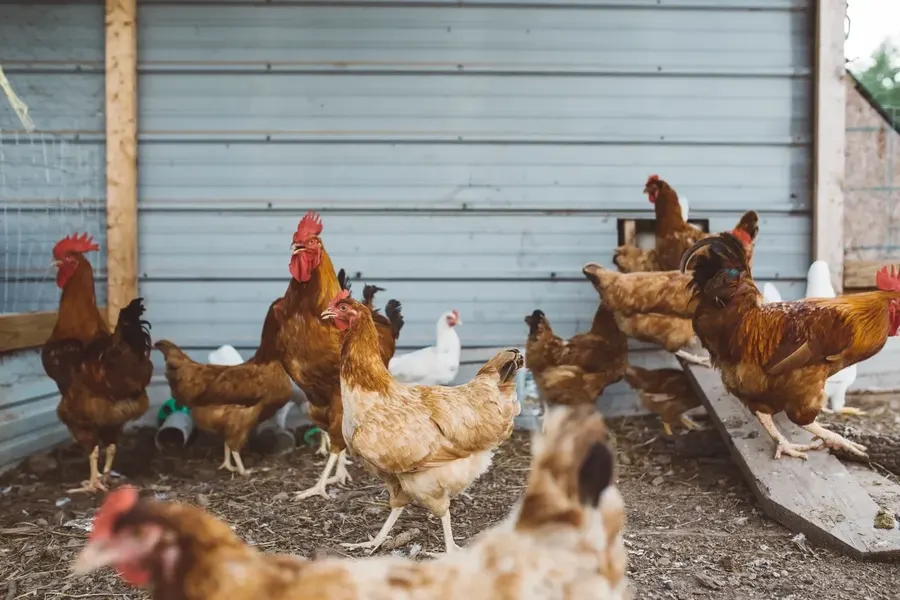
Choose gentle companions and introduce birds gradually. Protect these small bantams from bullying and competition, with several easy-to-reach feeding, drinking and resting places.
Chicken buying guide ›
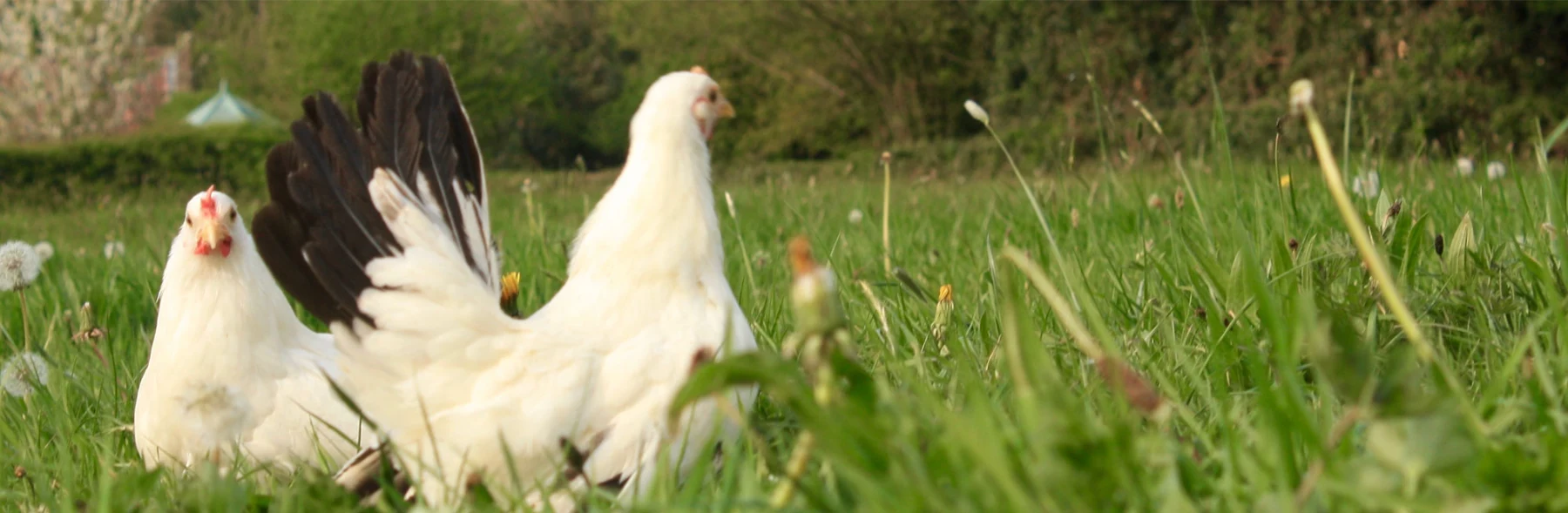
Discover Japanese Bantam Chabo chickens with short legs and striking upright tails.
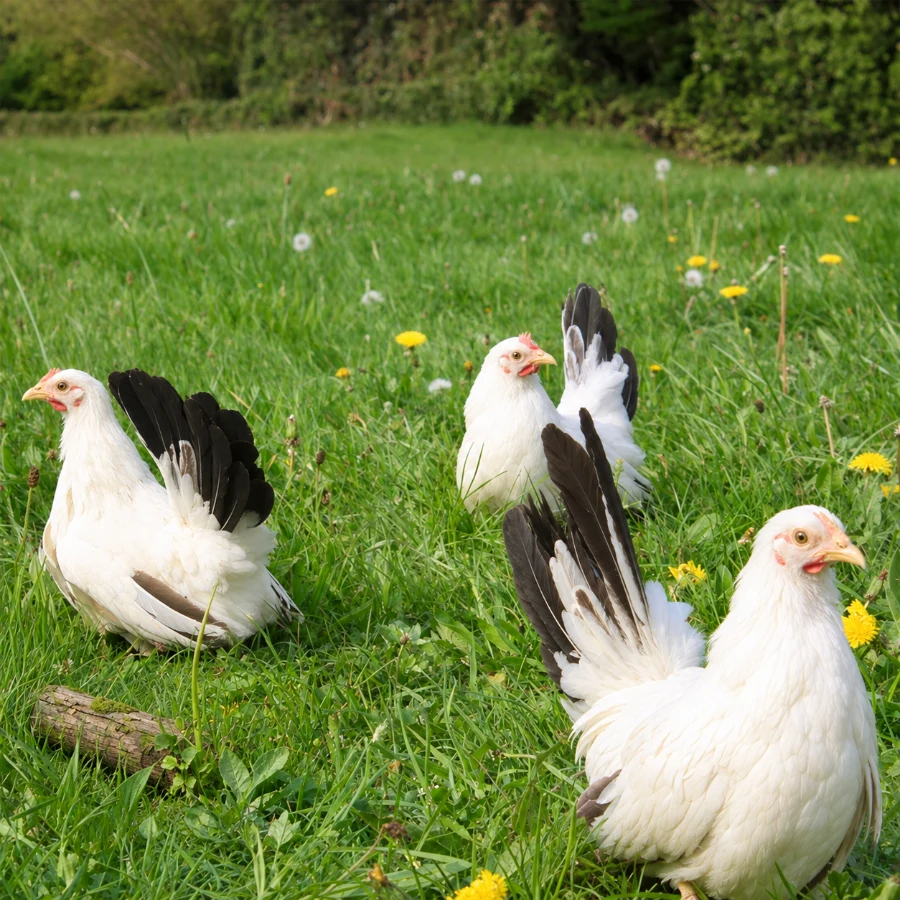
Japanese Bantams, also called Chabo, are small ornamental chickens recognised for their short legs, low carriage and striking upright tails. Their distinctive outline makes them memorable birds for a carefully planned garden flock.
Often inquisitive and friendly once settled, they may enjoy company without necessarily wanting to be held. Their small, delicate build calls for gentle handling, patient interaction and compatible companions.
For Australian gardens, prioritise a secure, sheltered run with clean, dry footing, easy access to the house, reliable shade and fresh drinking water. They are generally kept for their appearance and companionship alongside modest numbers of small white eggs.
Choose gentle companions and introduce birds gradually. Protect these small bantams from bullying and competition, with several easy-to-reach feeding, drinking and resting places.
Chicken buying guide ›
Inquisitive and often friendly once settled, Chabo may prefer exploring near you to being held. Build trust patiently and respect each bird’s comfort with handling.

An approximate guide to annual laying potential. Egg size and output vary with breeding line, age, season, nutrition and individual care.
Japanese Bantam Chabo are often curious, engaging birds that enjoy exploring familiar surroundings. A calm routine and patient interaction help individual hens become comfortable near their keeper.
Some remain cautious about being picked up and may react quickly when startled. Handle them gently, support their small bodies carefully and supervise children closely rather than assuming every bird enjoys attention.
Choose flock companions thoughtfully and introduce new birds gradually. Watch for bullying, provide quieter hens with space to retreat and make food, water and shelter easy to reach.
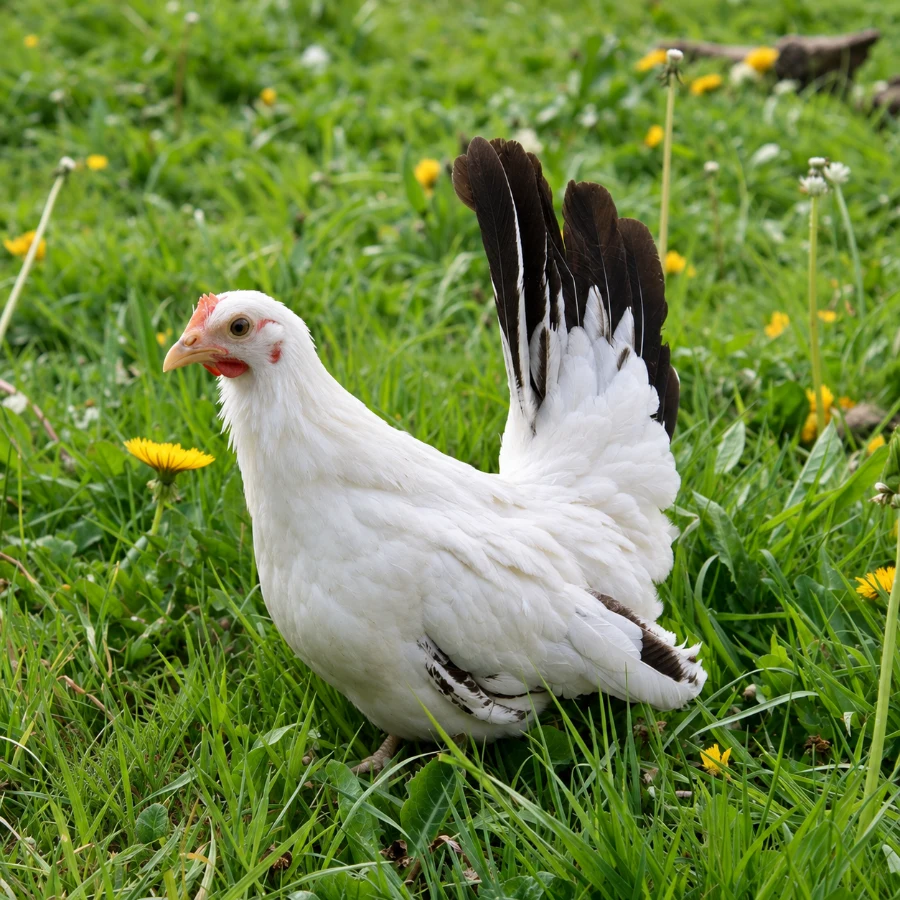
Provide a secure, sheltered run with clean, dry litter and a predator-resistant house at night. Their low carriage and drooping wing tips make muddy ground and prolonged wet conditions particularly unsuitable.
Use gentle access ramps, low obstacles and stable resting places suited to each bird. These bantams can fly, so assess boundaries and use a covered enclosure where needed. Offer suitable enrichment and a sheltered dust-bathing area without making essential resources difficult to reach.
In Australian conditions, provide reliable shade, ventilation and plentiful fresh drinking water during hot weather. Maintain dry shelter from wind and rain, feed an appropriate complete ration and check birds, litter and housing daily.
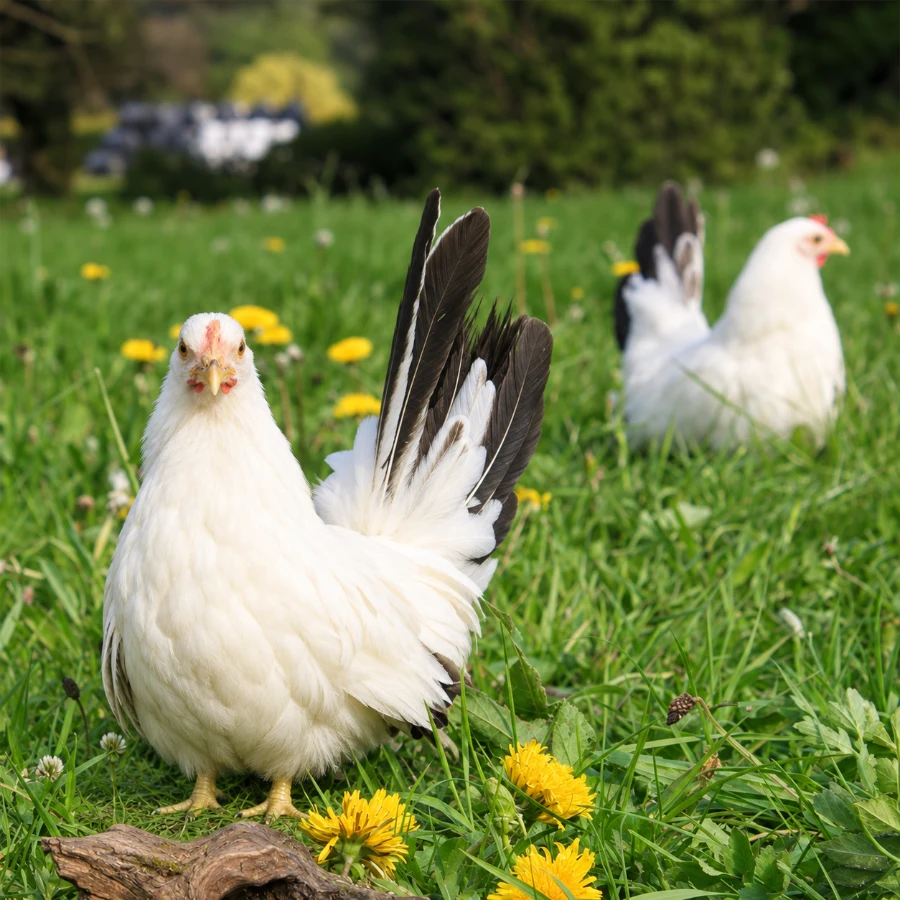
Japanese Bantams have a long history as ornamental chickens in Japan, where they are known as Chabo. Their distinctive short-legged outline and upright tails became central features of the breed.
They are true bantams, rather than miniature versions of a larger breed. Poultry enthusiasts have developed several colours and feather varieties while preserving their recognisable low carriage.
Today Chabo are kept for exhibition, appearance and companionship. Their small size and low wings remain important when planning suitable garden housing, with particular attention to dry footing, easy access and gentle flock company.