Good With Most
Choose compatible companions and introduce them gradually. Give active hens enough room and provide several feeding and drinking points, while monitoring quieter or more delicate flock members.
Chicken buying guide ›
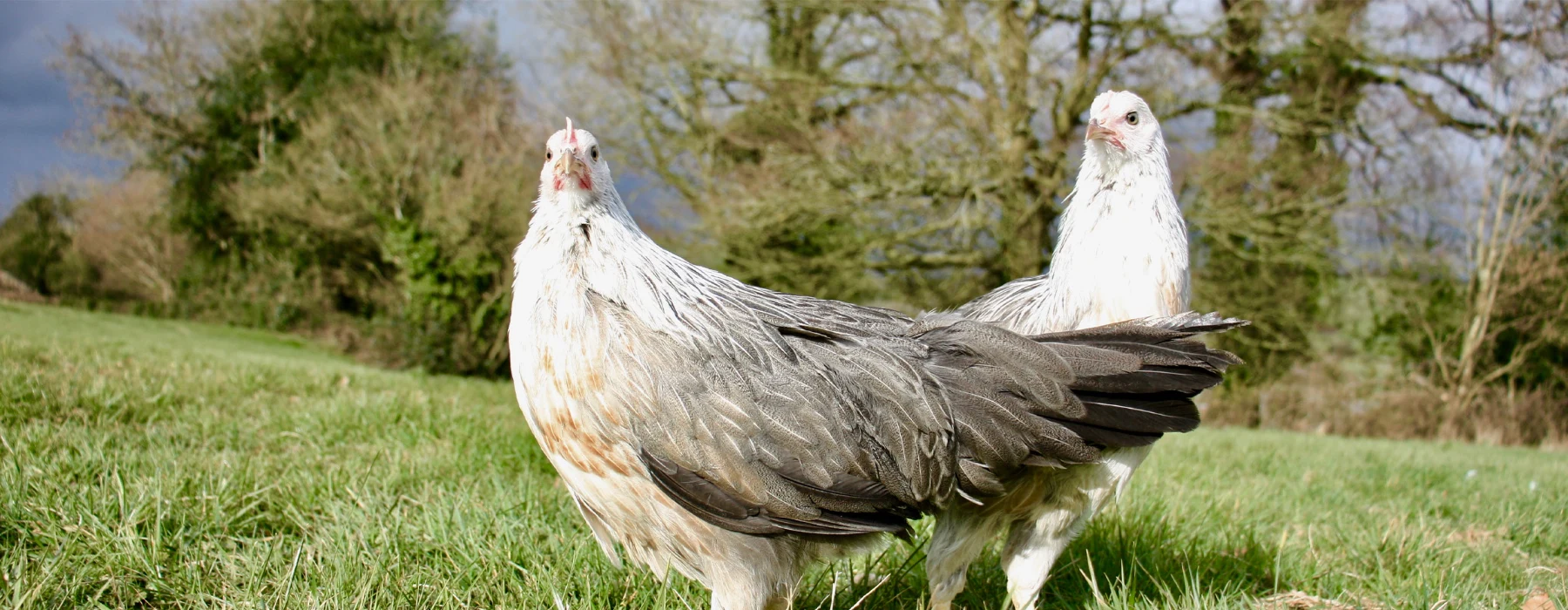
Discover lively, inquisitive Leghorns and their classic white eggs.
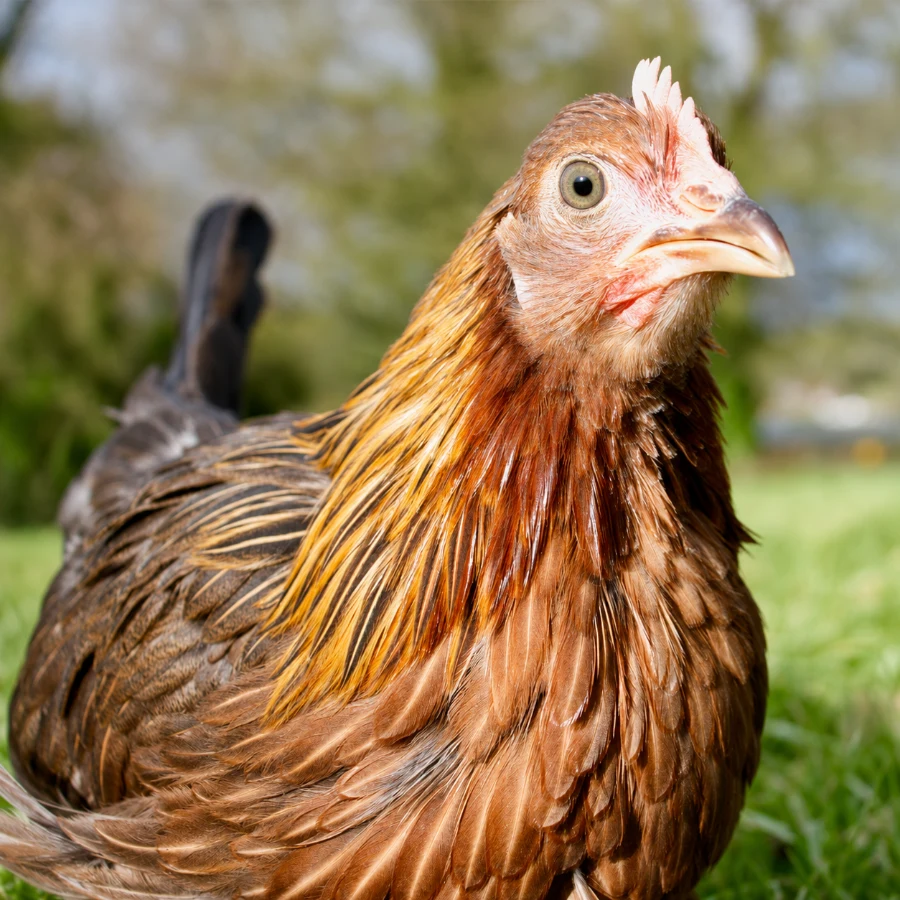
Pure breed Leghorns are lightweight, active chickens known for white-shelled eggs and an inquisitive nature. Their alert stance, prominent combs and varied plumage colours give them a distinctive garden presence.
They often enjoy foraging and exploring, and may become friendly with a patient keeper. Some birds remain wary of handling or react quickly to surprises, so a calm routine and secure surroundings help them settle.
For Australian gardens, plan a spacious, enriched run, safe roosts, reliable shade and fresh drinking water. These pure breed chickens are presented separately from the Hybrid Leghorn guide, as breeding lines and individual performance vary.
Choose compatible companions and introduce them gradually. Give active hens enough room and provide several feeding and drinking points, while monitoring quieter or more delicate flock members.
Chicken buying guide ›
Inquisitive and often friendly once settled, Leghorns may prefer exploring near you to being held. Build trust patiently and respect each bird’s comfort with handling.

A guide to laying potential in productive lines, sometimes approaching 300 eggs annually under suitable conditions. Size and output vary with breeding, age, season, nutrition and individual care.
Leghorns are often lively, alert and curious birds that enjoy searching for food and investigating familiar surroundings. A regular routine helps them become confident around their keeper.
Some individuals can be flighty or cautious at first. Use calm approaches and patient interaction, allowing hens to choose how close they come rather than assuming every bird will enjoy being picked up.
Their energy and curiosity suit a flock with room to move and worthwhile enrichment. Introduce new companions gradually, monitor individual behaviour and supervise children around chickens.
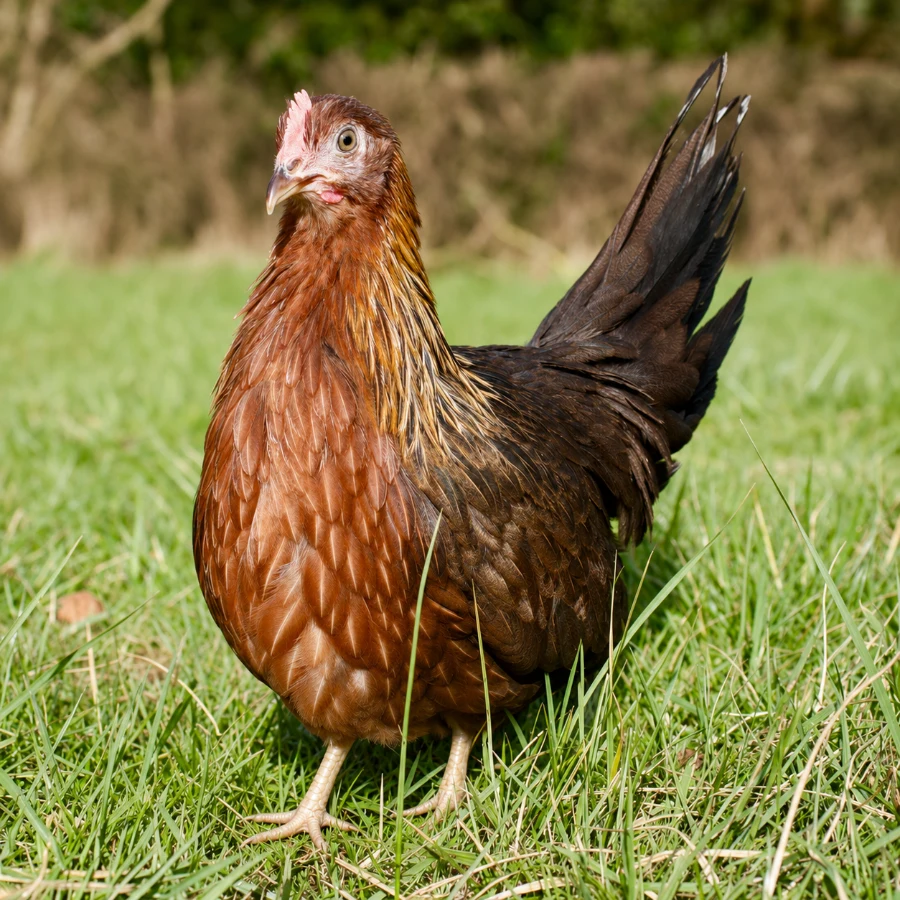
Provide a spacious, secure run with opportunities to scratch, forage and dust bathe. Leghorns can fly, so assess fences carefully and use a covered enclosure where needed, together with a predator-resistant house for the night.
Offer stable roosting bars, safe access ramps or ladders and clean, dry bedding. Feed a suitable complete layer ration for laying hens and keep fresh water readily available; seek individual advice if egg quality or condition changes.
In Australian conditions, reliable shade and ventilation are essential in hot weather. Provide shelter from wind and rain, check birds daily and make sure every hen can reach feed, water and sheltered resting places.
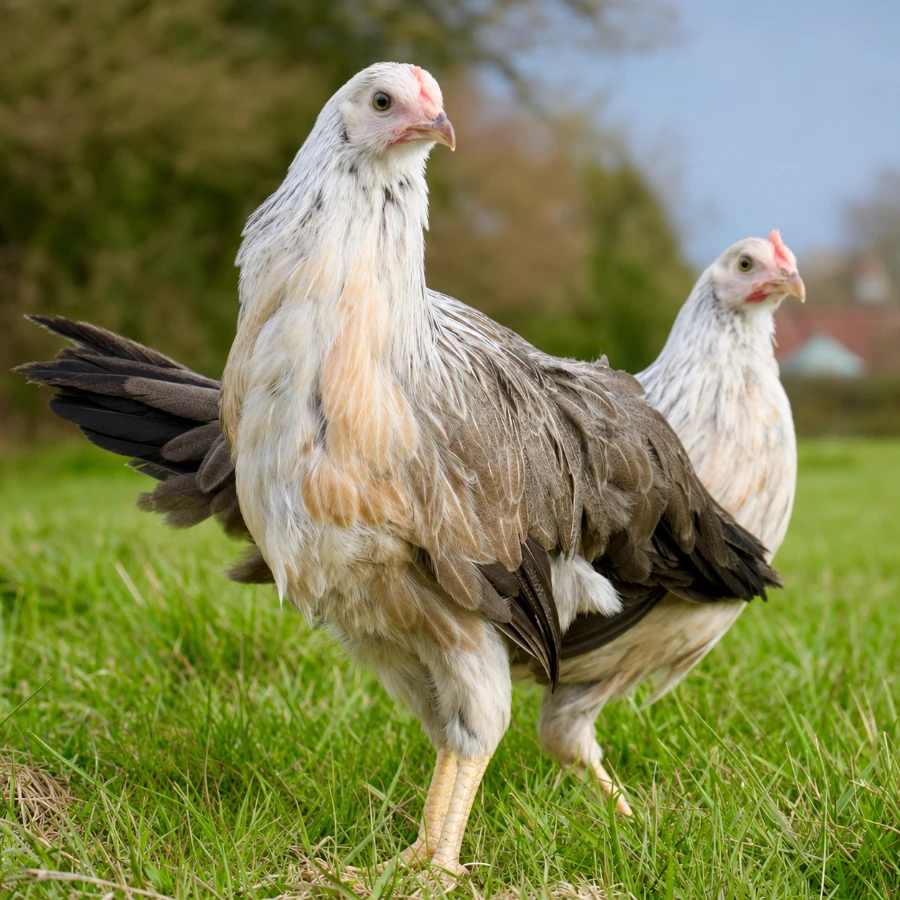
Leghorns have their origins in Italy, particularly the Tuscany region. Their English name is associated with Livorno, the port from which Italian chickens were exported during the nineteenth century.
Breeding in several countries developed different colours and strains, with white-egg production becoming a defining feature. White Leghorn ancestry has also played an important role in commercial laying chickens.
Pure breed Leghorns remain popular with poultry enthusiasts for their appearance, activity and eggs. This guide covers the pure breed; hybrid laying birds have different breeding backgrounds, and neither type guarantees a particular output from every hen.