Bomb Proof
Our informal label for a sturdy, calm breed. It is not a guarantee against bullying: choose compatible companions and avoid heavily outnumbering gentle hens with assertive birds.
Chicken buying guide ›
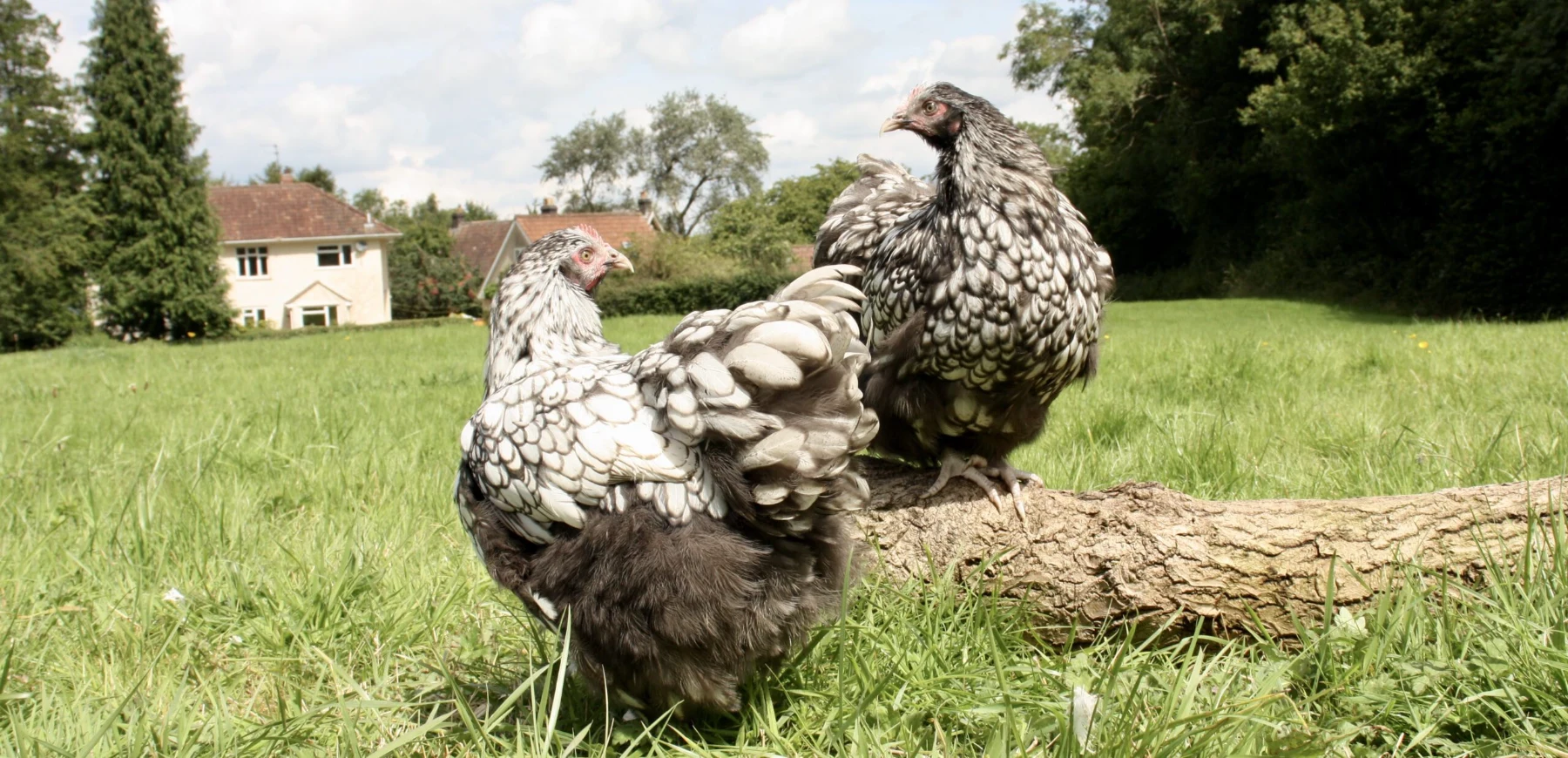
Discover gentle, beautiful Orpington chickens for your garden flock.
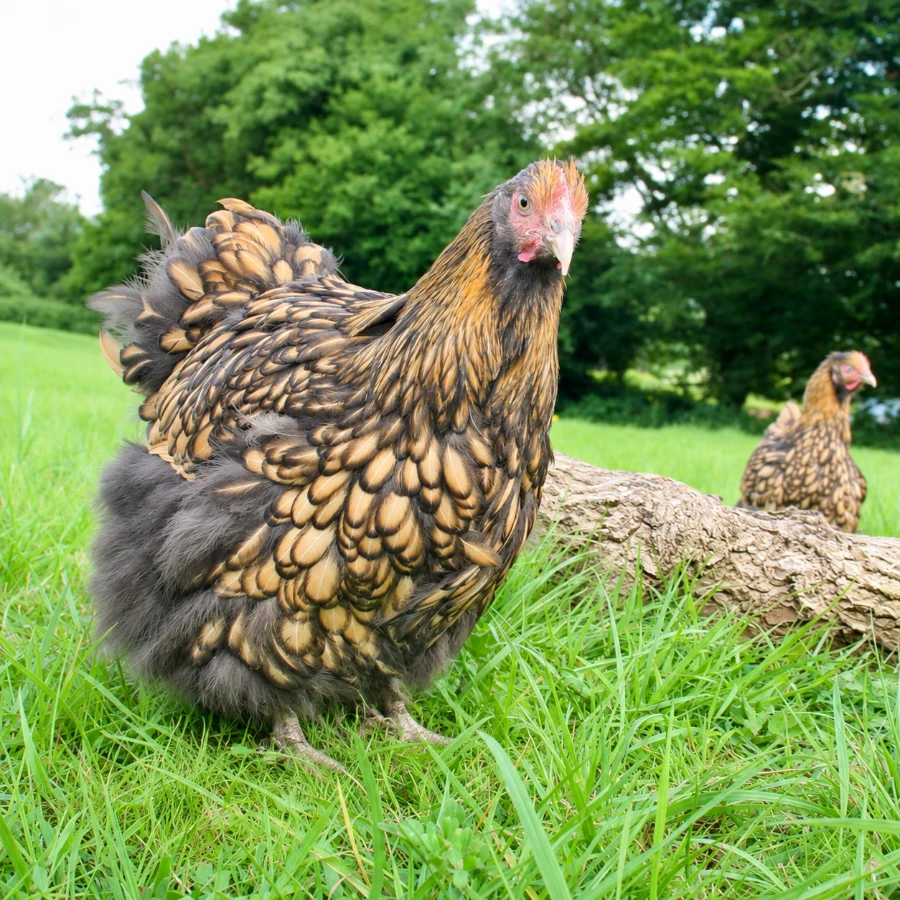
Orpingtons are a lovely large breed, admired for their full plumage, gentle nature and calm presence in a garden flock. Often friendly and inquisitive, they can become rewarding companions as they get to know their keeper.
Their docile temperament calls for thoughtful flock choices, especially around more assertive birds. Although they are not strong flyers, they still need secure housing and protection from predators. Plan suitable space, dry shelter and an enriched run rather than relying on a low fence alone.
Our informal label for a sturdy, calm breed. It is not a guarantee against bullying: choose compatible companions and avoid heavily outnumbering gentle hens with assertive birds.
Chicken buying guide ›
Patient handling and a settled routine can help these gentle chickens become friendly companions. Always supervise children around birds.

An approximate annual range of medium to large light-brown eggs. Production varies with age, season and individual care. Orpington hens may become broody.
Orpington chickens are often friendly, docile and inquisitive. Their calm manner and substantial build make them appealing garden companions, particularly for keepers who enjoy spending time with their flock.
They can become comfortable with gentle handling as trust develops, although every bird has its own personality. Children should be supervised and shown how to approach and handle hens carefully.
Orpington hens can go broody and may make attentive mothers. Watch changes in behaviour and make sure each bird continues to receive suitable care, feed, water and a comfortable place to rest.
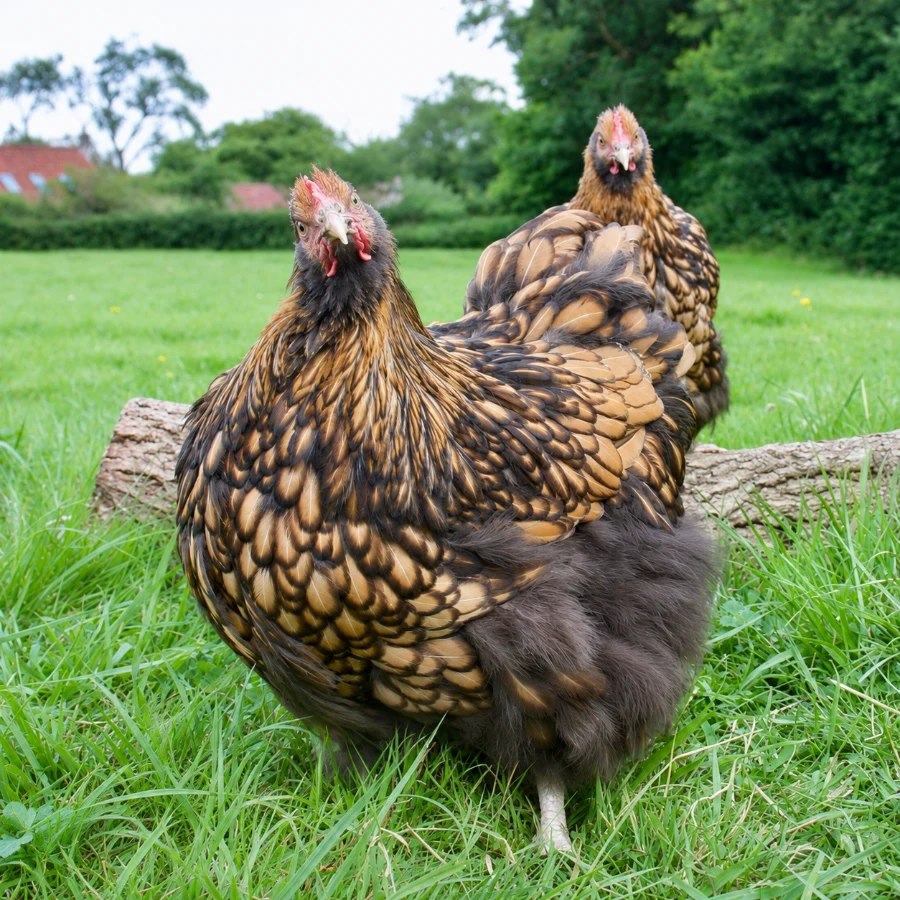
These large, gentle hens can suit new keepers with a well-prepared garden setup. Allow space for scratching, dust bathing and exploring, plus a secure run for unsupervised time.
Their limited flying ability makes low, accessible housing and a gentle ramp useful. Choose fencing for security rather than assuming a low boundary will keep every bird safe.
In Australia, provide shade, good ventilation and fresh drinking water through hot weather, alongside dry shelter during rain and wind. Keep bedding clean and dry and choose flock companions carefully.
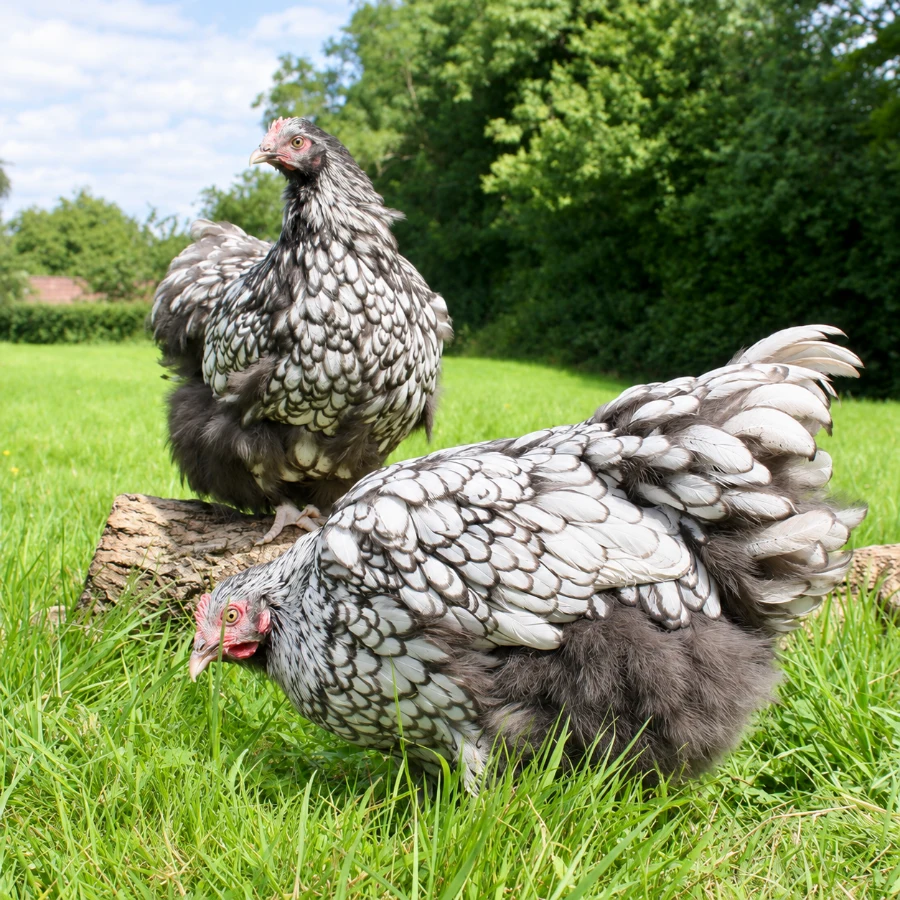
The Orpington was developed by William Cook in the late nineteenth century, taking its name from Orpington in Kent, England. It began as a dual-purpose chicken valued for eggs and meat.
Its full plumage and calm temperament later helped establish it as an exhibition and garden breed. Today Orpingtons are appreciated in many colour varieties for their appearance, character and light-brown eggs.