Good With Most
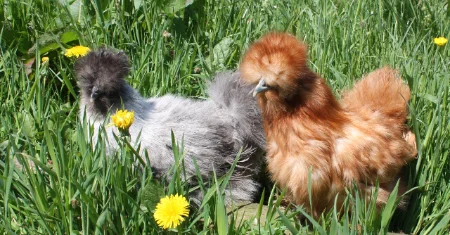
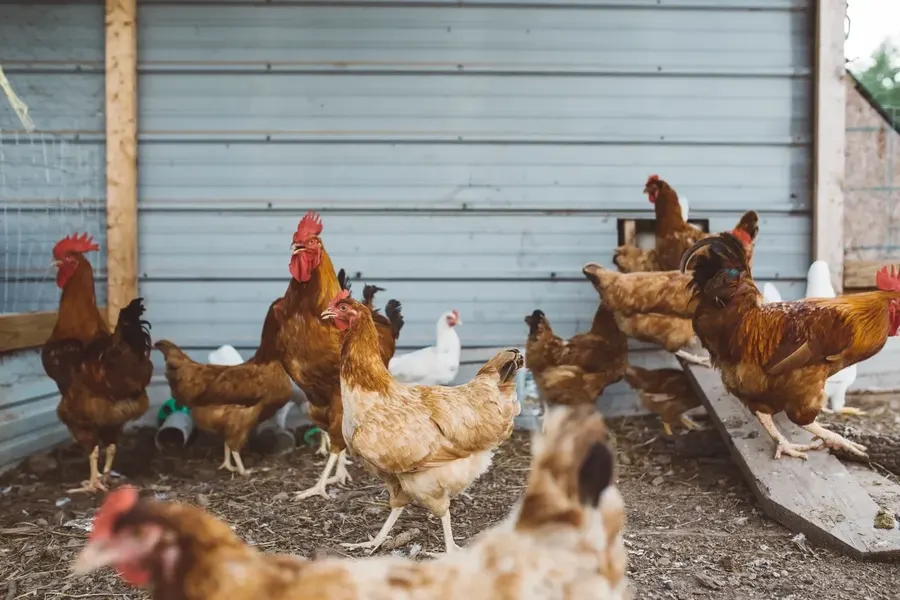
Can join a thoughtfully managed mixed flock. Introduce birds gradually, choose compatible sizes and temperaments, and watch for bullying, especially around delicate bantams.
Chicken buying guide ›
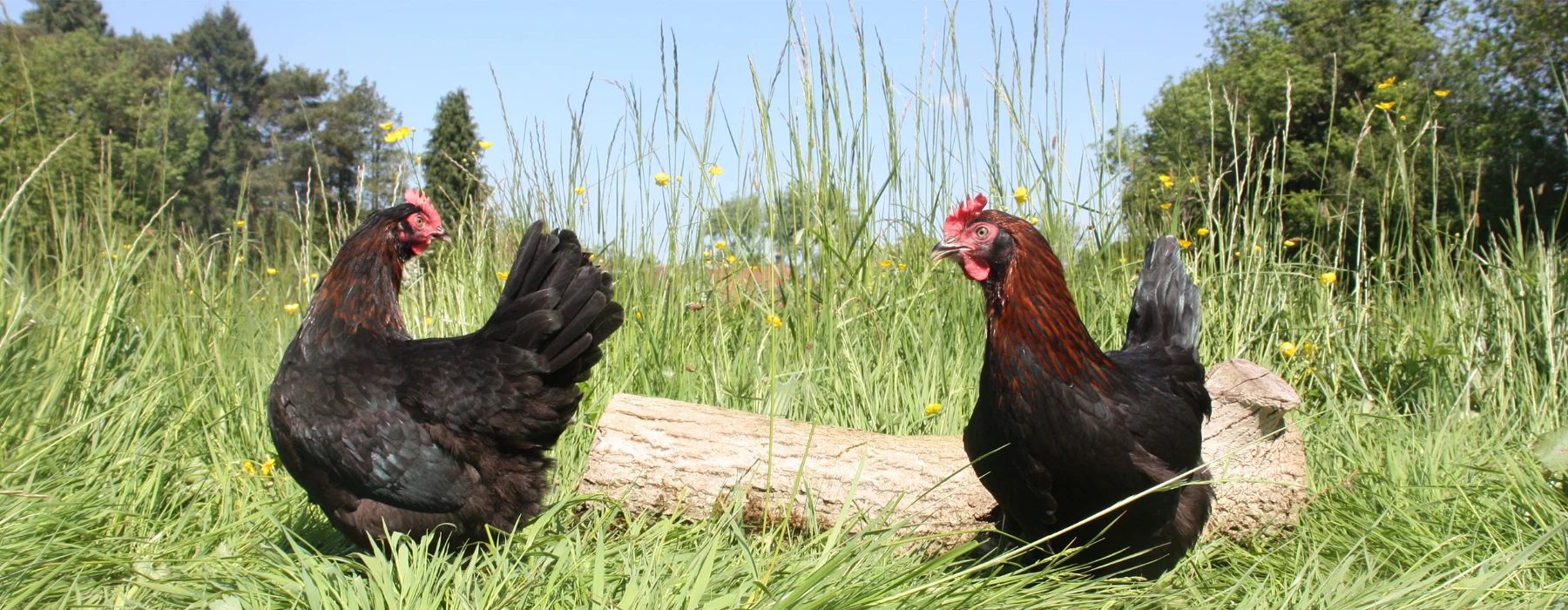
Discover beautiful French Marans, known for their rich brown eggs.
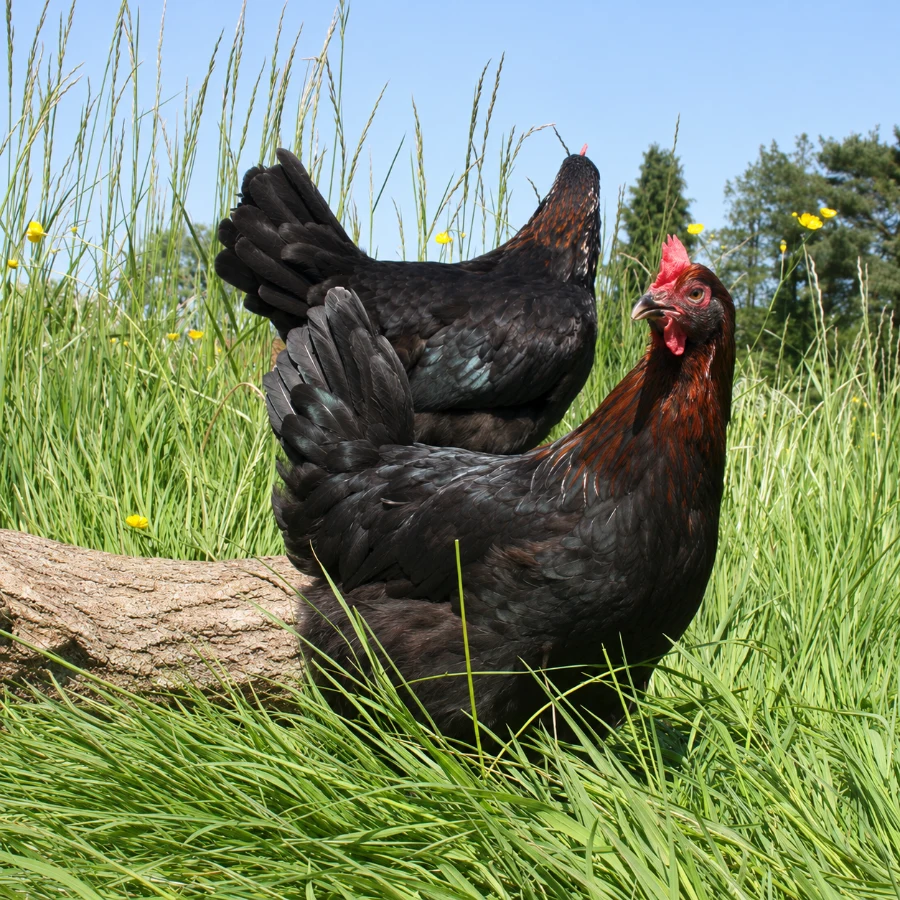
French Marans are substantial traditional chickens admired for their dark-brown eggs. Black Copper is a familiar variety, with glossy black plumage and warm copper neck feathers; French-type birds can have lightly feathered legs.
Often calm, inquisitive and friendly once settled, they enjoy exploring and foraging. Suitable space, enrichment and compatible flock company help them become engaging garden companions.
Brown shell colour varies between hens, breeding lines and stages of the laying cycle. For Australian gardens, plan secure housing, shade, ventilation and dry footing alongside safe opportunities to scratch and dust bathe.
Can join a thoughtfully managed mixed flock. Introduce birds gradually, choose compatible sizes and temperaments, and watch for bullying, especially around delicate bantams.
Chicken buying guide ›
Inquisitive hens may enjoy their keeper’s company while preferring to explore rather than be handled. Build trust patiently and respect each bird’s personality.

An approximate guide to annual laying potential. Rich brown shell shades can vary with the hen and laying cycle; egg size and output also depend on age, season, nutrition and care.
Marans are often described as calm, friendly and inquisitive. They may enjoy their keeper’s company while preferring to explore and forage rather than be held.
A familiar routine and patient interaction can help build trust. Respect each bird’s preferences and always supervise children around chickens.
Choose companions thoughtfully and introduce newcomers gradually. Provide enough space and several feeding, drinking and resting opportunities, taking particular care when mixing larger hens with delicate bantams.
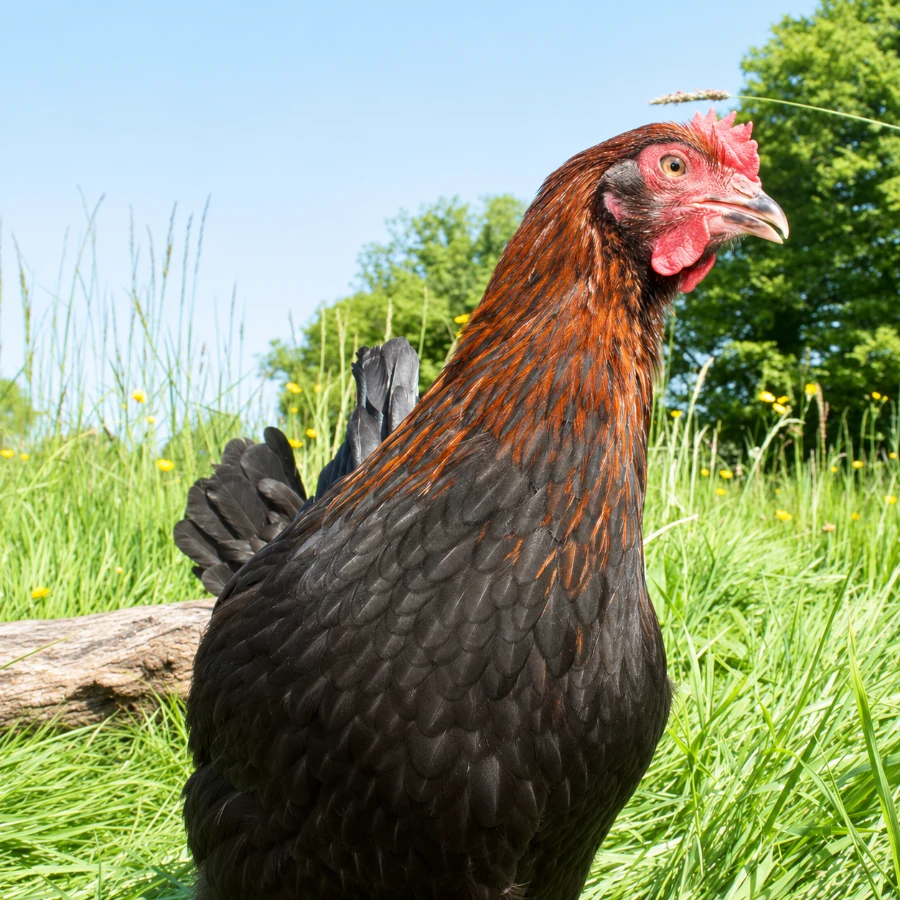
A spacious, secure run with safe opportunities to scratch, forage and dust bathe suits these active birds. Provide varied enrichment, suitable perches and safe access to the house with a ramp or ladder where needed.
For Australian gardens, prioritise shade, ventilation and plentiful fresh drinking water during hot weather, together with dry shelter from wind and rain. Feed an appropriate complete ration and keep treats from replacing balanced nutrition.
Keep bedding and footing dry, checking feathered legs for trapped mud or debris. Provide secure boundaries and a safe house at night, as Marans can fly. Check housing and fencing regularly and adapt resources to the whole flock.
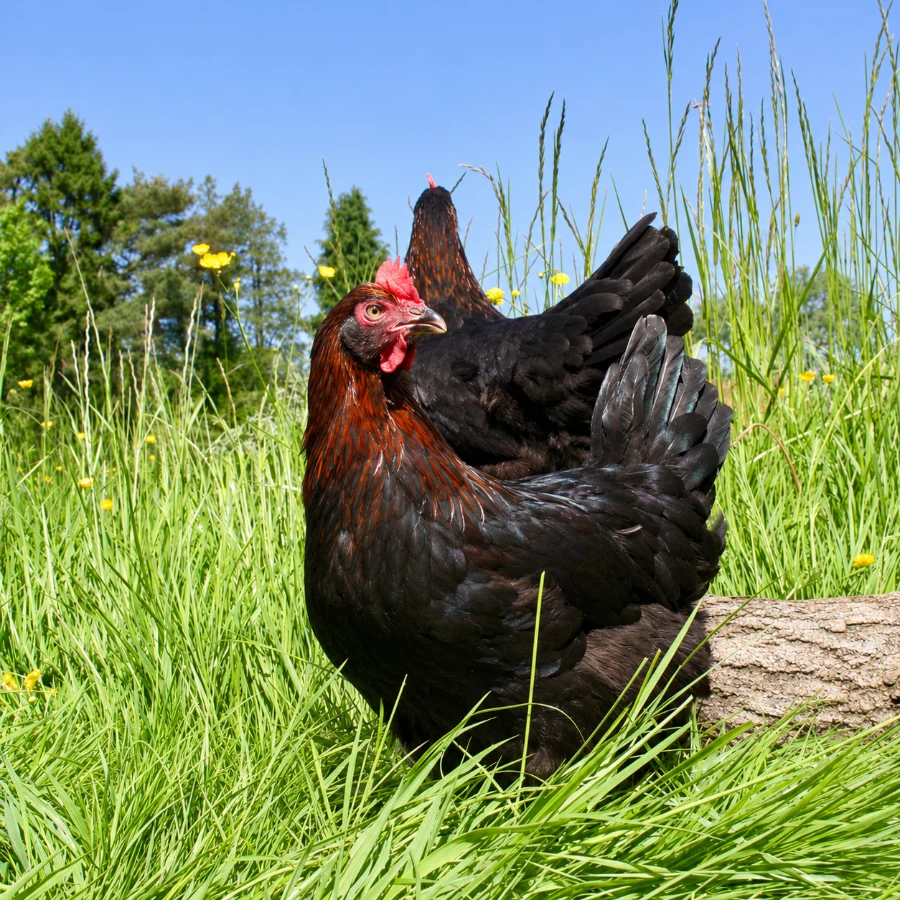
Marans take their name from the town of Marans in western France. They developed as useful farm chickens for both eggs and meat, with their rich brown eggs becoming a defining attraction.
Over time, breeders established a range of plumage varieties, including the familiar Black Copper. French-type birds are associated with light feathering on their legs, while their appearance also attracted exhibition and garden poultry keepers.
Today Marans are kept for their eggs, appearance and engaging character. Shell shade and laying patterns vary between hens and breeding lines; the annual range shown here is a guide to potential rather than a promise for every bird.