Good With Most
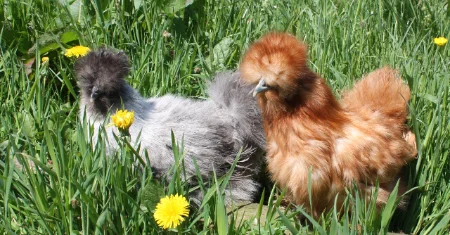
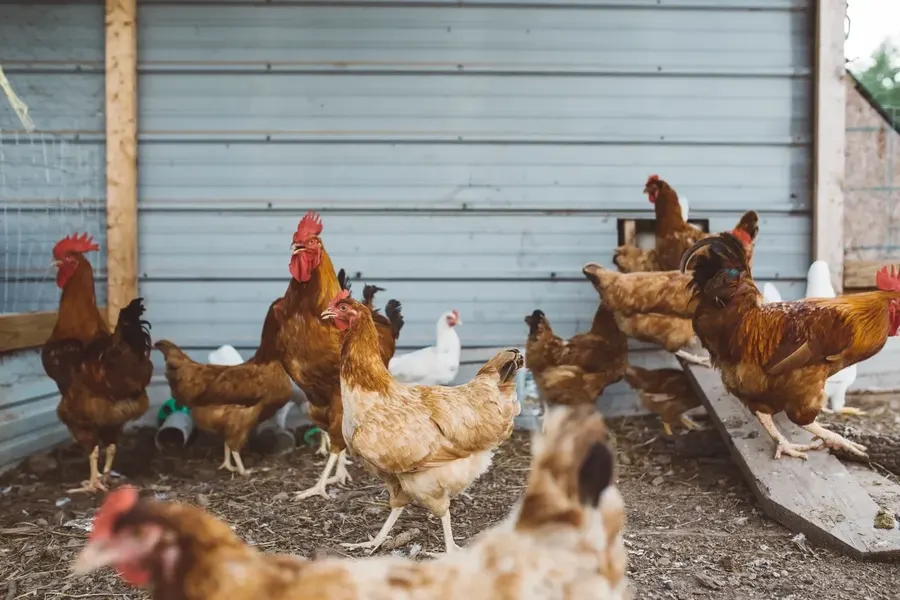
Often gentle flock members, Cochins can live with compatible breeds. Introduce birds gradually, watch for bullying and provide enough space, food and water for quieter hens.
Chicken buying guide ›

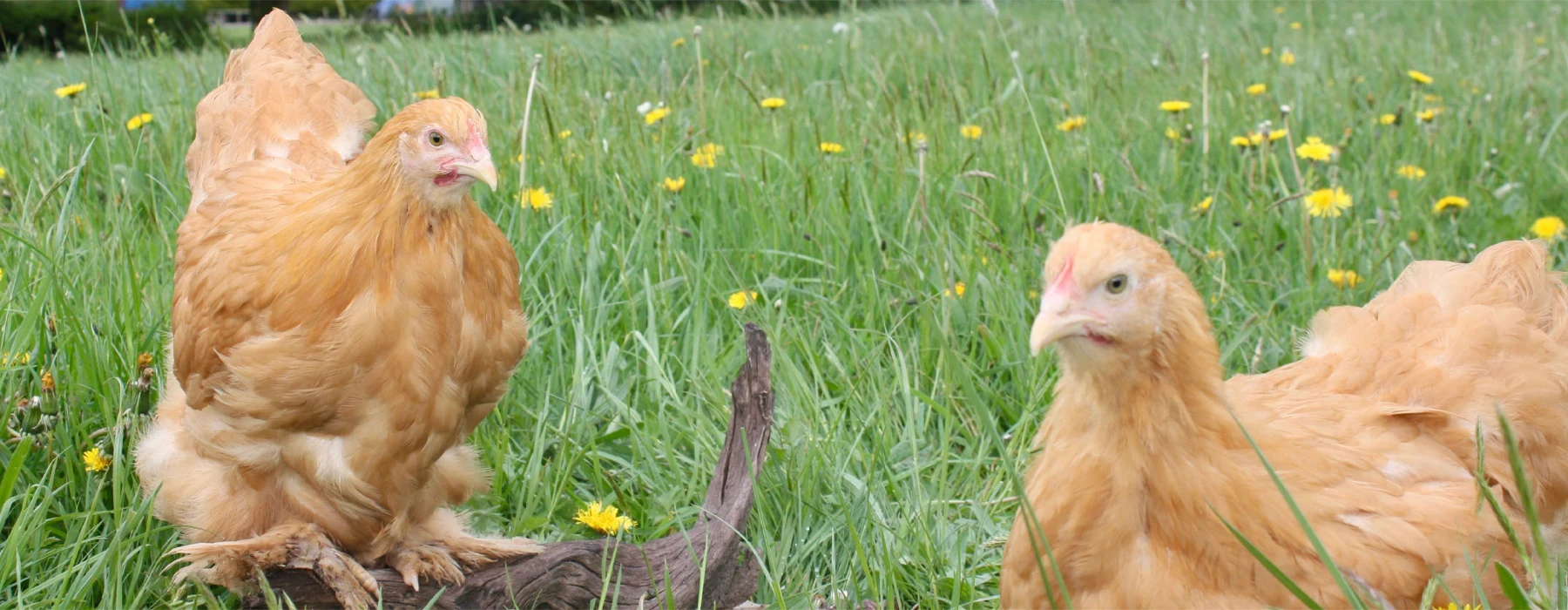
Meet the fluffy, gentle giants of the garden: Cochin chickens.
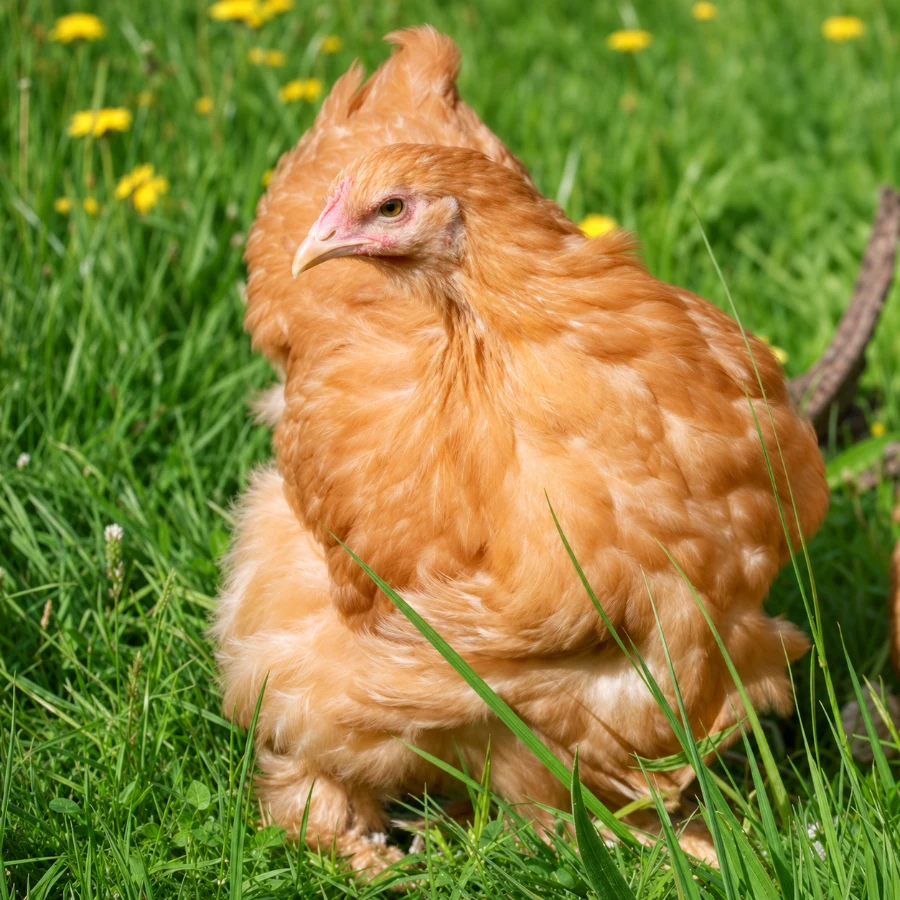
Cochins are large, rounded chickens with abundant soft plumage and fully feathered legs and feet. Their fluffy appearance and generally calm temperament make them appealing companions for a thoughtfully planned garden flock.
Often gentle and friendly once settled, they may enjoy pottering near their keeper and becoming familiar with a regular routine. Introduce flock companions carefully and allow each bird to build confidence at its own pace.
Cream to light-brown eggs are typical, with laying varying between hens and seasons. In Australian conditions, these heavily feathered birds need dependable shade, good ventilation, fresh drinking water and clean, dry footing.
Often gentle flock members, Cochins can live with compatible breeds. Introduce birds gradually, watch for bullying and provide enough space, food and water for quieter hens.
Chicken buying guide ›
Their calm reputation can make Cochins enjoyable companions. Build trust patiently, support their large bodies carefully when handling and supervise children around chickens.

An approximate guide to annual laying potential. Egg size, shell shade and output vary with age, season, nutrition and individual care; broody periods can also interrupt laying.
Cochins are often described as gentle, steady and sociable. Their rounded bodies and fluffy feathering give them a distinctive presence as they explore the garden at an unhurried pace.
With patient interaction, some birds become comfortable near their keeper and enjoy gentle attention. Respect each hen’s preferences, support her body and feet securely when lifting and supervise children during handling.
A calm reputation does not guarantee compatibility with every flock. Introduce birds gradually, monitor individual behaviour and provide several feeding and drinking points so quieter hens have easy access.
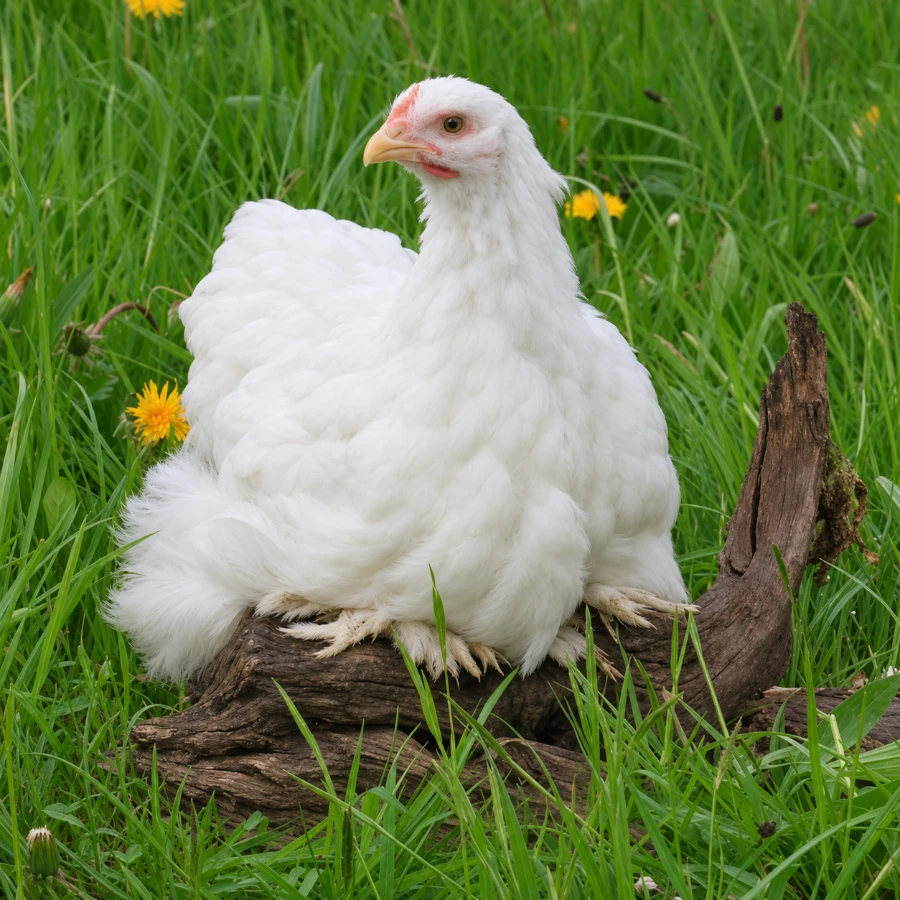
Provide generous floor space, broad doorways and a secure run suited to large birds. Use gentle ramps and low, sturdy resting places to reduce jumping, with clean, dry bedding and a predator-resistant house at night.
Feathered legs and feet need regular checks for trapped mud and debris. Maintain well-drained ground, sheltered dry areas and a suitable dust bath. Even birds that seldom fly need secure fencing and protection from predators.
In Australian gardens, prioritise ample shade, ventilation and plentiful fresh drinking water in hot weather. Offer shelter from wind and rain, feed an appropriate complete ration and check birds daily. Their heavy feathering makes heat management especially important.
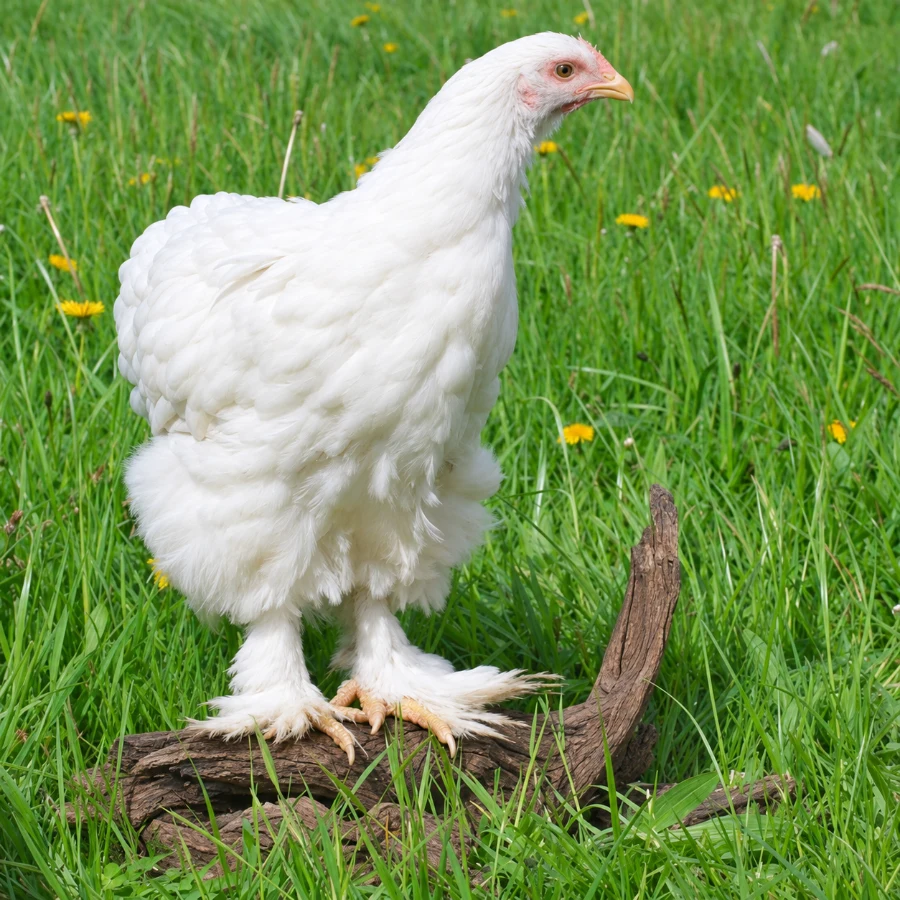
Cochins developed from large, feather-legged chickens brought from China to Europe and North America during the nineteenth century. Early imported birds were often described as Cochin-China chickens.
Their unusual size and abundant feathering helped spark widespread interest in ornamental poultry. Over generations, breeders developed the rounded outline and rich plumage associated with the modern Cochin.
Today Cochins are kept for exhibition, companionship and eggs. Their gentle reputation remains part of their appeal, while their size and feathered feet call for thoughtful housing, dry footing and suitable care in Australian conditions.